Miles of Community: How Milan's Running, Cycling and Triathlon Clubs Are Redefining Local Sport
From the Navigli to the hills beyond Monza, grassroots endurance clubs are transforming Milan's fitness culture while knitting neighbourhoods together.
From the Navigli to the hills beyond Monza, grassroots endurance clubs are transforming Milan's fitness culture while knitting neighbourhoods together.
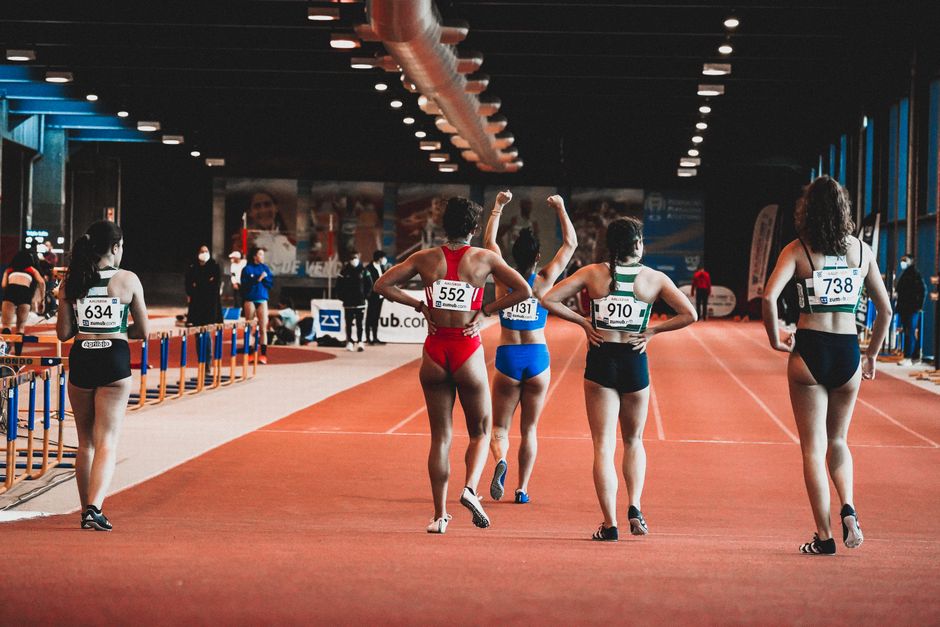
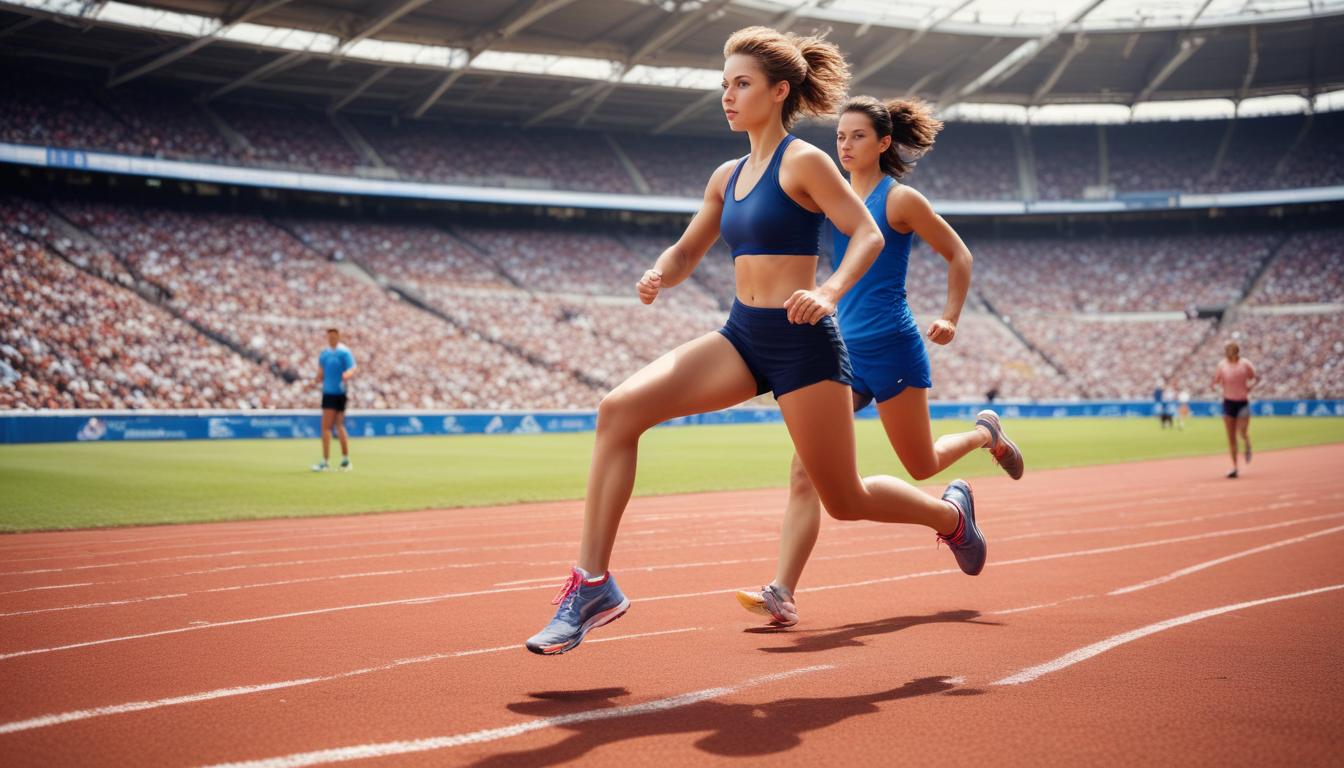
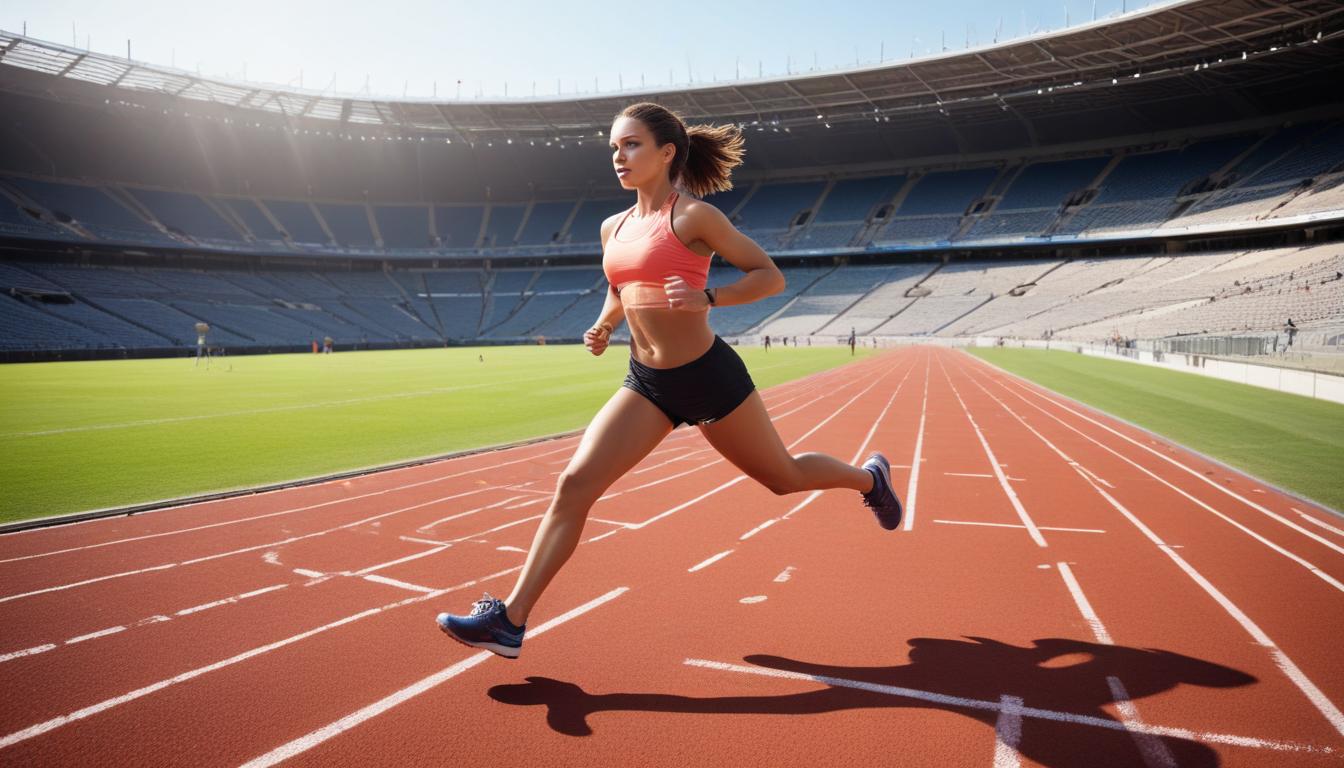
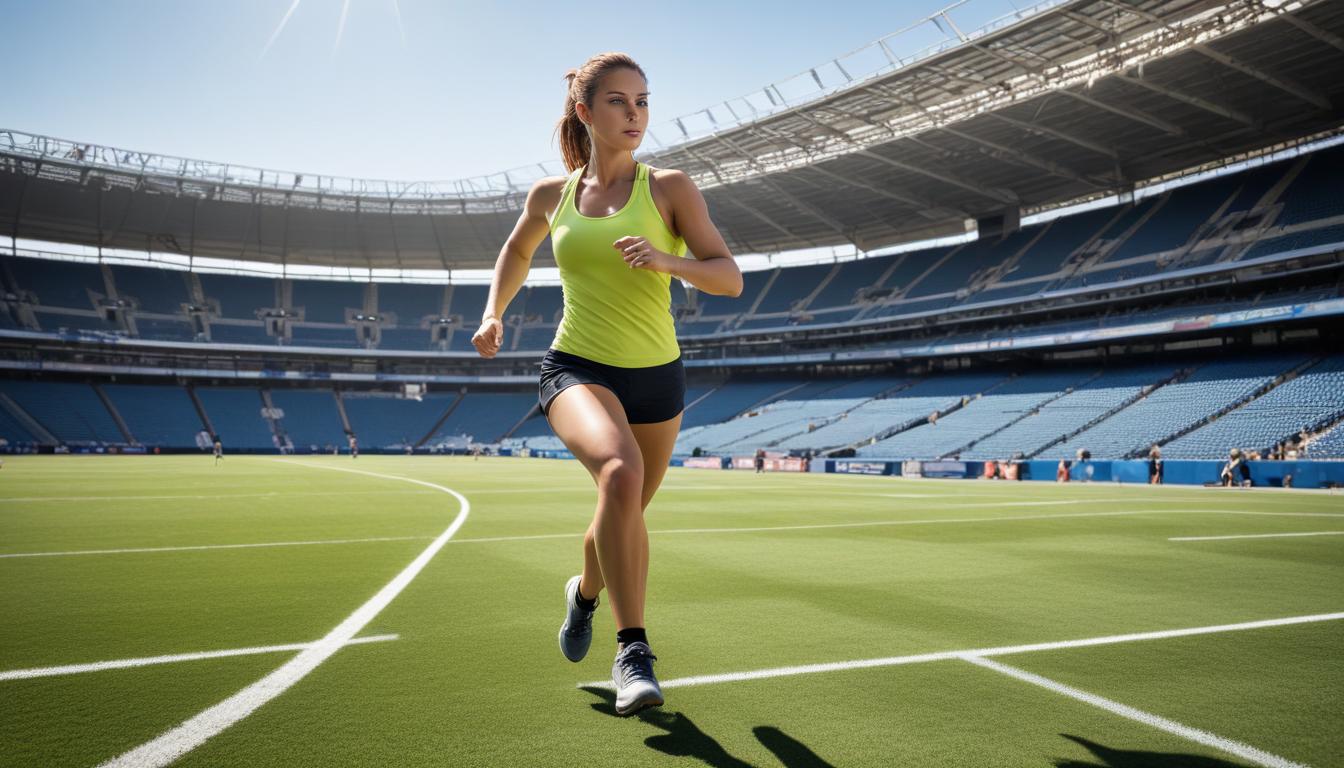
On any given Saturday morning, the pathways along the Navigli canal system pulse with hundreds of runners in club colours—a phenomenon that has accelerated dramatically over the past three years. Milan's endurance sport ecosystem, once dominated by solitary joggers and weekend cyclists, has evolved into a thriving network of organised clubs that extend far beyond fitness into genuine community-building.
The numbers tell the story. Membership across Milan's major running clubs has grown by approximately 35% since 2023, according to aggregated data from the Federazione Italiana di Atletica Leggera regional office. Clubs like those based in the Porta Romana and Lambrate neighbourhoods now boast waiting lists, with entry fees typically ranging from €80 to €150 annually—modest investments that grant access to structured training, social events, and organised events throughout the city.
"The shift isn't just about running faster or cycling longer," explains the thriving culture visible across Milan's sports landscape. What distinguishes contemporary club activity is the deliberate focus on inclusion. The Milano Cycling Collective, which meets regularly at Parco Sempione before embarking on routes toward Saronno and beyond, explicitly welcomes riders of all abilities. Monthly beginner sessions at accessible speeds have become standard, breaking the elitism that historically characterised competitive cycling.
Triathlon clubs operating from facilities near the Idroscalo—Milan's urban water sports hub—have similarly democratised endurance sport. Entry-level membership costs roughly €120 annually, and clubs organise pool sessions, running groups, and neighbourhood bike rides that make the daunting prospect of multi-sport training feel approachable. The transition from recreational jogger to triathlete, clubs report, typically takes 12-18 months through structured programming.
Beyond metrics, the community dimension resonates most powerfully. Weekend group runs in Navigli neighbourhoods have catalysed genuine friendships across age groups and professional backgrounds. Cycling clubs organise charity rides, with proceeds supporting local food banks. Triathlon clubs mentor newcomers through their first events, transforming individual achievement into collective celebration.
This growth reflects broader Milan trends: the city's post-pandemic emphasis on outdoor wellness, younger professionals seeking structured social activity, and the recognition that endurance sports provide accessible pathways to fitness without expensive gym memberships. From Brera to Bicocca, clubs have established themselves as genuine anchors in local identity.
As Milan continues positioning itself as a European wellness capital, these grassroots endurance communities—unglamorous, local, and fundamentally inclusive—represent the sport's truest strength. They prove that athletic achievement and neighbourhood cohesion aren't competing priorities, but complementary goals.
This article was compiled by AI from the sources linked above and screened before publishing. See our editorial standards.
How does this story make you feel?
Spread the word
About this article
Published by The Daily Milan
Daily brief
Free, in your inbox before 7am. Weekdays.
More in Sport