Milan's relationship with water sports has undergone a remarkable transformation in recent years, driven by strategic infrastructure development that positions the city as a serious contender in Italy's aquatic landscape. The cornerstone of this expansion is the Piscina Monumentale in the San Siro district, a 50-metre Olympic-standard pool complex that underwent significant renovation in 2023, now hosting regional and national championships. The facility's €8.5 million upgrade included enhanced diving platforms, improved spectator capacity to 1,200, and modernised training amenities that have attracted elite swimmers and diving athletes from across the country.
Beyond championship venues, Milan's neighbourhood-based infrastructure tells a more nuanced story of accessibility. The Piscina Cozzi in the Città Studi area serves over 15,000 members annually, functioning as the backbone of grassroots aquatic development. Meanwhile, the recently expanded Piscina De Coubertin near the Navigli district introduced a dedicated 25-metre pool in early 2025, reducing waiting lists and democratising access in what was previously an underserved catchment. Membership at these municipal facilities ranges from €45–75 monthly, significantly undercutting private clubs and sustaining participation across socioeconomic brackets.
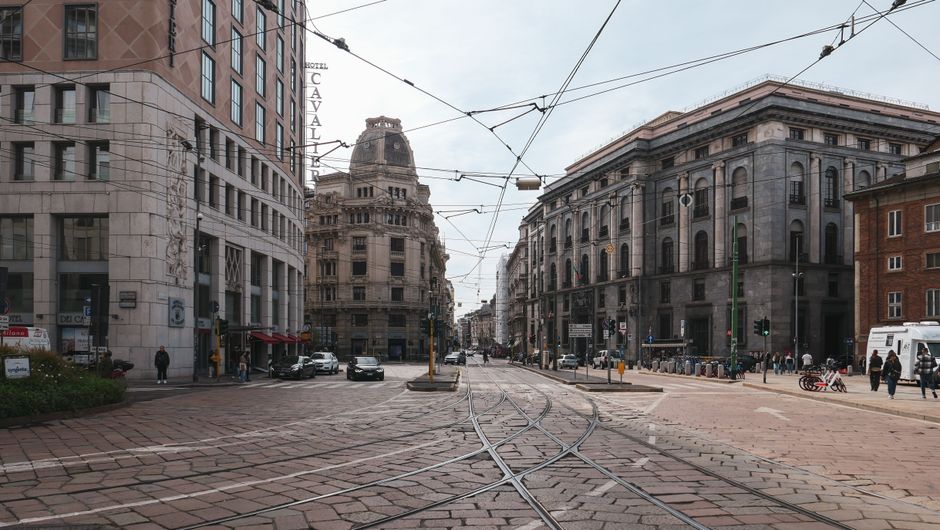
The Navigli waterway itself has become central to Milan's water sports narrative. The Associazione Navigli Sport, based along the Alzaia Naviglio Grande, manages three launching points and has facilitated a 40% increase in recreational paddling and kayaking participation since 2023. Water quality improvements mandated by Lombardy's environmental agency have made the canal increasingly viable for competitive rowing training, a development that prompted Società Canottieri Bucintoro to relocate its summer training programme to Navigli corridors in 2024.
However, challenges persist. While pool density has improved—Milan now operates eight municipal swimming facilities serving 1.2 million residents—demand during peak evening and weekend hours frequently exceeds capacity. Youth competitive swimming clubs report 18-month waiting lists for training squads. Additionally, heated outdoor pools remain limited; only three facilities in the metropolitan area offer temperature-controlled external basins, restricting year-round training options.
Looking forward, Milan's administration has allocated €12 million in the 2026–2028 capital budget toward further aquatic infrastructure, including a new teaching pool in the Lambrate neighbourhood and enhanced accessibility features across existing venues. For a city that once lagged northern European counterparts in water sports participation, Milan's infrastructure evolution reflects a conscious strategy: building not just for elite competition, but for sustainable, community-wide engagement with aquatic activity.
This article was compiled by AI from the sources linked above and screened before publishing. See our editorial standards.