Milan has quietly become one of Europe's most compelling destinations for endurance athletes, driven by substantial infrastructure investment and a growing network of purpose-built facilities that cater to serious competitors and weekend warriors alike. The transformation reflects both the city's cycling heritage and its modern ambitions as a global sporting metropolis.
The Velodromo Vigorelli in the Lambrate district remains the jewel in Milan's cycling crown. Recently upgraded to meet UCI Track Cycling World Cup standards, the historic velodrome now attracts international competition while serving the city's thriving amateur cycling community. Membership costs range from €200 to €450 annually, with evening training slots heavily booked through autumn and winter months. Meanwhile, the network of cycling paths along the Navigli canals—stretching nearly 100 kilometres through neighbourhoods like Navigli, Ticinese, and extending toward the southern suburbs—provides safe, scenic routes that have become increasingly popular since pandemic-era expansion.
Running infrastructure has expanded significantly. The Parco Sempione loop, beloved by Milan's road-running community, now competes with the Parco Forlanini facilities on the city's eastern edge, where the Fondazione Milano Cortina—established after the 2021 Olympic bid—continues supporting elite training programmes. Several dedicated running clubs operate from these hubs, with membership fees typically between €80 and €150 annually.
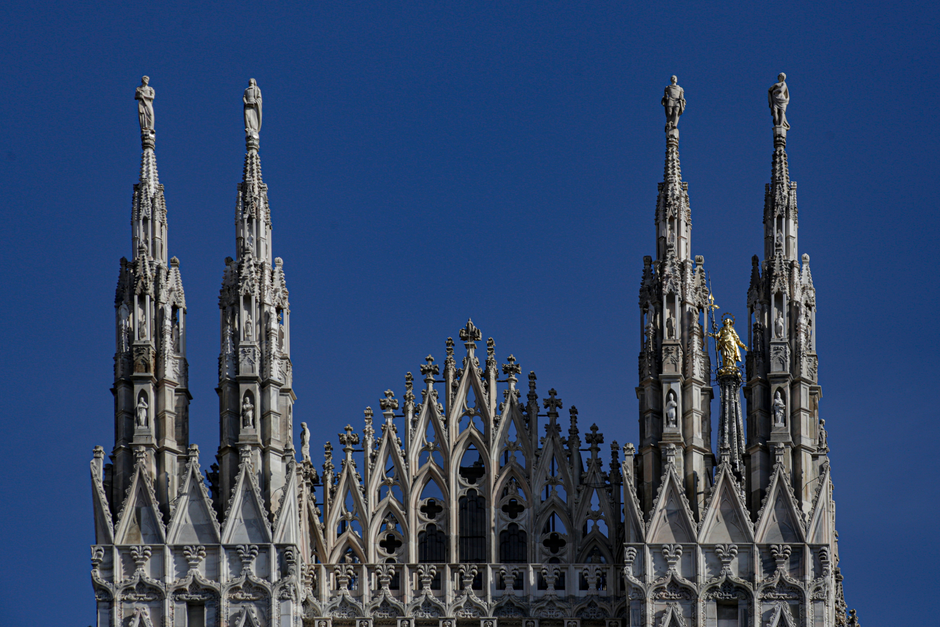
For triathletes, the newly renovated Piscina Cozzi in the Porta Venezia area offers dedicated pool facilities, while the Idroscalo—the artificial lake in the southern Segrate area, just 20 kilometres from the Duomo—provides open-water swimming and serves as a natural training ground for both cyclists and runners traversing its perimeter paths. The venue hosts several sanctioned triathlon events annually, drawing competitors from across Italy and beyond.
Infrastructure investment has been considerable. Milan's municipal sports budget allocated €12 million specifically for endurance sport facilities between 2024 and 2026, supplemented by regional Lombardy contributions and private sponsorship. This has resulted in improved lighting on key running routes, expanded changing facilities, and digital platforms connecting athletes to coaching resources and training groups.
The momentum is palpable. Running club membership across the city has grown approximately 22 per cent since 2023, while triathlon event registrations in the greater Milan area have surged similarly. As the city builds on its reputation—hosting stages of the Giro d'Italia and attracting increasingly competitive amateur events—its infrastructure investment ensures Milan remains positioned as a destination where serious endurance athletes can train, compete, and thrive.
This article was compiled by AI from the sources linked above and screened before publishing. See our editorial standards.