Milan's Amateur Sports Scene Thrives on Aging but Cherished Public Facilities
From neighbourhood pitches in Navigli to converted warehouses in Isola, grassroots clubs are breathing new life into the city's creaking infrastructure.
From neighbourhood pitches in Navigli to converted warehouses in Isola, grassroots clubs are breathing new life into the city's creaking infrastructure.
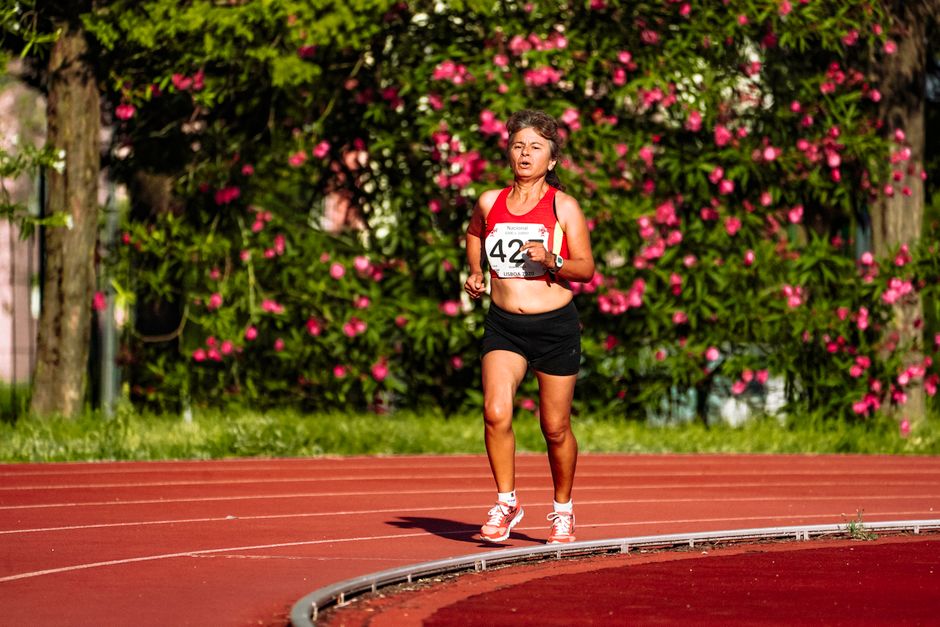
Walk along the Navigli canals on any Tuesday evening and you'll find dozens of amateur footballers gathering at the Parco Solari complex, where weathered goalposts and patchy grass have hosted neighbourhood leagues for three decades. It's a scene replicated across Milan's sprawling districts—a testament to how the city's recreational sports ecosystem survives not through glitzy new stadiums, but through stubborn reliance on modest, often-overlooked venues that serve thousands of weekend warriors and evening enthusiasts.
The infrastructure supporting Milan's amateur sporting culture reveals a city in transition. Public facilities like the Giuriati athletic track in Città Studi, built in the 1960s, remain cornerstones of local competition, hosting everything from amateur track events to futsal tournaments. Yet maintenance budgets remain tight. The Piscina Argelati on Viale Cassala continues drawing lap swimmers and water polo clubs despite its dated changing facilities, while the sprawling Bocconi sports complex in the southwest serves dozens of university and community teams on pitches that see near-constant use.
Private clubs have filled crucial gaps. Across Porta Romana and Lambrate, former industrial spaces have been converted into modern training facilities. The transformation of warehouse districts has sparked investment in climbing gyms, CrossFit boxes, and basketball courts that didn't exist five years ago. Monthly memberships typically range from €40-80, making them accessible to working professionals seeking structured training outside official league frameworks.
Yet disparities remain stark. While affluent neighbourhoods like Brera and Magenta boast well-maintained tennis courts and modern gyms, working-class areas like Giambellino and Quarto Oggiaro struggle with underfunded municipal pitches. The city council's recent €2.3 million investment in Parco Forlanini represents one of few coordinated efforts to upgrade aging infrastructure, though advocates argue it falls far short of what's needed across the city's 130-plus amateur clubs.
The real strength lies in community persistence. Volunteer-run associations manage pitches with minimal subsidy, organising everything from Sunday league football to amateur volleyball tournaments. Organisations like ASA Milano coordinate fixtures across the city's scattered venues, maintaining fixtures despite infrastructure challenges that would daunt more centrally-organised operations.
As Milan plans for 2030 Olympics expansion, questions linger about whether new investment will reach amateur infrastructure or concentrate on elite facilities. For now, grassroots sport thrives in the gaps—on concrete courts and muddy pitches that older generations of Milanesi will immediately recognise.
This article was compiled by AI from the sources linked above and screened before publishing. See our editorial standards.
How does this story make you feel?
Spread the word
About this article
Published by The Daily Milan
Daily brief
Free, in your inbox before 7am. Weekdays.
More in Sport