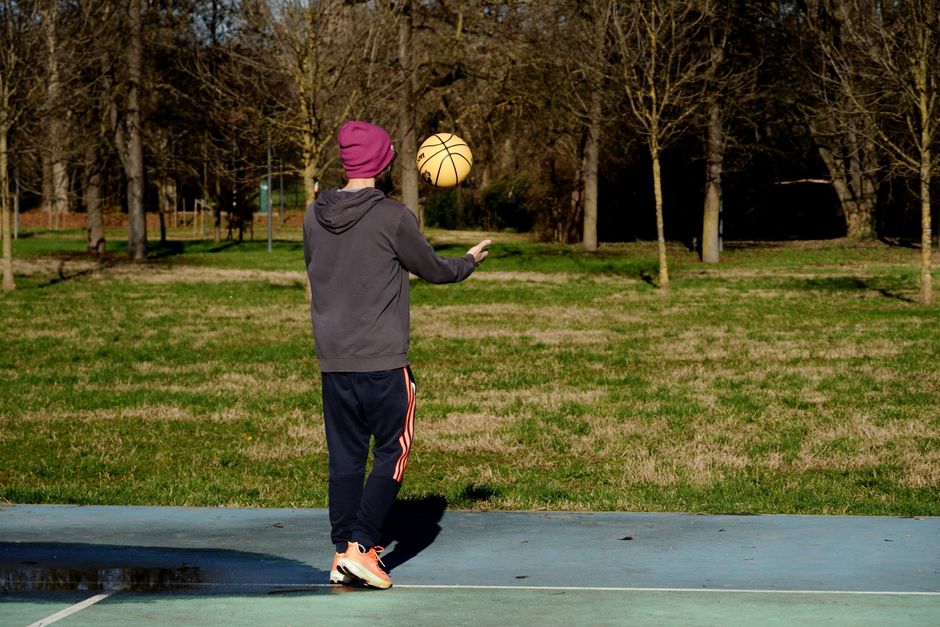
Walk through the Navigli district on any Tuesday evening, and you'll find something far removed from the gleaming San Siro. On a worn synthetic pitch wedged between Via Casale and the canal's edge, forty teenagers are executing passing drills under the patient guidance of volunteers who've committed their evenings to something with no guarantee of glory or reward. This is the machinery behind Milan's grassroots football revolution—a movement that's quietly reshaping the city's relationship with the sport.
The numbers tell a compelling story. According to the Federazione Italiana Giuoco Calcio's regional office, participation in community-level football in Milan has surged 34% since 2022, with over 28,000 young players now registered in grassroots programmes across the metropolitan area. Yet these figures mask a deeper transformation: the democratisation of football in a city traditionally defined by its elite clubs.
Organisations like ASD Gaggiano, which operates seventeen pitches across the city's outer neighbourhoods, and the Associazione Calcio Ortica in the industrial east, have become more than sporting venues. They're community anchors. ASD Gaggiano's director estimates that 60% of their players come from economically disadvantaged backgrounds. Annual registration fees start at €180 for youth programmes—significantly cheaper than private academies charging €800-1,200—making elite training accessible to families who might otherwise be excluded.
The infrastructure investment is tangible. Over the past three years, Milan's municipal administration has allocated €4.2 million to upgrading forty-three neighbourhood pitches in zones from Quarto Oggiaro to Gratosoglio. The Parco della Martesana now hosts five full-sized fields where, on weekends, five-a-side tournaments draw hundreds of spectators from surrounding communities.
What distinguishes this movement isn't nostalgia for simpler times—it's purpose. Volunteer coaches, many former semi-professional players, aren't chasing billionaires' ambitions. They're teaching discipline, fostering friendships across ethnic and socioeconomic divides, and occasionally spotting genuine talent. Local clubs have begun establishing formal links with Serie C and Primavera academies, creating legitimate pathways that bypass the private system's gatekeeping.
For Milan's diaspora communities—Nigerian, Moroccan, Egyptian populations who've swelled the city's suburbs—grassroots football represents cultural integration and economic opportunity wrapped in one package.
As Inter and Milan jostle for European silverware, the real story unfolding across the city's neighbourhoods suggests something more enduring: the rebuilding of football as a commons, where playing well matters more than playing rich.
This article was compiled by AI from the sources linked above and screened before publishing. See our editorial standards.