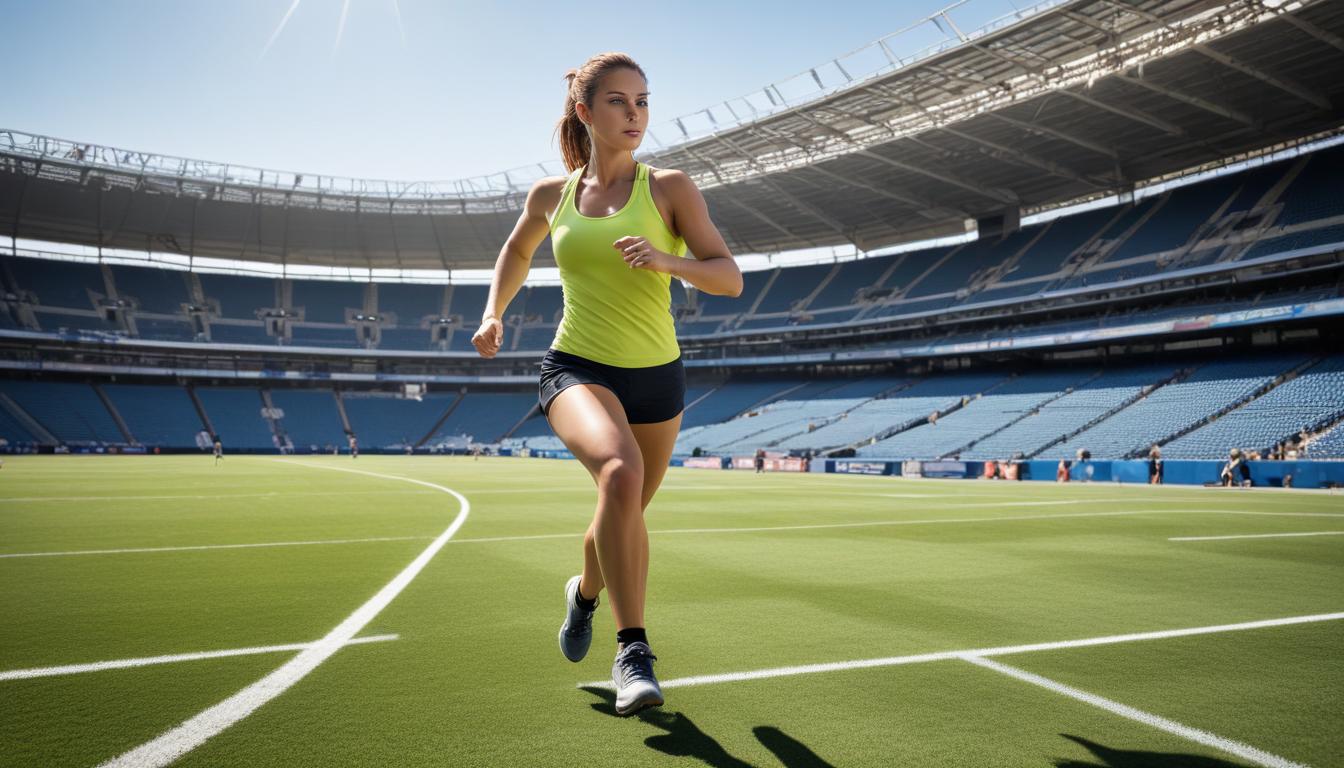
The numbers tell a compelling story about Milan in 2026. Grassroots sports participation among under-18s has climbed 23% in the past three years, according to data compiled by the Lombardy Regional Sports Council and analysed by the city's youth development board. In neighbourhoods from Navigli to Niguarda, from the tight streets of Brera to the expanding suburbs of Rho, young Milanesi are signing up for organised clubs at rates not seen since the early 2000s.
What's driving this shift? The evidence points to a fundamental reshaping of how families in Milan view fitness culture. Where previous generations saw sport as an elite pursuit or a pathway to professional competition, today's parents increasingly view structured grassroots activity as essential infrastructure for their children's wellbeing. Youth membership at ASD clubs across the city now exceeds 47,000, with football and basketball accounting for roughly 60% of registrations, but volleyball, martial arts, and swimming showing particularly sharp growth curves among girls aged 10-14.
The data becomes even more interesting when mapped against Milan's geography. The highest concentration of new youth club memberships has emerged not in traditionally wealthy areas, but in working-class neighbourhoods like Quarto Oggiaro and Affori, where municipal investment in leisure facilities has coincided with aggressive community outreach. The city's 2024 initiative to convert underused spaces—including redundant industrial sites near Porta Romana—into multi-sport hubs appears to have paid tangible dividends.
Price points matter here too. Average annual membership fees across Milan's grassroots sector hover between €180 and €420, depending on sport and facility quality. That accessibility has broadened the demographic reach considerably. Participation among children from lower-income households has roughly doubled since 2023, suggesting that systematic barriers to entry are finally eroding.
The gender breakdown carries particular weight. Girls' participation in organised youth sport has grown 31% over three years—outpacing boys by nearly 8 percentage points. Female football clubs have expanded roster sizes, and female-only training cohorts at swimming facilities in Navigli and San Siro are consistently oversubscribed.
What this participation data ultimately reveals is not just a fitness trend, but a fundamental cultural shift in how Milan's communities understand youth development. Sport is no longer peripheral to childhood in this city—it's becoming central. As Milan positions itself for continued growth, these grassroots numbers suggest our young people are preparing themselves for healthier, more connected futures.
This article was compiled by AI from the sources linked above and screened before publishing. See our editorial standards.