Milan's transformation into a European fitness powerhouse isn't accidental. Over the past five years, the city has invested heavily in training facilities that rival those found in London and Berlin, fundamentally reshaping how locals approach sport and wellness. The infrastructure boom reflects broader trends in Italy's major cities, where fitness culture has shifted from niche gyms to integrated wellness ecosystems.
The concentration of premium facilities in Porta Romana and around Corso Magenta tells the story. High-end clubs now feature cryotherapy chambers, biomechanics labs, and sport psychology consultation—amenities once exclusive to professional athletes. Monthly memberships at these facilities typically range from €80 to €150, positioning them within reach of Milan's professional class. Meanwhile, municipal gyms operated by Milano Sportiva, distributed across neighbourhoods like Navigli, Lambrate, and Bicocca, offer comparable equipment at €35-50 monthly, democratising access significantly.
The expansion has been remarkable. In 2020, Milan housed approximately 280 registered fitness facilities. By 2026, that figure exceeds 420, according to data from AltaMotricità, the regional sports authority. This isn't simply duplication—newer venues specialise in niche disciplines: boutique CrossFit boxes cluster around Bovisa and Isola, while Olympic lifting facilities have emerged in Greco and Precotto, serving athletes training for national championships.
Brera's recent renovation of its municipal sports complex exemplifies strategic planning. The €4.2 million upgrade included new swimming pools, athletics tracks, and functional training areas, serving 12,000 monthly users. Similar investment has touched the Parco Forlanini facilities, making south Milan competitive with traditional north-side strongholds.
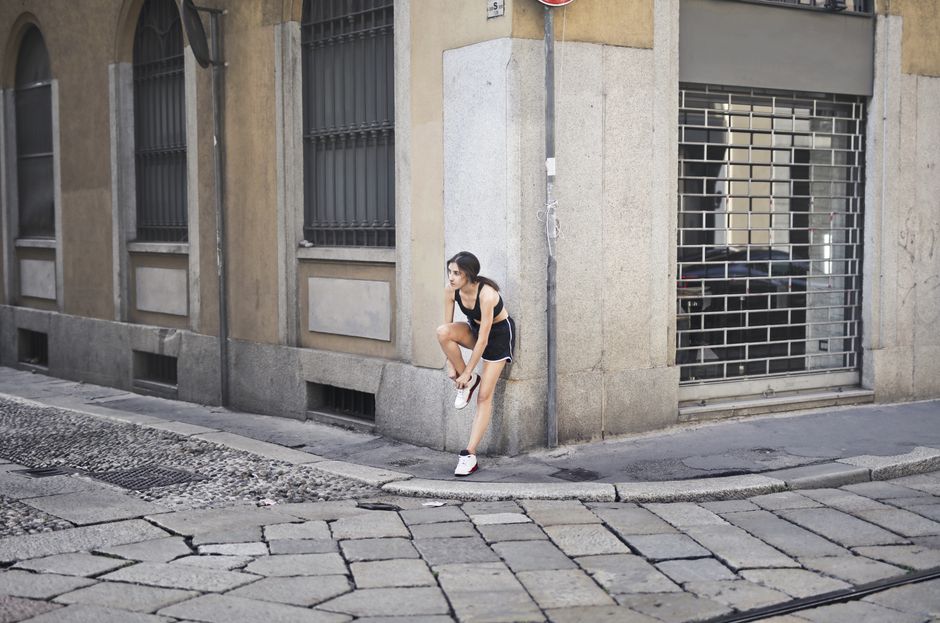
Infrastructure improvements extend beyond private facilities. The completion of the S4 cycling path connecting Centrale to Garibaldi reflects city planning that prioritises active transport and outdoor training. Running clubs now operate structured training sessions along established routes, leveraging improved street lighting and safety measures.
Challenges remain. Membership affordability varies dramatically across postcodes, with eastern neighbourhoods like Padova and Ortica still underserved relative to affluent western zones. Waitlists at popular facilities occasionally stretch three months. Yet the trajectory is undeniable: Milan's fitness infrastructure now competes internationally, attracting athletes, trainers, and wellness entrepreneurs who recognise the city's commitment to sport beyond the football pitch.
As gyms multiply and specialise, Milan isn't simply following global fitness trends—it's actively shaping them, one squat rack and swimming pool at a time.
This article was compiled by AI from the sources linked above and screened before publishing. See our editorial standards.