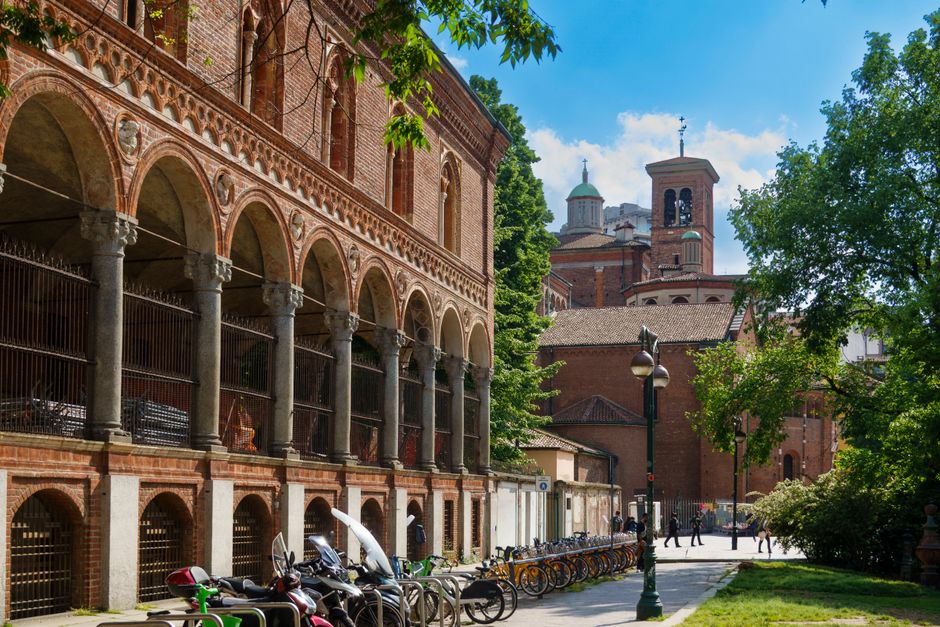
Walk along the Navigli on a Tuesday evening and you'll spot them: clusters of cyclists in coloured jerseys heading toward the Parco Sempione, futsal players crossing the Ponte delle Gabelle toward neighbourhood courts, runners gathering outside the Centrale station. Milan's amateur sports scene is thriving in ways that surprise even those who grew up here.
Data from the Federazione Italiana Sport Dilettantistici reveals that recreational club membership across the city has grown by 28% since 2023, with particular strength in cycling collectives, futsal leagues, and running clubs. The shift represents far more than fitness trends—it reflects a fundamental reorientation toward community building in a metropolis often characterised by isolation and transience.
In Isola, a neighbourhood long defined by rapid gentrification, the Isola Cycling Club has become an unexpected gathering point. Operating from a modest base near the Garibaldi station, the club now boasts over 400 members ranging from competitive cyclists to casual weekend riders. Members pay approximately €80 annually for access to organised rides, maintenance workshops, and social events. "We started five years ago with twelve people," explains the club's coordinator. "Now we're part of the fabric here."
Similar stories echo across the city. In Niguarda, the San Carlo Futsal League runs four divisions with 34 teams competing weekly on courts maintained by volunteers. Registration costs €450 per team per season—modest, yet sufficient to sustain facilities and organisation. The league has become a genuine melting point for residents who might otherwise never interact across generational and professional lines.
The phenomenon extends to running culture, where groups like the Forlanini Runners Association have grown from 60 members to nearly 300 in eighteen months. Meeting three times weekly at the Parco Forlanini entrance, the club organises everything from competitive training sessions to beginner-friendly neighbourhood jogs, with membership at €60 annually.
What distinguishes these clubs from commercial gyms or privatised fitness spaces is their democratic accessibility and social function. They operate on tight budgets, rely on volunteer leadership, and explicitly prioritise inclusion over profit. In a city where rent spirals and corporate consolidation can feel relentless, these grassroots organisations represent countercurrent force—places where identity genuinely matters more than income.
As Milan continues evolving as a global centre, its amateur sports clubs remind us that community thrives not through grand infrastructure alone, but through the humble persistence of neighbours gathering regularly, sharing purpose, and building belonging together.
This article was compiled by AI from the sources linked above and screened before publishing. See our editorial standards.