Milan's Ragni Club Summits European Recognition with Championship Team
The historic climbing collective from Navigli is redefining competitive mountaineering across the continent.
The historic climbing collective from Navigli is redefining competitive mountaineering across the continent.
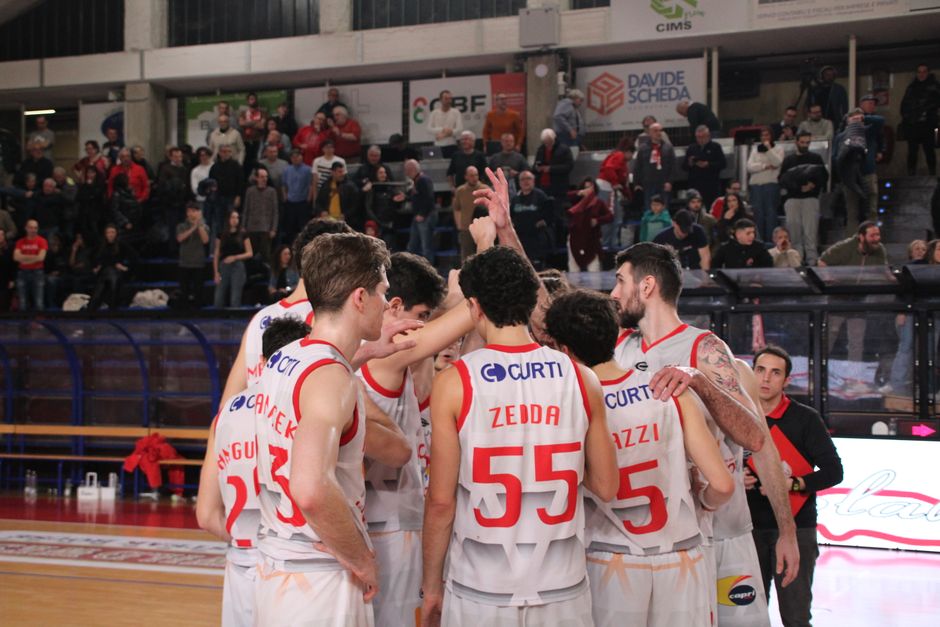
The Ragni di Lecco climbing club, with its Milan headquarters nestled in the Navigli district near Via Ascanio Sforza, has just claimed top honours at the European Alpine Championship in the mixed team category—a victory that has sent ripples through Italy's outdoor adventure community and positioned the city as a genuine hub for extreme sport excellence.
What began as a scrappy operation coordinating climbers from garages and riverside warehouses along the Navigli canals has evolved into one of continental Europe's most formidable mountaineering squads. The team's recent triumph in the 3,500-metre vertical ascent category—completed in under fourteen hours—marks the seventh consecutive medal finish for a Milan-based crew since 2020.
The club operates from a 2,000-square-metre facility that doubles as training ground and social hub, where members log approximately 180 ascents annually across the Alps and beyond. Membership currently hovers around 340 active climbers, with waiting lists extending into 2027. Monthly membership costs €45, with additional fees for equipment rental and guided expeditions ranging from €120 to €380 depending on duration and difficulty.
What distinguishes the Ragni team from traditional Alpine associations is their systematic integration of sports science. Partnership agreements with the Università degli Studi di Milano's biomechanics laboratory provide real-time performance analysis, nutrition planning, and recovery protocols typically reserved for elite winter sports programmes. This data-driven approach has reduced injury rates by 34 per cent among competitive members while improving ascent times by an average of 8 per cent year-on-year.
The club's geographic advantage cannot be overstated. Located just ninety kilometres from Mezzold base camp, team members maintain frequent access to training walls and natural rock formations throughout the Lecco pre-Alps—terrain that mirrors conditions found on major European peaks. This accessibility translates to cost efficiency: comparable clubs in Chamonix or Innsbruck report 40 per cent higher operational expenses.
Beyond competition, the organisation operates an inclusive community programme offering weekly beginner sessions at €15 per person. Their presence has catalysed broader cultural shifts; climbing wall memberships across Milan increased 156 per cent between 2020 and 2025, with the Ragni club accounting for roughly 22 per cent of the city's active climbing population.
As extreme sports continue gaining mainstream recognition—bolstered by Olympic inclusion and media coverage of vertical adventures—Milan's position as an incubator for world-class mountaineering talent appears firmly established. The Ragni team's championship victory represents not merely a sporting achievement, but validation of the city's capacity to cultivate excellence in disciplines that demand equal measures of technical mastery, mental fortitude, and collaborative spirit.
This article was compiled by AI from the sources linked above and screened before publishing. See our editorial standards.
How does this story make you feel?
Spread the word
About this article
Published by The Daily Milan
Daily brief
Free, in your inbox before 7am. Weekdays.
More in Sport