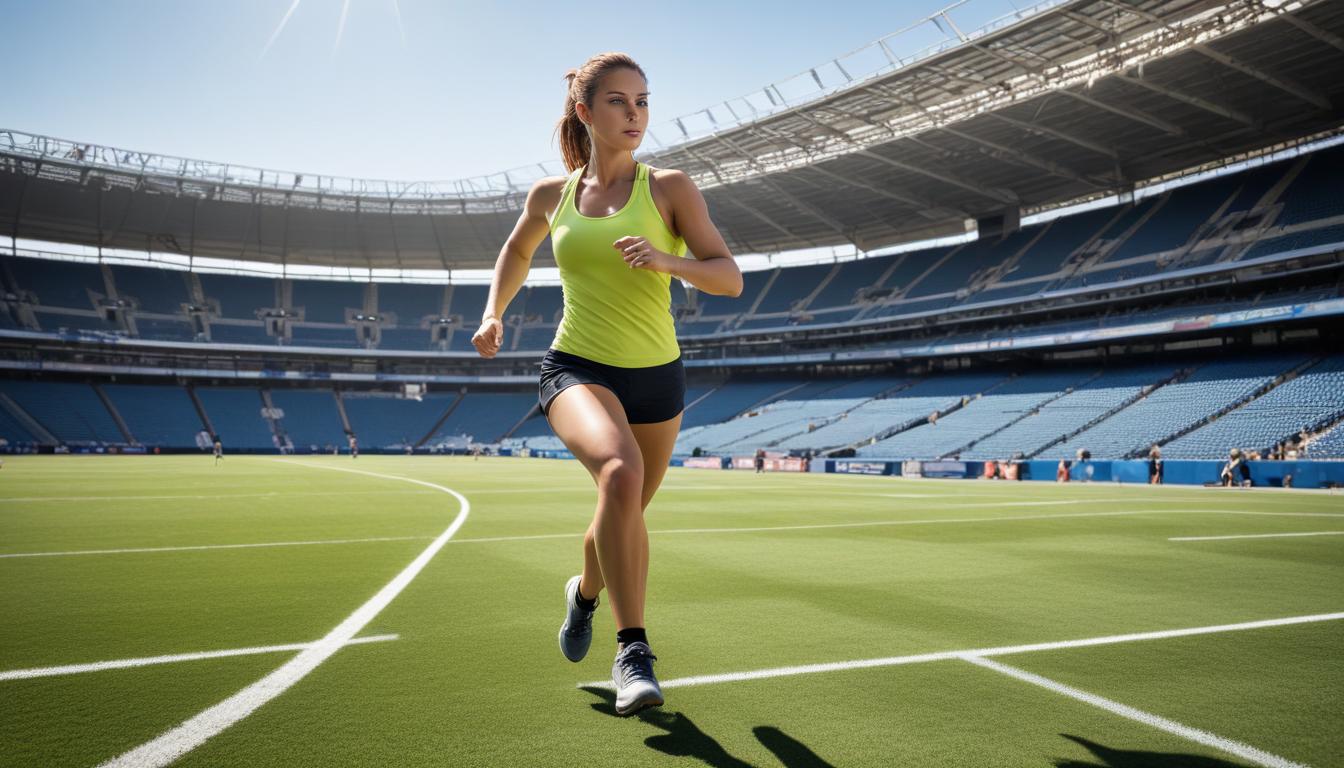
Milan's fitness landscape has undergone a dramatic transformation over the past three years, with investments in gym infrastructure and training facilities reaching unprecedented levels across the city's prime neighbourhoods. The shift reflects both a cultural appetite for wellness among Milan's affluent demographic and a broader European trend toward premium fitness experiences.
The concentration of high-end facilities tells a revealing story about Milan's sports priorities. In the Brera district, luxury wellness centres offering personalized training programmes, cryotherapy chambers, and nutritional coaching have proliferated, with monthly memberships ranging from €80 to €250. Meanwhile, the Navigli neighbourhood—traditionally Milan's bohemian quarter—has emerged as an unexpected fitness hub, hosting specialized CrossFit boxes, climbing gyms, and boutique training studios within converted industrial warehouses along the canal network.
Data from Milano Sport, the city's sports administration body, indicates that gym memberships across all categories have grown by 28 per cent since 2023, with particular expansion in the €120-plus monthly bracket. This premium segment now accounts for roughly 35 per cent of Milan's estimated 185,000 active gym members. Public facilities, including municipal pools and outdoor training zones in Parco Sempione and Parco Formentano, continue serving recreational users, though budget constraints have limited recent infrastructure development in these sectors.
The infrastructure investment extends beyond traditional gymnasiums. Specialized facilities have colonized emerging fitness categories: functional training studios cluster around Porta Romana, while the thriving running community benefits from dedicated athletics tracks at the Velodromo Vigorelli in San Siro and the recently renovated outdoor circuits at Parco Nord. Swimming facilities remain concentrated at the Piscina Cozzi in the Farini district and the Saini pool complex, though both operate at near-capacity during peak hours.
What distinguishes Milan's current fitness boom is the infrastructure's integration with lifestyle services. Contemporary facilities rarely operate as standalone gyms; instead, they function as wellness ecosystems encompassing recovery lounges, juice bars, meditation spaces, and digital training platforms. This mirrors patterns observed in London and Barcelona, positioning Milan within Europe's premium fitness conversation.
Yet infrastructure expansion has not been uniformly distributed. Outer neighbourhoods including Quarto Oggiaro and Comasina lag significantly behind central and southern districts in facility density, raising questions about equitable access to premium training infrastructure across Milan's diverse population.
This article was compiled by AI from the sources linked above and screened before publishing. See our editorial standards.