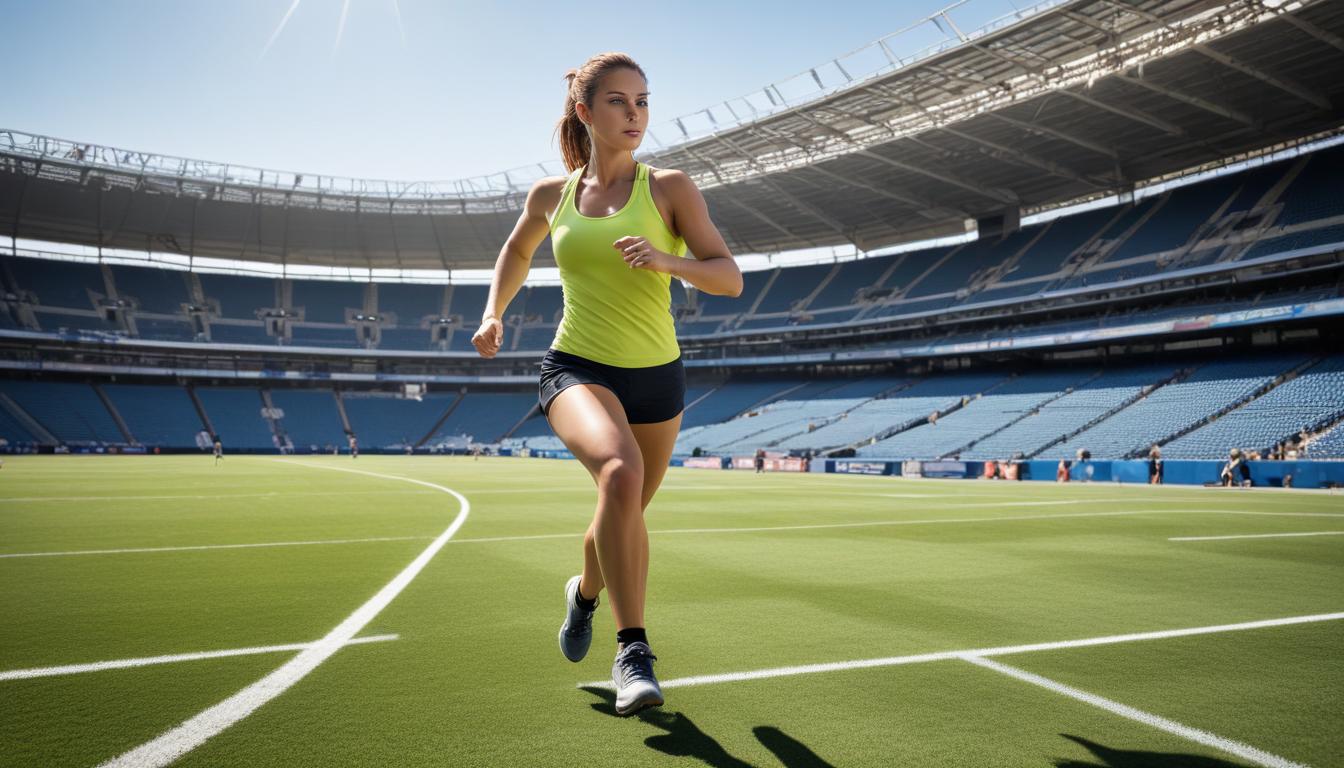
From Parco Sempione to Glory: The Grassroots Story Behind Milan's Community Sport Revolution
Amateur leagues across the city are proving that elite football belongs to the few, but the spirit of sport belongs to everyone.
Amateur leagues across the city are proving that elite football belongs to the few, but the spirit of sport belongs to everyone.
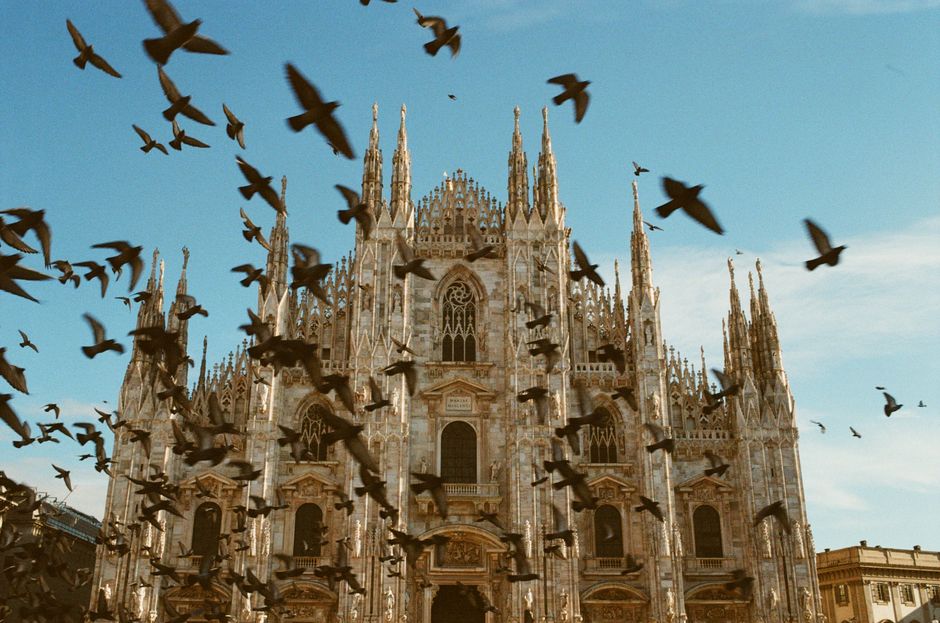
Every Tuesday and Thursday evening, the synthetic pitches around Parco Sempione transform into a patchwork of ambition. Here, in the shadow of the Castello tower, dozens of recreational football leagues operate with the precision of professional academies and the warmth of neighbourhood gathering spaces. This is where Milan's true sporting heartbeat pulses—not in the San Siro, but across the city's grassroots ecosystem.
The numbers tell a compelling story. Milan's amateur sports federation coordinates over 180 recreational clubs across all districts, fielding approximately 5,000 active players in competitive league play. Monthly membership fees typically range from €35 to €65, placing participation within reach of working families. In Navigli, around the historic canals, the Associazione Sportiva Zona 5 manages eight separate divisions, with waiting lists stretching into autumn.
What drives this momentum is neither glamour nor sponsorship. These clubs operate on volunteerism—groundskeepers, coaches, and administrators who manage finances on shoebox budgets. The Lega Amatoriale Milano, established in 1987, now oversees 47 competitive leagues across futsal, volleyball, and basketball, with football accounting for roughly 60 percent of participants.
The Lambrate district has become an unexpected epicentre. Here, in converted warehouse zones and neighbourhood centres, clubs like ASD Lambrate United have built infrastructure from community donations. Their pitch behind Via Mecenate hosts 120 registered players, from age-group development programmes to over-40s masters divisions. Facility rental costs approximately €150 per two-hour session—expensive enough to require collective funding strategies.
What distinguishes Milan's grassroots movement is intentional inclusivity. Gender-balanced youth programmes and women's competitive leagues now represent 28 percent of total amateur registrations, up from 12 percent a decade ago. Integration initiatives across Brera and Isola neighbourhoods specifically welcome migrant communities, with clubs actively translating rules and schedules into multiple languages.
The psychological impact extends beyond statistics. Coaches and administrators describe their work as neighbourhood stabilisation—providing structure, mentorship, and belonging during uncertain times. In districts facing economic pressure, these clubs function as genuine social infrastructure.
As Milan continues attracting global wealth and attention, these recreational spaces represent something increasingly precious: spaces where aspiration meets accessibility, where a factory worker's child and a banker's daughter share the same pitch under evening floodlights. The professional game may belong to corporations and billionaires, but community sport remains Milan's democratic inheritance—built brick by brick, season by season, by people who simply believe that sport should belong to everyone willing to show up.
This article was compiled by AI from the sources linked above and screened before publishing. See our editorial standards.
How does this story make you feel?
Spread the word
About this article
Published by The Daily Milan
Daily brief
Free, in your inbox before 7am. Weekdays.
More in Sport