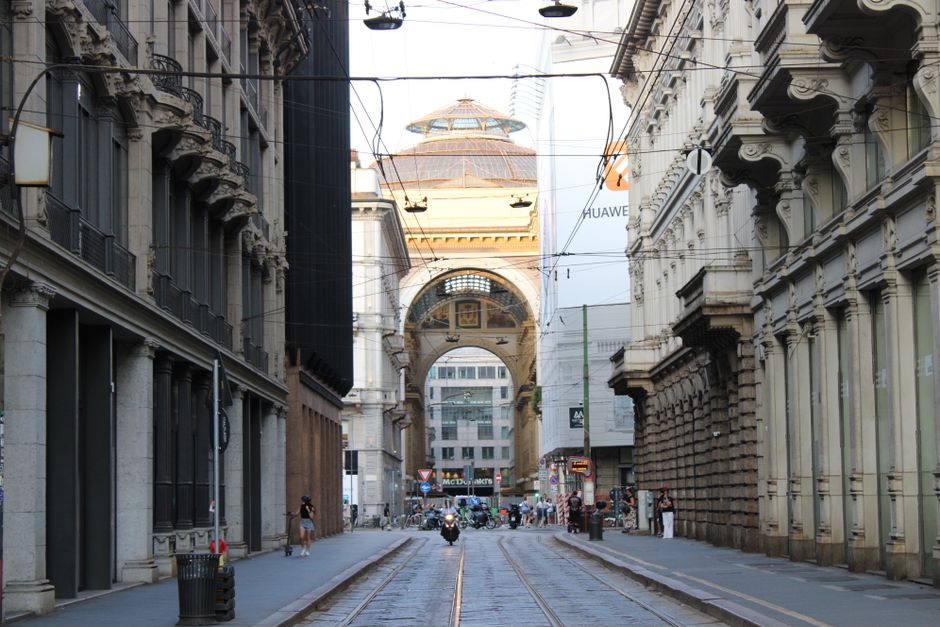
Walk along the Navigli at dawn or cycle the Parco delle Groane on a Saturday morning, and you'll see it immediately: Milan's fitness culture is shifting. No longer content with gym memberships and weekly football matches, thousands of Milanese are signing up for marathons, century rides, and full-distance triathlons. The numbers tell a compelling story about who we are becoming.
Data from the Federazione Italiana Triathlon shows Milan-based participants in triathlon events have grown 34% since 2023, with the annual Desenzano Half and Full Distance races drawing over 2,400 athletes from the Lombardy region alone. The city's running clubs—from the long-established Atletica Riccardi near Monumental Cemetery to newer collectives training around Lambro Park—report membership increases of 18-22% year-over-year. Meanwhile, cycling groups operating from bases in Isola and Porta Romana are struggling to accommodate demand for group rides.
Why Milan? Partly infrastructure. The Martesana cycle path, connecting the city centre to Lecco, offers 40 kilometres of dedicated, scenic terrain. The Idroscalo and numerous lakeside communities within an hour's drive provide accessible triathlon training grounds. But the data reveals something deeper: Milan's endurance athletes skew educated, professional, and diverse. Age breakdowns show robust participation from those aged 35-55—professionals balancing demanding careers with equally demanding athletic pursuits.
Entry fees matter too. A half-marathon in the city costs €45-65, while triathlon sprint distances run €120-180. These aren't trivial sums, yet participation remains strong, suggesting disposable income and lifestyle prioritization. Local sports shops in Brera and Lanza report their highest sales in trail shoes, road bikes, and wetsuit rentals.
The cultural shift extends beyond raw numbers. Social media engagement around local endurance events has tripled. Running clubs now function as social anchors, organising group dinners and weekend getaways. Cycling communities have become vocal advocates for better infrastructure, pressuring the Comune for expanded lane networks.
Yet questions linger. Are we seeing genuine democratization of endurance sport, or gentrification of fitness? Milan's working-class neighbourhoods—Stadera, Lorenteggio—show lower participation rates than wealthier zones like Pagano and Porta Romana. Geographic and economic access remain unequal.
What's certain: Milan's endurance boom reflects ambition, resilience, and a hunger for challenge that extends beyond professional achievement into personal domains. Our city's runners, cyclists, and triathletes aren't simply exercising. They're defining a new Milan identity—one measured not just in competitive success, but in discipline, community, and the willingness to push beyond limits.
This article was compiled by AI from the sources linked above and screened before publishing. See our editorial standards.