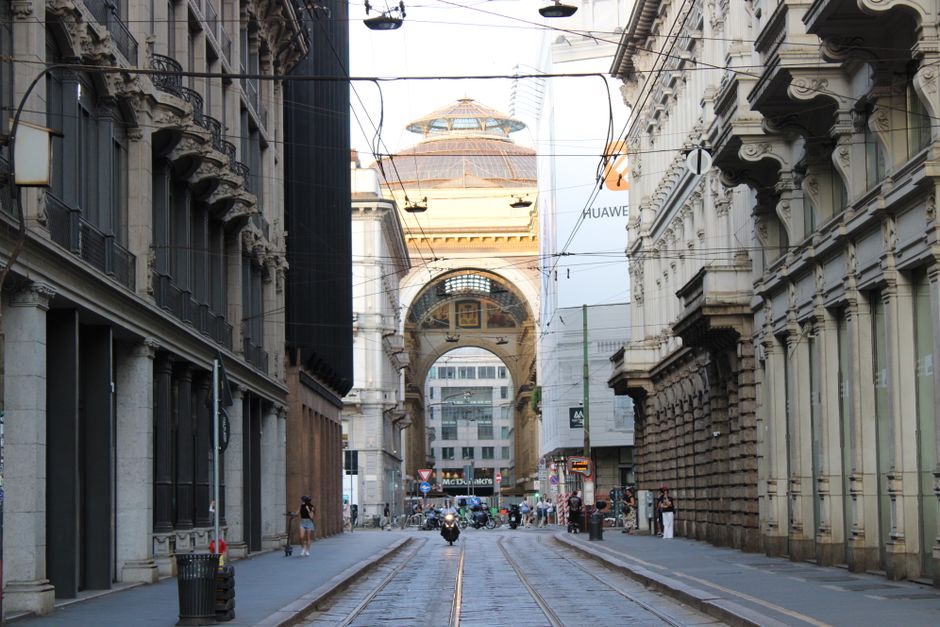
Walk along the Navigli on a summer evening and you'll spot them: clusters of swimmers preparing for evening sessions, coaches calling instructions from the water's edge, and clusters of spectators cheering on local competitors. What once felt like a niche pursuit has become woven into Milan's social fabric, with water sports clubs across the city reporting record membership and unprecedented community engagement.
The numbers tell the story. Over the past three years, membership at major swimming clubs in Milan has grown by approximately 28 per cent, according to regional federation data. Piscina Cozzi in the Città Studi neighbourhood now hosts over 1,200 active members, while facilities in Baggio and San Siro have expanded their programmes to accommodate waiting lists that stretch months in advance. Youth enrolment has surged particularly dramatically, with competitive swimming clubs reporting 40 per cent increases in junior membership since 2024.
What's driving this surge isn't just fitness trends. Local clubs have consciously shifted their approach toward accessibility and community-building rather than elite competition alone. The Associazione Nuoto Milano, based near Parco Sempione, launched a "Community Water" initiative two years ago that combines subsidised swimming lessons for low-income families with social events and mentorship programmes. Membership fees start at €120 annually for basic access—significantly below the city average—with further reductions for families and students.
"We wanted swimming to feel like it belonged to everyone," explains the federation coordinator. "Not just the ambitious kids training for nationals, but the office worker looking to decompress, the parent wanting to teach their child water confidence, the elderly person seeking low-impact exercise."
The Lido di Milano, reopened in 2023 after extensive renovation, has become a cultural hub beyond its pools. Weekend water aerobics sessions attract 200-plus participants. Open-water swimming groups meet along the Navigli twice weekly, with 50-80 regulars of mixed abilities. Triathlon clubs have established training partnerships that now involve five separate organisations coordinating shared sessions.
Beyond participation, clubs are investing in their neighbourhoods. Several have created green spaces around their facilities, installed community noticeboard systems, and begun hosting non-swimming events—summer film nights, health talks, children's water safety workshops—that draw people in through multiple entry points.
For a global city sometimes characterised by competitive individualism, Milan's water sports renaissance suggests something deeper: a hunger for structured community, accessible wellness, and spaces where strangers become teammates. One pool session at a time, the clubs are delivering exactly that.
This article was compiled by AI from the sources linked above and screened before publishing. See our editorial standards.