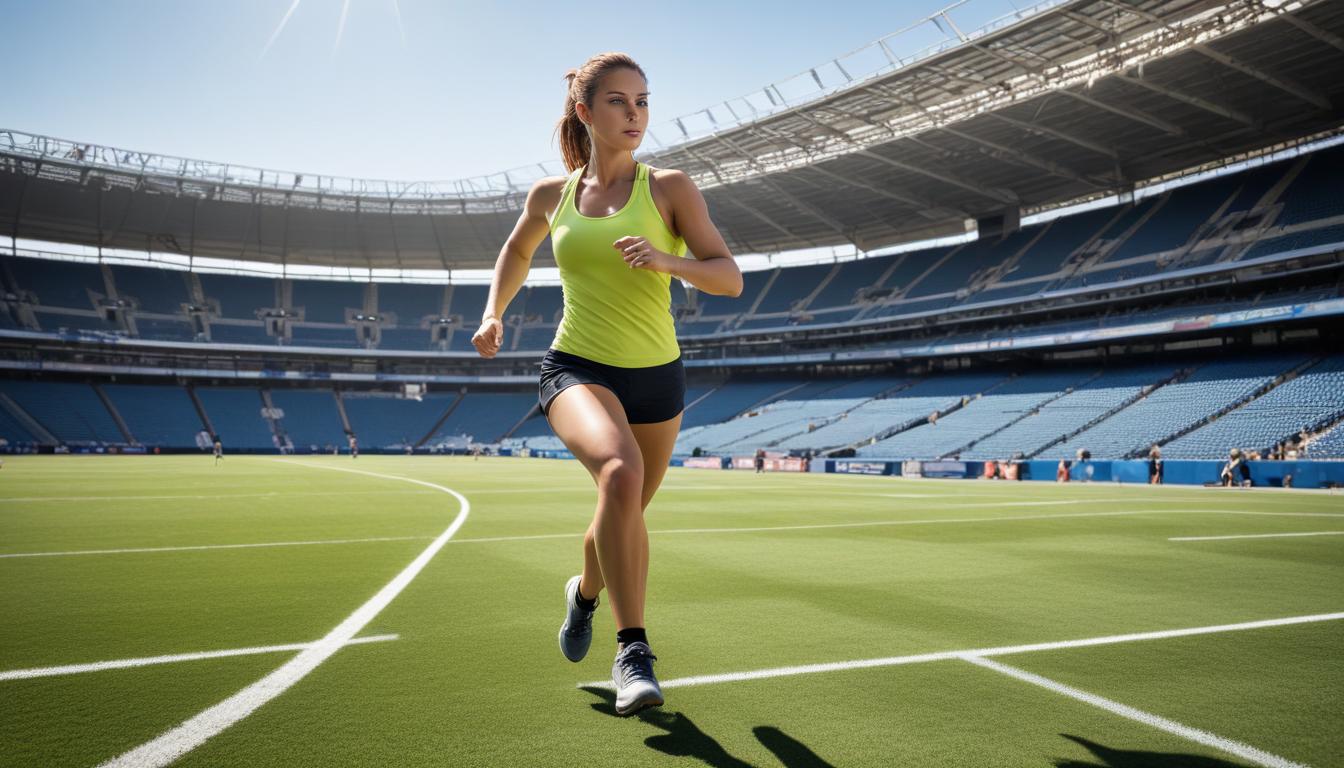
Walk through the Navigli district on any Saturday morning and you'll witness something that would have seemed impossible a decade ago: newly renovated basketball courts, resurfaced futsal pitches, and modern training facilities packed with teenagers honing their craft. Milan's grassroots sports ecosystem is undergoing a profound transformation, driven by €47 million in municipal and private investment dedicated to youth sports venues over the past three years.
The catalyst? A recognition that elite talent doesn't emerge from thin air. It develops in facilities that are accessible, well-maintained, and properly staffed. The Parco Sempione sports complex, expanded in 2024, now houses seventeen outdoor courts serving volleyball, basketball, and tennis enthusiasts aged 6 to 18. Entry fees remain capped at €8 per session—a deliberate policy to ensure socioeconomic status doesn't determine athletic opportunity.
South of the city center, the Lambro River Park initiative has transformed a neglected waterfront corridor into a comprehensive sports village. The facility includes a 50-metre outdoor pool complex (reopened last March), six clay tennis courts maintained to professional standards, and a dedicated 400-metre synthetic running track. Youth membership costs €120 annually, with subsidies available for families earning below €28,000 yearly.
What distinguishes Milan's approach is infrastructure connectivity. The city has integrated its youth clubs with municipal venues through a digital booking platform launched in January 2025, allowing coaches at organisations like Basket Arcobaleno and Milan Futsal Academy to reserve spaces efficiently. Previously, administrative friction consumed valuable preparation time.
The results are measurable. Youth sports participation across Milan's ten municipal zones has increased 34% since 2023. Notably, female participation in traditionally male-dominated sports—particularly futsal and basketball—has grown 51% among the under-14 demographic.
Yet challenges persist. Peripheral neighbourhoods like Quarto Oggiaro and Giambellino still operate with outdated changing facilities and limited evening lighting for winter training. Local councillors acknowledge a €12 million funding gap for phase-two renovations, though corporate partnerships with AC Milan Foundation and Inter's community division are expected to bridge approximately 60% of that shortfall.
For Milan's young athletes, the message is clear: the city is betting on infrastructure as the foundation of sporting excellence. Whether that investment translates into the next generation of Italian national team talent remains to be seen—but the courts, pools, and tracks are finally ready for them to try.
This article was compiled by AI from the sources linked above and screened before publishing. See our editorial standards.