San Siro's Future and the Battle for Milan's Football Infrastructure
As Serie A clubs push for modern stadiums, Milan's aging venues reveal the infrastructure gap threatening the city's global sporting status.
As Serie A clubs push for modern stadiums, Milan's aging venues reveal the infrastructure gap threatening the city's global sporting status.
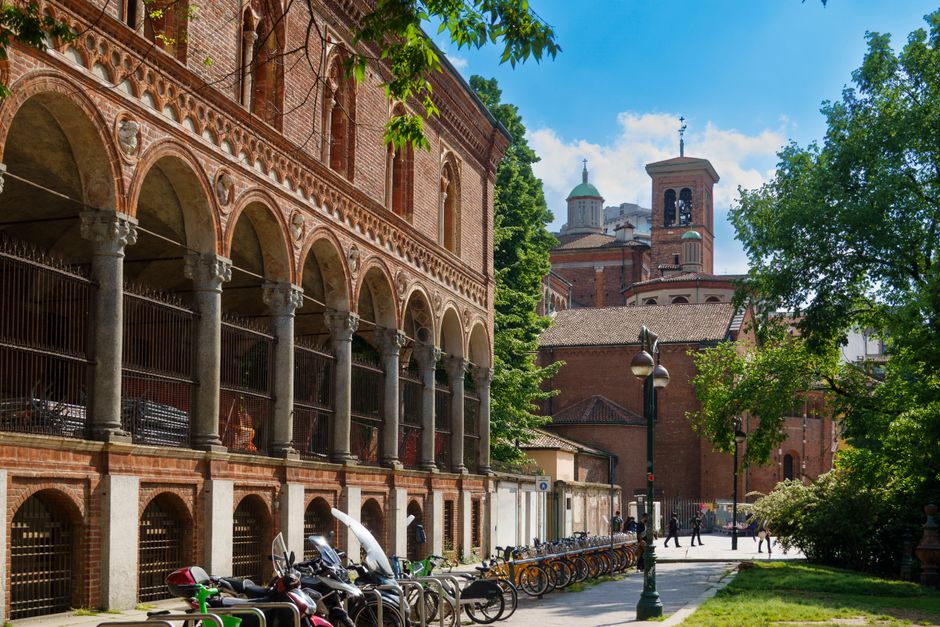
Milan's football landscape stands at a crossroads. While AC Milan and Inter Milan continue to dominate European competition, the infrastructure supporting the Rossoneri and Nerazzurri tells a more complicated story—one of aging facilities, ambitious renovation plans, and the relentless pressure to modernise.
The Stadio Giuseppe Meazza, known colloquially as San Siro, has hosted football since 1926. Its 80,000-capacity frame remains iconic, yet the stadium's ageing concrete and dated amenities increasingly clash with the expectations of contemporary supporters and broadcasters. Built in the shadow of the San Siro neighbourhood's industrial heritage, the venue now stands as a monument to mid-twentieth-century engineering rather than modern sporting infrastructure.
Both clubs have invested heavily in the surrounding areas. AC Milan's Milanello training centre in Carnago, just north of the city, represents one of Europe's most sophisticated athletic facilities, with multiple pitches, recovery labs, and cutting-edge analysis suites. Inter's training ground on the outskirts mirrors similar ambitions. Yet the gap between elite training infrastructure and matchday venue capacity has become impossible to ignore.
The proposed replacements—designs submitted to Milano's municipal authorities suggest a capacity reduction to 60,000-70,000 seats with premium hospitality zones and reduced standing areas—signal a shift toward revenue maximisation over traditional accessibility. Current season ticket prices at San Siro range from €400 to €3,500 annually, with match-day tickets starting at €50 for upper-tier seating.
Beyond the two giants, Milan's football ecosystem includes Stadio Brianteo in Monza and various community pitches across neighbourhoods like Navigli, Isola, and Porta Romana. These grassroots venues remain underfunded, with municipal budgets stretched thin across the city's broader sporting commitments.
The infrastructure question extends beyond stadiums. Milan's public transport—the iconic red tram lines and Metro M1, M2, and M5—efficiently connects San Siro to Duomo and Central Station, yet match-day congestion frequently tests the system's capacity. The Porta Garibaldi and Centrale stations experience surges of 40,000-50,000 supporters on derby days.
European peers have moved decisively. Turin's Allianz Stadium opened in 2011; Juventus enjoys modern facilities with premium seating, technological integration, and hospitality revenue streams Milan's clubs have yet to fully exploit. Roma's Stadio Olimpico renovation accelerated in recent years.
As Milan positions itself as a global sporting capital—hosting the 2026 Winter Olympics infrastructure debates—football's physical home demands answers. The city's footballing future depends not merely on talent or tactics, but on whether its infrastructure can match the ambitions of its clubs and the expectations of its supporters.
This article was compiled by AI from the sources linked above and screened before publishing. See our editorial standards.
How does this story make you feel?
Spread the word
About this article
Published by The Daily Milan
Daily brief
Free, in your inbox before 7am. Weekdays.
More in Sport