From Neighbourhood Courts to National Champions: The Grassroots Story Behind Milan's Community Sport Movement
Across the city's working-class districts, volunteer-led youth clubs are quietly reshaping Milan's athletic future—one kickabout at a time.
Across the city's working-class districts, volunteer-led youth clubs are quietly reshaping Milan's athletic future—one kickabout at a time.
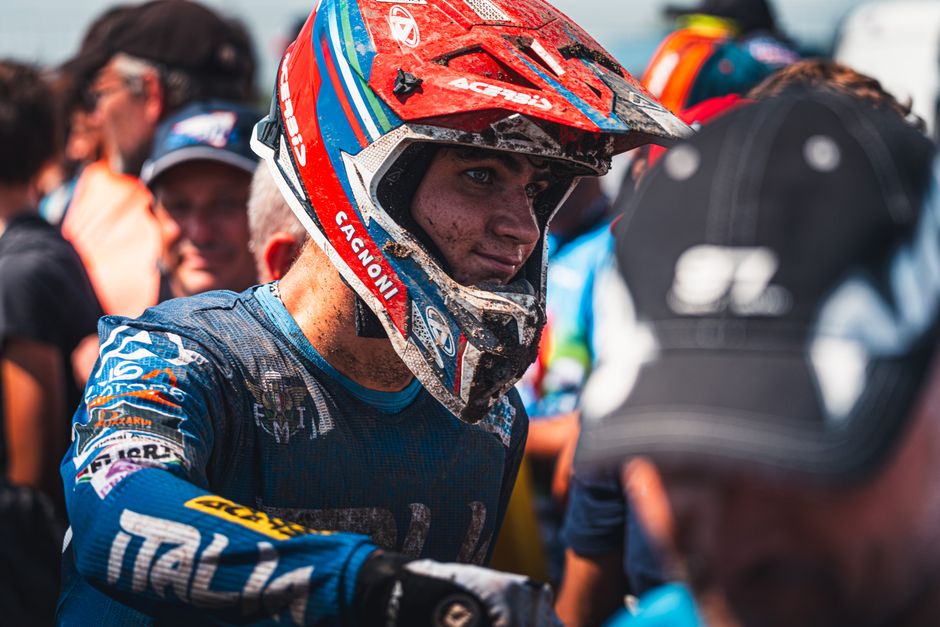
In the shadow of Porta Romana's historic arches, a handful of teenagers weave through orange cones on a worn concrete pitch. It's Tuesday evening, and the Associazione Sportiva Navigli is in full swing—one of over 450 grassroots sports clubs now operating across Milan's neighbourhoods, serving more than 85,000 young people aged 5 to 18.
The movement has transformed how this city thinks about youth development. Where once only elite academies and expensive private gyms dominated Milan's sporting landscape, a network of community-driven organisations has emerged from the ground up, operating on shoestring budgets yet producing remarkable results.
"We started with nothing," says the coordinator of Ortica Calcio, one of the oldest clubs in the San Siro district. "Twenty years ago, kids had nowhere to play. Now we have 340 registered members, three age groups competing in regional leagues, and we charge families just €120 per season." For comparison, private football academies in central Milan typically demand €800 to €1,200 annually.
The infrastructure tells a different story than it did a decade ago. Courts in Lambrate, Affori, and Greco—traditionally underserved neighbourhoods—now host training sessions five nights a week. Many clubs operate from municipal facilities that were renovated through partnerships between local authorities and parent-led initiatives. The city's 2024 sport development strategy allocated €3.2 million specifically to grassroots programming, doubling the previous budget.
What distinguishes Milan's grassroots movement is its diversification beyond football. Basketball leagues in Centrale, volleyball programmes in Isola, and swimming clubs in Bovisa reflect the economic reality of working families who want their children active but can't afford elite-level fees. The Polisportiva Lambrate, for instance, offers six different sports under one roof for €90 per month.
Volunteers form the backbone. Across Milan, approximately 2,800 unpaid coaches—many former amateur athletes themselves—invest evenings and weekends teaching fundamental skills. Parent associations manage logistics, fundraise through modest membership contributions and local sponsorships, and advocate for facility access.
The results are tangible. Youth participation in structured sports has increased 34% since 2019. More significantly, recent data shows that children from grassroots clubs progress to competitive level sports at twice the rate of their counterparts from purely private programmes—suggesting that inclusive community models don't compromise excellence.
As Milan balances its image as a global fashion and finance centre with its working-class roots, these neighbourhood clubs have become something essential: proof that quality athletic development doesn't require corporate budgets, just committed communities.
This article was compiled by AI from the sources linked above and screened before publishing. See our editorial standards.
How does this story make you feel?
Spread the word
About this article
Published by The Daily Milan
Daily brief
Free, in your inbox before 7am. Weekdays.
More in Sport