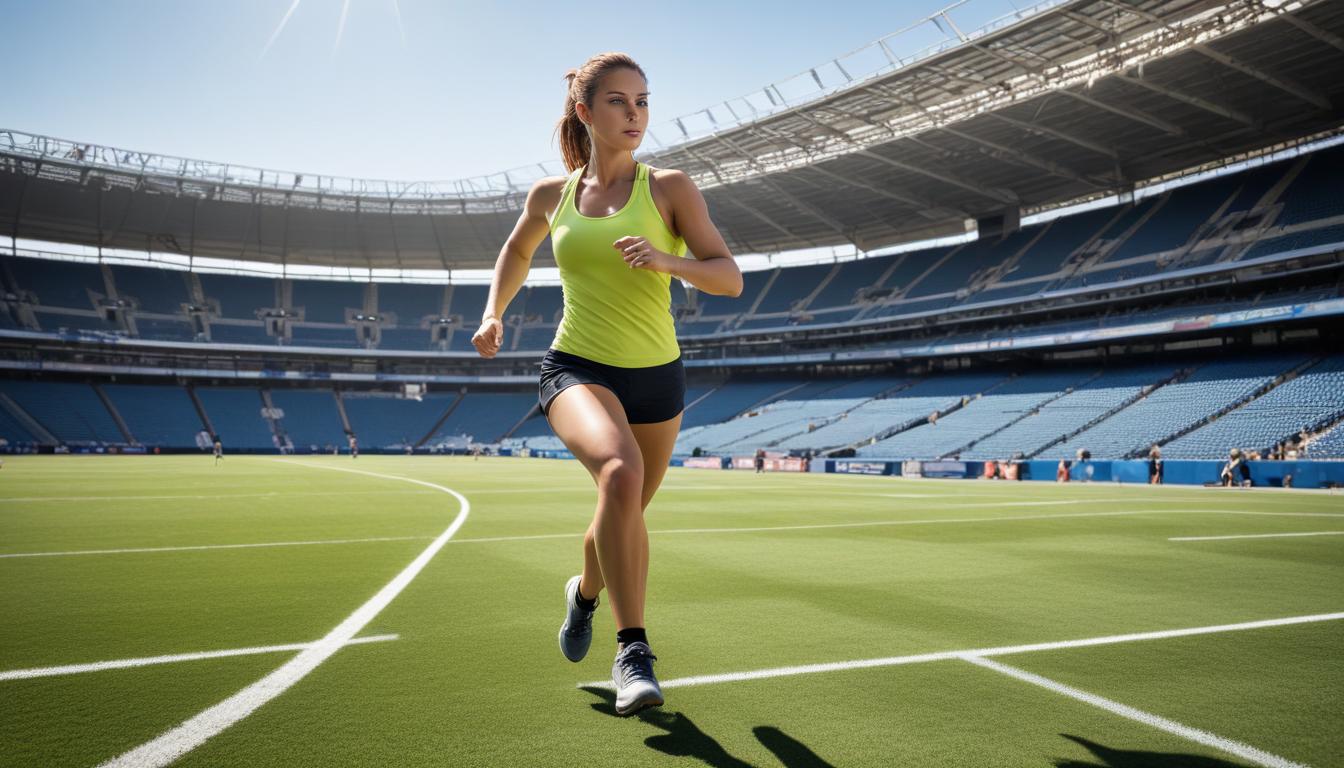
Milan's fitness landscape shifted noticeably this week as several high-profile training facilities reported surging membership interest following a series of competitive events across the city's sports venues. The trend reflects a broader pattern emerging in the northern Italian metropolis, where gym culture and serious athletic training have become increasingly intertwined with professional sporting achievement.
Data from facilities clustered around the Navigli district and near Parco Sempione indicates that early morning strength training sessions—typically running from 5:30 AM to 7:00 AM—are now operating at near-capacity levels, with premium memberships in the €85-120 monthly range becoming the norm at boutique facilities. This mirrors growing demand among Milan's competitive athletes preparing for autumn league campaigns and regional tournaments.
The week's standout results came from the city's primary tennis academies, where several junior competitors registered notable victories in qualifying rounds for the Northern Italy Summer Circuit. Simultaneously, track and field athletes training at the Stadio Riccardo Meazza's secondary facilities recorded impressive sprint times, suggesting that high-intensity interval training protocols—now standard across Milan's serious fitness operations—are yielding measurable performance gains.
Field hockey teams based in the suburban Rho and Pero complexes completed their weekly competitive matches with mixed results, though training video analysis revealed significantly improved conditioning markers compared to sessions from early June. Coaches attributed improvements partly to modified nutrition protocols and recovery strategies now being implemented across Milan's affiliated fitness networks.
What's particularly notable is the integration of digital training monitoring into traditional gym environments. Facilities from Porta Romana to the San Siro district increasingly offer real-time biometric feedback during training sessions, creating what industry observers describe as a measurable shift toward data-driven fitness culture. Average session costs have risen 12-15% year-on-year, yet retention rates remain strong among serious competitors.
The commercial fitness sector is responding aggressively. New mid-tier operations opening along Viale Monza are positioning themselves specifically toward semi-professional athletes and dedicated fitness enthusiasts, filling a market gap between premium boutique facilities and standard commercial chains. Early indicators suggest this positioning resonates strongly with Milan's increasingly sophisticated athletic demographic.
As summer intensifies and autumn competitions approach, expect continued momentum in Milan's competitive training culture. The results from this week across the city's courts, tracks, and fields suggest that athletes taking conditioning seriously—backed by accessible, science-informed training environments—are emerging as the clear beneficiaries of the city's evolving fitness infrastructure.
This article was compiled by AI from the sources linked above and screened before publishing. See our editorial standards.