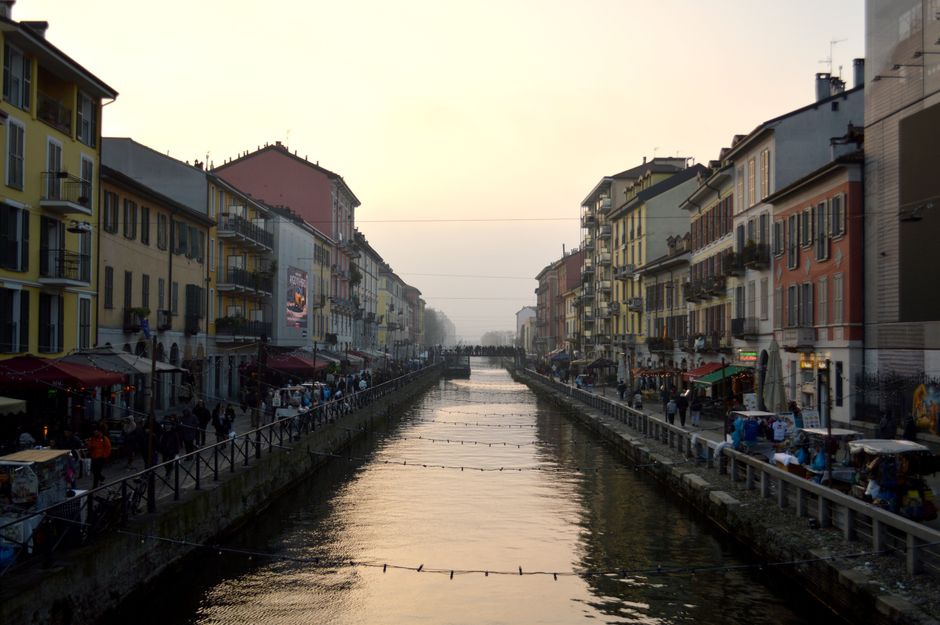
Walk through the Navigli district on any Saturday morning and you'll find something remarkable: dozens of children in mismatched kits, parents gathered along the sidelines, and a sense of belonging that transcends the glittering spectacle of Serie A. This is where Milan's real football revolution is happening—not at the San Siro, but in neighbourhood clubs that have become anchors for communities often overlooked by the city's two giant institutions.
Grassroots football in Milan has experienced a resurgence over the past three years, with participation in amateur leagues increasing by 23 percent according to the Lombardy Regional Football Association. Clubs like ASD Porta Romana and Polisportiva Darsena have become hubs for social cohesion, offering subsidised programmes that cost families as little as €80 per season—a fraction of what elite youth academies demand.
"We're not producing the next Mbappé," explains one coach at a Giambellino-based academy, speaking candidly about their mission. "We're producing citizens. Kids who learn discipline, friendship, and respect from their neighbours." The club operates three pitches near Viale Papiniano, welcoming over 200 youth players weekly.
The impact extends beyond the pitch. In the Lambrate neighbourhood, a local women's football initiative has attracted 150 female players—an 85 percent increase from 2024. Organisers have worked with the municipal government to secure funding for training facilities at the Parco Formentano complex, recognising that investment in grassroots infrastructure strengthens entire districts.
The City of Milan has responded with strategic support. Through its "Sport for All" initiative, the administration allocated €2.4 million across 2024-2026 to grassroots programmes, specifically targeting underserved areas like Barona and Quarto Oggiaro. Local schools have partnered with neighbourhood clubs, integrating football into physical education curricula while maintaining affordability.
What's driving this momentum? Partly pragmatism. Elite clubs cannot absorb every young talent, and communities have realised their own resilience depends on fostering local participation rather than chasing distant dreams. Partly, it's social necessity—football remains the most accessible sport for Milan's diverse, often economically stretched families.
As the city prepares to co-host the 2026 Winter Olympics, attention inevitably focuses on flagship venues and international prestige. Yet here in the Navigli, Giambellino, and Lambrate, a quieter but equally vital Milan is taking shape: one where football clubs serve not just athletes, but entire neighbourhoods seeking connection, purpose, and a stake in their city's future.
This article was compiled by AI from the sources linked above and screened before publishing. See our editorial standards.