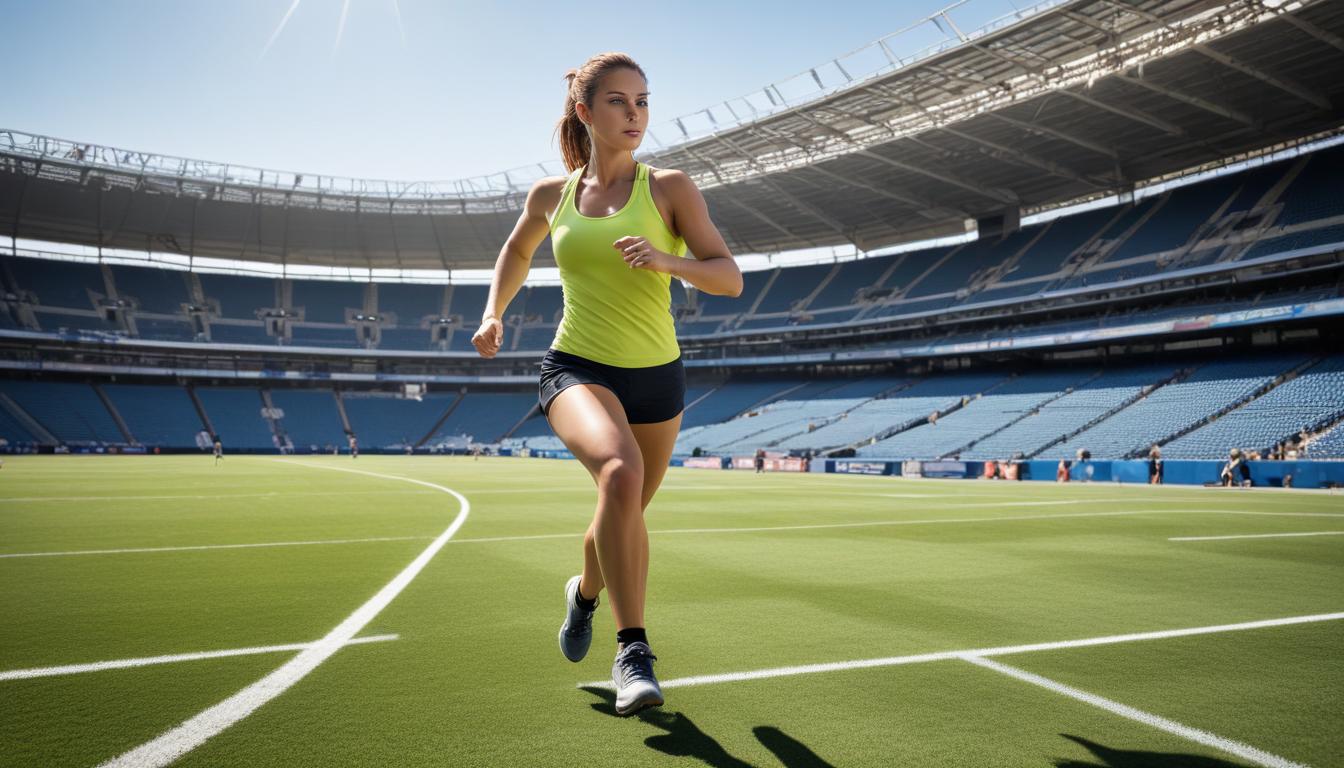
The San Siro's turnstiles are about to spin faster than they have in months. With Inter Milan's contingent of World Cup participants returning to Viale delle Innovazioni this summer, the club confronts a pivotal moment that extends far beyond the pitch. The tournament's conclusion has left Serie A's most dominant force reassessing not just squad composition, but the very venues where champions are built.
Inter's World Cup representation—scattered across multiple nations' campaigns—has thrust the club into an unexpected limelight beyond domestic dominance. Players competing at the tournament's highest level, particularly those from South America and Europe, have demonstrated the calibre of talent concentrated within the Nerazzurri ecosystem. The question now facing the Suning-led administration is whether San Siro, shared with cross-city rivals AC Milan, remains adequate for a club positioning itself as a global heavyweight.
The stadium's current capacity of roughly 80,000 and ageing infrastructure have long prompted discussion about modernisation. With other Italian clubs investing heavily—Juventus's modernised Allianz Stadium and Atalanta's new Gewiss Stadium serving as benchmarks—Inter faces mounting pressure to enhance fan experience and operational efficiency. Costs for comprehensive San Siro renovation proposals have circulated between €500 million and €1.2 billion, a substantial commitment even for a club of Inter's financial standing.
Beyond bricks and mortar, the post-World Cup landscape reshapes transfer dynamics. Players who performed on football's grandest stage now command elevated market valuations. Inter's scouting network, traditionally focused on European recruitment, must navigate a complex environment where competing clubs globally have heightened their interest in Nerazzurri talent. The club's academy in Appiano Gentile, nestled northwest of Milan, suddenly becomes even more critical as a sustainable talent pipeline.
Commercially, the World Cup exposure has amplified Inter's global brand. International broadcast rights, sponsorship negotiations, and merchandise opportunities have expanded dramatically. Yet converting this visibility into sustained competitive advantage requires strategic infrastructure investment and careful squad management.
The club's hierarchy will gather at their Viale Piccolomini headquarters in the coming weeks to chart course. Do they pursue San Siro modernisation, negotiate a new stadium deal, or invest those capital resources directly into playing talent? The answers will ripple through Italian football for years. For now, the San Siro awaits its returning heroes, its ageing concrete a reminder that even champions cannot rest indefinitely.
This article was compiled by AI from the sources linked above and screened before publishing. See our editorial standards.