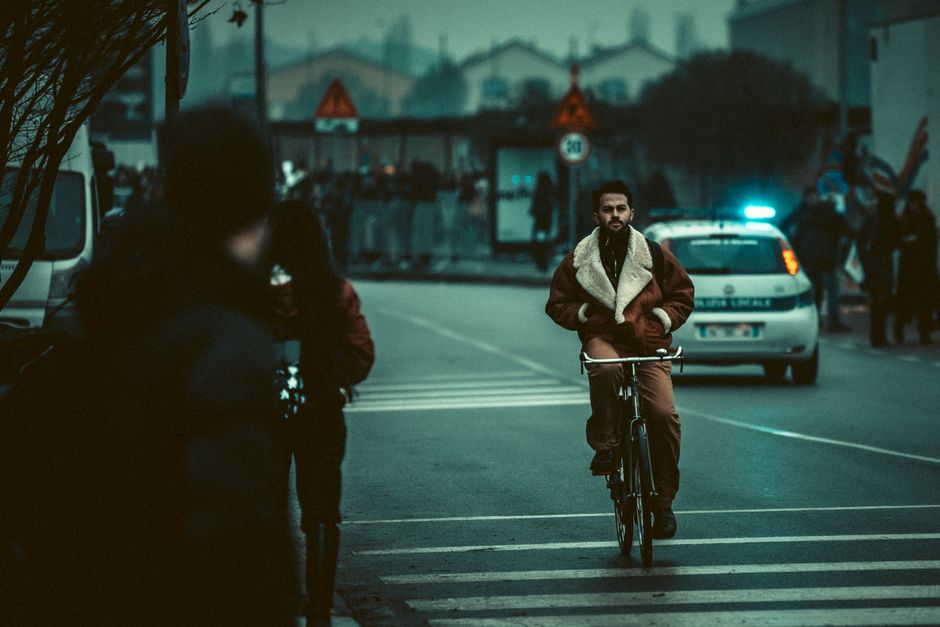
Walk through the Navigli district on any weekday evening, and you'll find makeshift CrossFit boxes tucked beneath vintage apartment buildings, community yoga collectives meeting in converted warehouse spaces, and running clubs gathering at the Darsena waterfront with nothing but enthusiasm and borrowed equipment. This is where Milan's grassroots fitness movement is being built—not in the gleaming premium facilities of the city centre, but in the neighbourhoods where real Milanese live and train.
The shift reflects a broader cultural realignment. According to a 2025 survey by the Lombardy Sports Commission, nearly 64% of Milan's active fitness population now participate in independent or community-led training programmes, up from just 31% five years ago. Monthly membership fees at neighbourhood gyms like those clustered around Via Torino and the Porta Romana area average €35-45, compared to €80-120 at corporate chains in the Duomo precinct.
What's driving this change isn't simply economics, though affordability matters. It's community. In spaces like the Isola district's converted industrial studios, fitness has become deliberately social—group training sessions, skill-sharing workshops, and mentorship networks where experienced athletes coach newcomers free of charge. These aren't influencer-driven spaces; they're functional, unglamorous, and intensely local.
The movement gained momentum during the pandemic when lockdowns forced creative adaptation. Small operators reopened first, building loyalty that persisted even after restrictions lifted. Today, organisations like the Associazione Milano Sport Popolare actively coordinate grassroots initiatives across twelve neighbourhoods, from Lambrate to Brera, creating a decentralised network that feels genuinely democratic.
One striking pattern: these spaces attract demographics traditionally underrepresented in Milan's premium fitness culture. Parents juggling work and childcare, older adults, immigrant communities, and young people priced out of conventional gyms have found belonging in these stripped-back environments. A 2024 census of independent fitness operators found that 58% of participants came from households earning under €45,000 annually—a sharp contrast to corporate gym demographics.
Yet challenges remain. Inconsistent regulation, limited municipal funding, and competition from digital fitness platforms pressure operators constantly. Many survive on thin margins, dependent on volunteer support and mutual aid.
Still, the momentum is undeniable. Milan's grassroots fitness culture represents something increasingly rare: a civic space that's genuinely inclusive, locally rooted, and resistant to commercialisation. As the city's wealthier districts continue building luxury wellness complexes, the real revolution is happening in the neighbourhoods where people actually live.
This article was compiled by AI from the sources linked above and screened before publishing. See our editorial standards.