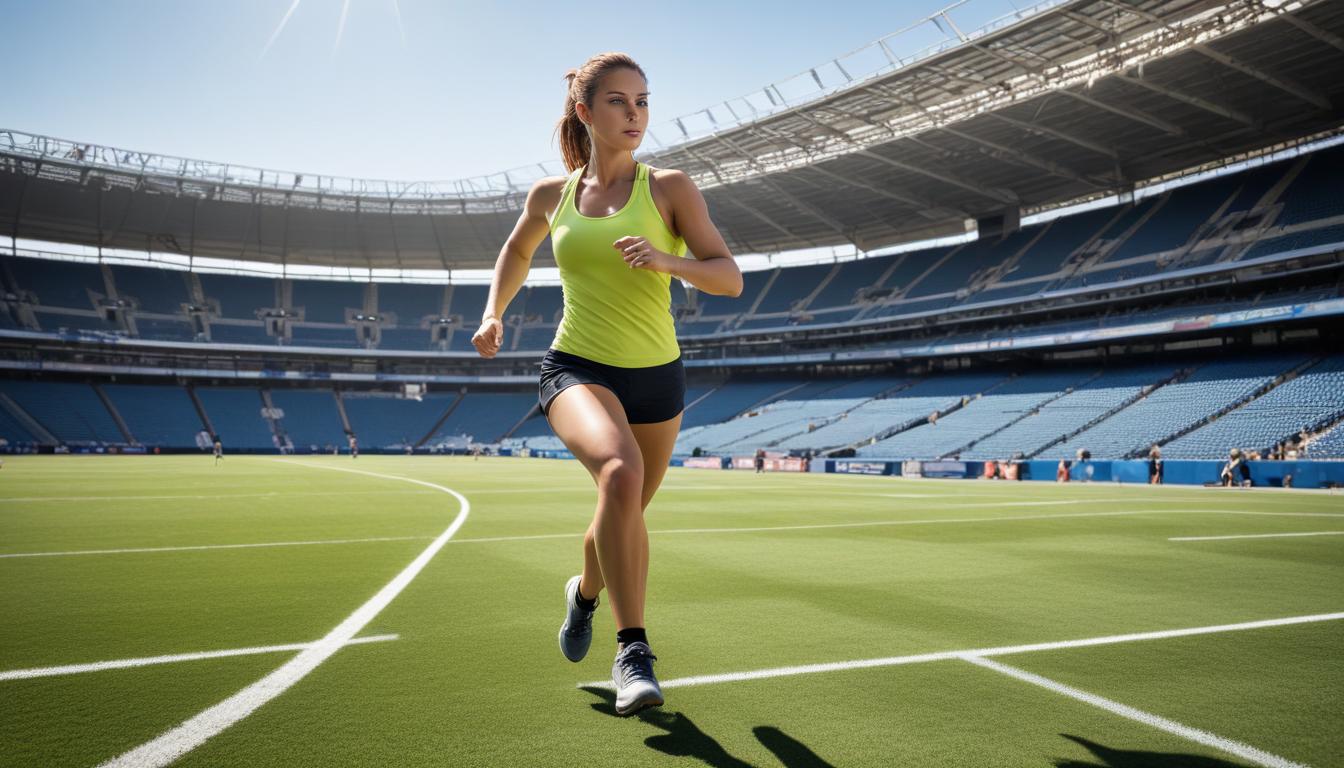
Milan's Football Infrastructure Gets a €200m Upgrade as San Siro Rivals Modernise Their Grounds
With the Nerazzurri and Rossoneri planning major stadium renovations, the city's grassroots facilities are also undergoing a quiet transformation.
With the Nerazzurri and Rossoneri planning major stadium renovations, the city's grassroots facilities are also undergoing a quiet transformation.
Milan's reputation as a footballing powerhouse rests not just on the talent emerging from its academies, but on the infrastructure that shapes players from childhood. As both Inter and AC Milan contemplate the future of the San Siro—that iconic fortress of Milanese football since 1926—a parallel story is unfolding across the city's neighbourhoods, where investment in training grounds and community facilities is reshaping how the next generation develops the beautiful game.
The proposed redevelopment of the San Siro site in the Meazza area represents the most visible element of Milan's football infrastructure ambitions. Yet equally significant are the investments in peripheral training facilities. Inter's Centro Sportivo Suning in Appiano Gentile, while technically in Como province, draws hundreds of young players from Milan's Zona 9 and northern suburbs daily. AC Milan's Milanello complex, similarly positioned on the city's outskirts, has undergone €15m in upgrades over the past three years, including new pitch installations and modernised recovery facilities.
But the real transformation is happening at grassroots level. The Comune di Milano has invested €45m since 2022 in upgrading municipal sports facilities across the city's nine zones. In Zona 2, the Parco Lambro sports complex now boasts three regulation pitches with LED floodlighting—a €3.2m project completed in 2024. Similarly, the Velodromo Vigorelli area in Zona 7 has seen its adjacent football grounds refurbished to accommodate both elite youth academies and Sunday league football.
The Federazione Italiana Giuoco Calcio (FIGC) recognises Milan as a critical development hub. The Vismara training ground in Zona 3, shared between smaller clubs, received €2.1m in structural improvements last year, now hosting eight separate pitches at various competition standards. Such facilities matter: Milan produces approximately 140 professional footballers annually—roughly 8% of Italy's professional player output, despite representing just 3% of the national population.
Private investment complements public spending. Academy networks including AC Milan Academy, Inter Campus, and independent institutions like Atalanta's Milan satellite facility have collectively spent an estimated €80m on new training infrastructure since 2023. These aren't vanity projects; they're essential pipelines feeding talent upward.
The challenge ahead remains accessibility and equity. While elite facilities proliferate, ensuring working-class youth in Zona 8 and Zona 9 neighbourhoods have comparable opportunities requires sustained municipal commitment. Milan's football infrastructure ambitions are increasingly sophisticated—yet their success ultimately depends on whether that investment reaches every corner of this football-obsessed city.
This article was compiled by AI from the sources linked above and screened before publishing. See our editorial standards.
How does this story make you feel?
Spread the word
About this article
Published by The Daily Milan
Daily brief
Free, in your inbox before 7am. Weekdays.
More in Sport