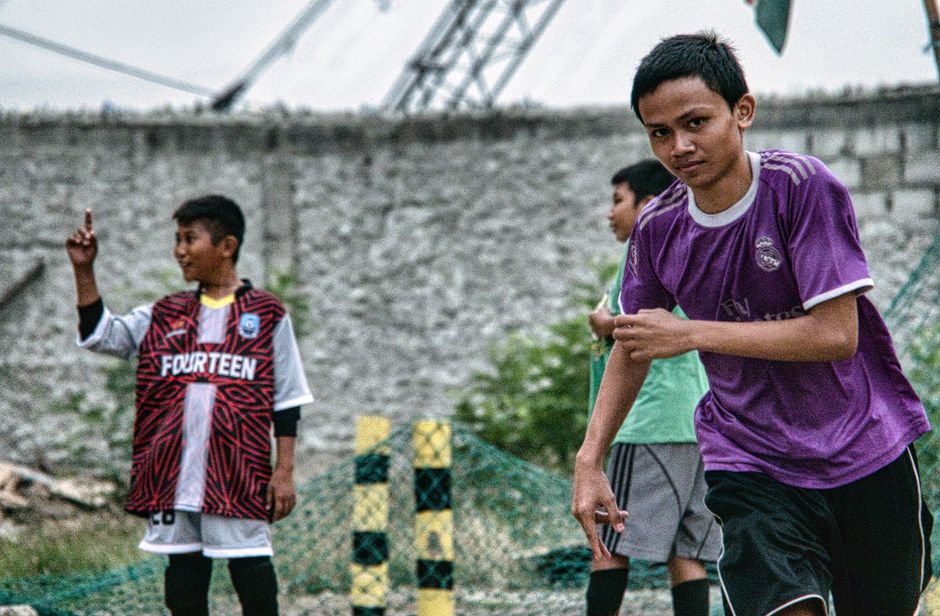
Milan's reputation as a sporting powerhouse extends far beyond Serie A stadiums. Across the city's neighbourhoods, hundreds of grassroots clubs are nurturing the next generation of athletes—and getting involved is far more accessible than many families realise.
The entry point varies by sport, but most youth clubs in Milan accept children from age five onwards. Football remains the dominant pathway, with neighbourhood clubs operating in every quadrant. The Federazione Italiana Giuoco Calcio oversees structured academy programs, typically charging €40–80 monthly for recreational youth leagues, rising to €150–250 for competitive development squads. Major facilities like those in Baggio and around Parco Lambro offer multiple age groups training simultaneously.
Beyond football, Milan's network is surprisingly diverse. The Società Canottieri Bucintoro, based along the Navigli canal system, operates swimming and rowing programs for juniors starting at age six. Athletic clubs across Porta Vittoria and Navigli districts run track-and-field academies, while basketball clubs cluster near the San Siro district. Costs generally range €30–100 monthly, depending on facility quality and coaching credentials.
The practical process is straightforward. Most clubs require parental registration through Italian sports federations (CONI affiliation ensures insurance cover). You'll need your child's birth certificate, proof of residency, and a basic medical certificate—typically available from your GP for €15–25. Many clubs hold open days in September, coinciding with the school year start, making late summer the ideal recruitment period.
What parents should verify: coaching qualifications (look for CONI or federation-certified instructors), facility standards, and whether the club emphasises competitive development or recreational participation. The quality spectrum is wide. Established clubs in central neighbourhoods like Magenta often command premium fees but offer superior coaching; smaller suburban clubs near Lambrate or Quarto Cagnino provide genuine community engagement at lower cost.
A crucial consideration: Italian grassroots sport operates on a seasonal calendar. Most football and athletics clubs run September–May, with summer break or reduced schedules June–August. Swimming and indoor sports maintain year-round programming. Budget accordingly if you're committing to multiple seasons.
Digital resources help. The CONI website lists affiliated clubs by discipline and neighbourhood. Many clubs now manage registration through platforms like TeamSystem, allowing you to compare offerings and enrol remotely.
The investment—typically €300–600 annually for recreational youth sport—yields benefits beyond physical fitness. Milan's grassroots system emphasises Italian values of discipline and community participation. For families new to the city, youth clubs provide natural social integration across generations.
The 2026–27 season registrations open in August. Start exploring now, visit two or three clubs, and don't hesitate to ask questions. Milan's youth sports culture welcomes newcomers.
This article was compiled by AI from the sources linked above and screened before publishing. See our editorial standards.