Milan's Fitness Revolution: How World-Class Training Infrastructure Fuels a City's Athletic Ambitions
From renovated facilities in Navigli to cutting-edge centres near the San Siro, Milan's booming gym culture is reshaping how the city trains.
From renovated facilities in Navigli to cutting-edge centres near the San Siro, Milan's booming gym culture is reshaping how the city trains.
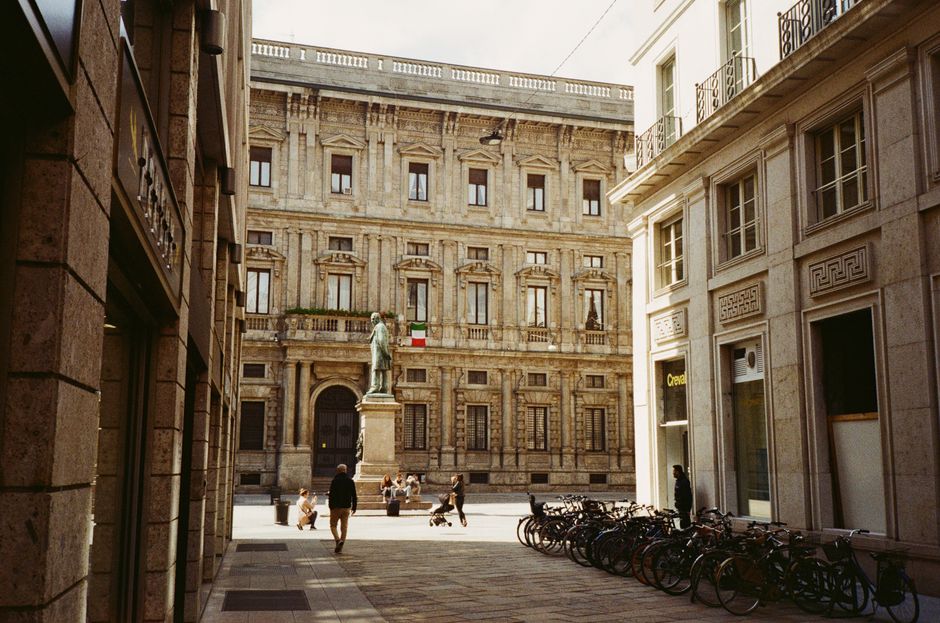
Milan's fitness landscape has undergone a dramatic transformation over the past three years, with the city's investment in training infrastructure now rivalling that of Europe's premier athletic destinations. What was once a sector dominated by cramped neighbourhood palestre has evolved into a diverse ecosystem of state-of-the-art facilities catering to everyone from casual joggers to elite athletes preparing for international competition.
The shift is most visible in traditionally working-class areas. In the Navigli district, three major gyms have opened or expanded since 2024, capitalising on the neighbourhood's gentrification and young demographic. Monthly membership costs typically range from €45 to €85, depending on facilities offered—a 20 per cent increase from 2023, reflecting growing demand for premium equipment and wellness services. These venues now feature dedicated zones for functional training, CrossFit, and recovery therapy, alongside traditional strength and cardio sections.
Near the San Siro stadium, where AC Milan and Inter Milan train, the concentration of professional-grade facilities has intensified. Sports science centres equipped with biomechanical analysis systems and altitude chambers serve both club athletes and private clients willing to invest €150-200 per month for elite-level coaching. The proximity to the clubs has created a unique training ecosystem where amateur athletes can access similar methodologies to those used by Serie A professionals.
Public provision remains crucial to Milan's fitness infrastructure. The Civico 18 leisure centre in Porta Romana underwent a €2.8 million renovation in 2025, reopening with expanded pool facilities and a modern 800-square-metre gym accessible at subsidised rates for residents. Such municipal investment ensures that fitness culture isn't solely the preserve of affluent districts.
Data from Milan's Sport and Health Department reveals 312,000 active gym memberships across the city—approximately 23 per cent of the adult population. This represents a 31 per cent increase since 2022, outpacing national growth rates and positioning Milan as Italy's fitness capital after Rome.
The infrastructure boom reflects broader European trends: wearable technology integration, hybrid online-offline training models, and wellness-focused facilities prioritising recovery and mental health. Yet Milan's particular advantage lies in its concentration of venues within navigable distances. A cyclist can access five major training centres within 15 minutes from the city centre—a competitive advantage that continues attracting fitness professionals and enthusiasts.
As Milan consolidates its position as a sporting city, these facilities represent more than commercial enterprises. They are the scaffolding upon which the city's sporting culture is built.
This article was compiled by AI from the sources linked above and screened before publishing. See our editorial standards.
How does this story make you feel?
Spread the word
About this article
Published by The Daily Milan
Daily brief
Free, in your inbox before 7am. Weekdays.
More in Sport