Milan's relationship with water sports has undergone a quiet revolution. While the city's industrial canals once dominated the urban landscape, today's aquatic infrastructure reflects a city committed to world-class facilities and accessibility for swimmers at every level.
The Piscina Cozzi on Viale Tunisia remains the crown jewel—a 50-metre Olympic pool that has hosted international competitions and continues to draw serious athletes. Just south, the Piscina Scarioni in the Porta Genova neighbourhood serves the local community with more modest but essential facilities, proving that Milan's aquatic ecosystem extends beyond elite venues. The €12 million renovation of the Piscina Monumentale in the Sempione district, completed in 2024, added two additional competition pools and modern training facilities that have attracted regional championships.
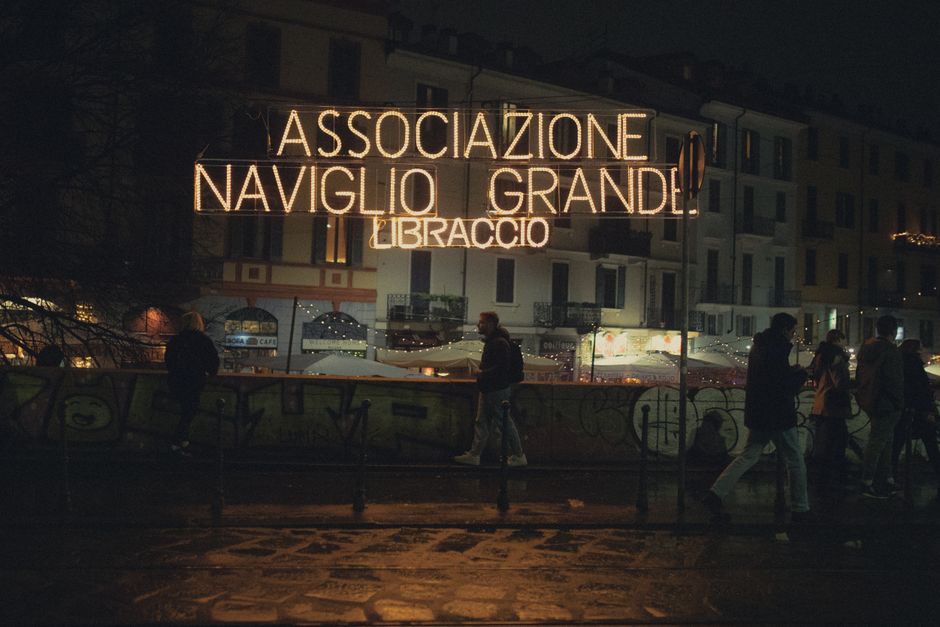
What distinguishes Milan's current landscape is the integration of water sports into urban regeneration. The ongoing Navigli project aims to restore the historic canal system—once Italy's lifeline for commerce—as both a recreational waterway and catalyst for neighbourhood vitality. The stretch between Porta Ticinese and the Darsena has become increasingly popular for rowing clubs and open-water swimming groups, with several organisations now offering training programmes that capitalise on the city's renewed connection to water.
Accessibility remains central to Milan's strategy. Municipal pools charge approximately €5 per session for casual swimmers, with season passes averaging €250—making regular training affordable for working families. The city currently operates 14 public pools across districts including Lambrate, Navigli, and Niguarda, complemented by private facilities like Azionaria and Centro Sportivo Saini.
Youth development programmes have expanded significantly. Swimming federations operating from Milan's pools report that junior membership has grown 23 percent in the past two years, suggesting the infrastructure investments are translating into grassroots participation. The city's partnership with Federazione Italiana Nuoto ensures coaching standards remain competitive with northern European equivalents.
Yet challenges persist. Maintenance budgets remain contested, and some older facilities require upgrades to meet modern standards. Climate considerations—particularly water management and energy consumption—present ongoing pressures for a city navigating its environmental commitments.
Still, Milan's aquatic infrastructure tells a story of calculated modernisation. By weaving water sports throughout the urban fabric—from Olympic training grounds to neighbourhood pools to restored canals—the city is creating conditions where swimmers need not travel elsewhere to pursue their sport at any level.
This article was compiled by AI from the sources linked above and screened before publishing. See our editorial standards.