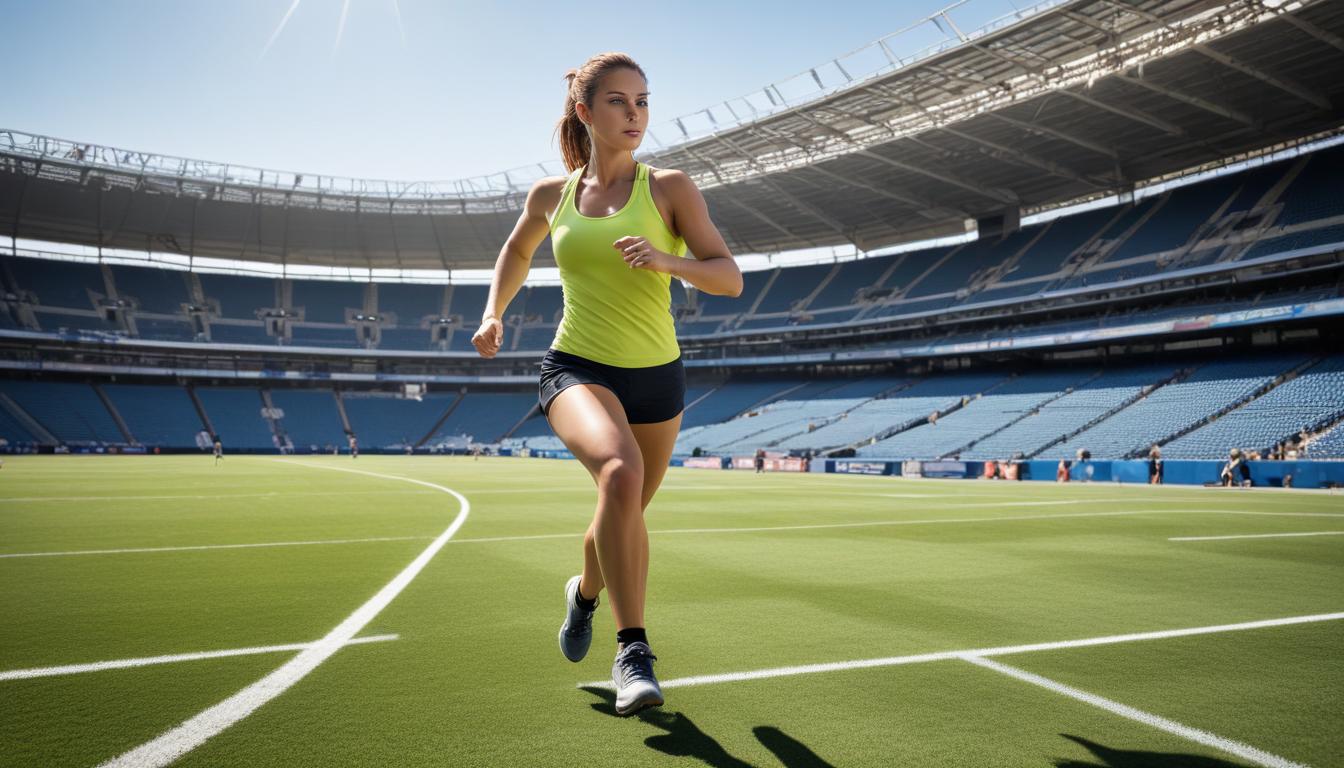
From Neighbourhoods to Stadiums: How Grassroots Sport Built Milan's Winning Culture
Behind the roar of San Siro and the prestige of Europe's elite clubs lies a quiet revolution unfolding in Navigli's courts and Lambrate's community centres.
Behind the roar of San Siro and the prestige of Europe's elite clubs lies a quiet revolution unfolding in Navigli's courts and Lambrate's community centres.
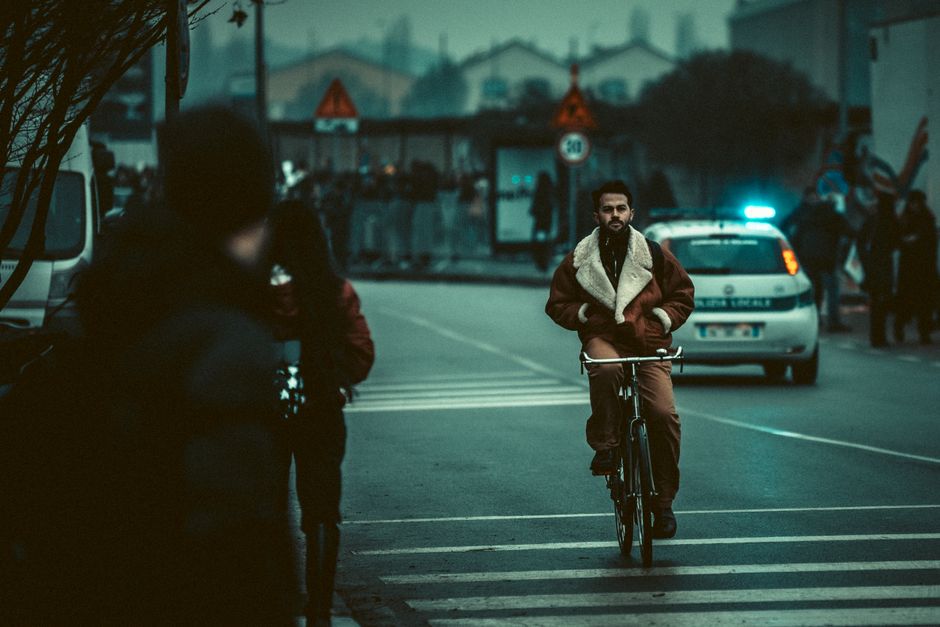
Walk through the Porta Romana neighbourhood on a Tuesday evening and you'll find something remarkable: a converted warehouse on Via Ripamonti has become the beating heart of Milan's grassroots basketball movement. Here, at the Centro Sportivo Municipale, teenagers from working-class families shoot hoops under flickering LED lights, each one harbouring dreams that stretch far beyond their immediate surroundings.
This is the untold narrative behind Milan's sporting dominance. While international cameras focus on the San Siro's 80,000 capacity and the championship triumphs of the city's elite clubs, a parallel ecosystem thrives in neighbourhoods that rarely make the news. The Associazione Sportiva Lambrate, founded in 1987, now runs seven neighbourhood courts across the eastern districts. Their annual budget of €340,000—funded largely through municipal grants and local sponsorships—serves over 2,400 young athletes who might otherwise lack access to structured sports.
"The difference between a child who stays on the street and one who finds a team is often just one person caring enough to open a door," explains the philosophy embraced by coordinators at the Navigli Sports Collective, which operates five venues across the historic canal districts. Their model has become a template: charging €12-18 monthly fees (adjusted for families below the poverty line), organising inter-neighbourhood tournaments, and creating pathways toward professional academies.
The statistics tell a compelling story. Milan's municipal sports office reports that between 2020 and 2025, participation in grassroots community programmes increased by 47 per cent, while youth engagement in structured athletics grew from 28,000 to 41,000 registered participants. The Zona 4 district alone—encompassing areas like Giambellino and Lorenteggio—has seen seven new multipurpose courts constructed, with another three planned by 2027.
These aren't prestigious facilities. Many lack air conditioning. Courts are painted on concrete rather than professional surfaces. Yet they're proving grounds where determination matters more than resources. Several players now competing in Italy's top basketball and volleyball leagues spent their formative years in these exact spaces.
The movement extends beyond individual sports. The Associazione Culturale del Ticinese coordinates futsal tournaments across nine different neighbourhoods, drawing participation fees that sustain their operations at €180,000 annually. Youth football academies in Niguarda and Affori operate similar models, creating competitive environments where children from immigrant families—now comprising over 35 per cent of Milan's youth population—find belonging and purpose.
As Milan positions itself for major sporting events and international prestige, this grassroots architecture deserves recognition. These community venues aren't stepping stones to the famous clubs; they're the foundation upon which Milan's sporting culture genuinely rests.
This article was compiled by AI from the sources linked above and screened before publishing. See our editorial standards.
How does this story make you feel?
Spread the word
About this article
Published by The Daily Milan
Daily brief
Free, in your inbox before 7am. Weekdays.
More in Sport