Walk along the Navigli on any Tuesday evening, and you'll find the courts behind the restored warehouses of Zona Tortona humming with activity. Not the kind that ends up in sports pages, but equally vital: amateur volleyball leagues, futsal tournaments, and tennis clubs that have become the city's unsung social anchors.
Milan's recreational sports ecosystem has experienced remarkable growth over the past three years. According to data from CONI Lombardia, amateur club registrations across the city have surged by 28 percent since 2023, with particular growth in women's participation and multi-generational programming. The figure reflects a broader shift: Milanese are increasingly viewing sport not as spectacle but as participation.
In the Porta Romana neighbourhood, the Società Sportiva Dilettantistica Colonna has doubled its membership to over 400 athletes across basketball, volleyball, and athletics divisions. Monthly fees start at €35 for standard members, with youth programs subsidised by municipal grants. The club's facility on Via Lodi has become an unlikely social hub, hosting weekend tournaments that draw families from across the city's south side.
The Lambrate district tells a similar story. Here, the cooperative sports clubs operating out of converted factory spaces have galvanised what was once a declining industrial zone. Community centre administrators report that recreational league participation has become a gateway to broader civic engagement, with members increasingly volunteering for neighbourhood maintenance projects and cultural events.
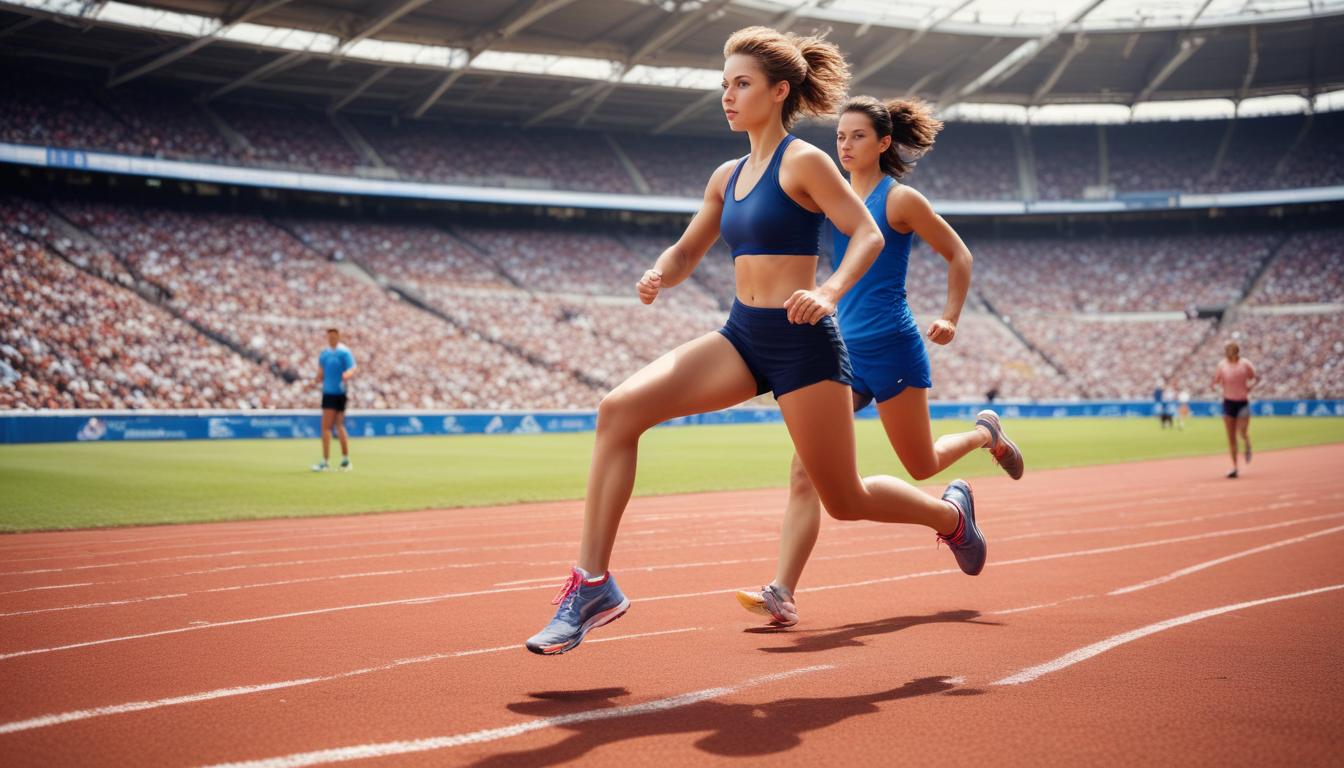
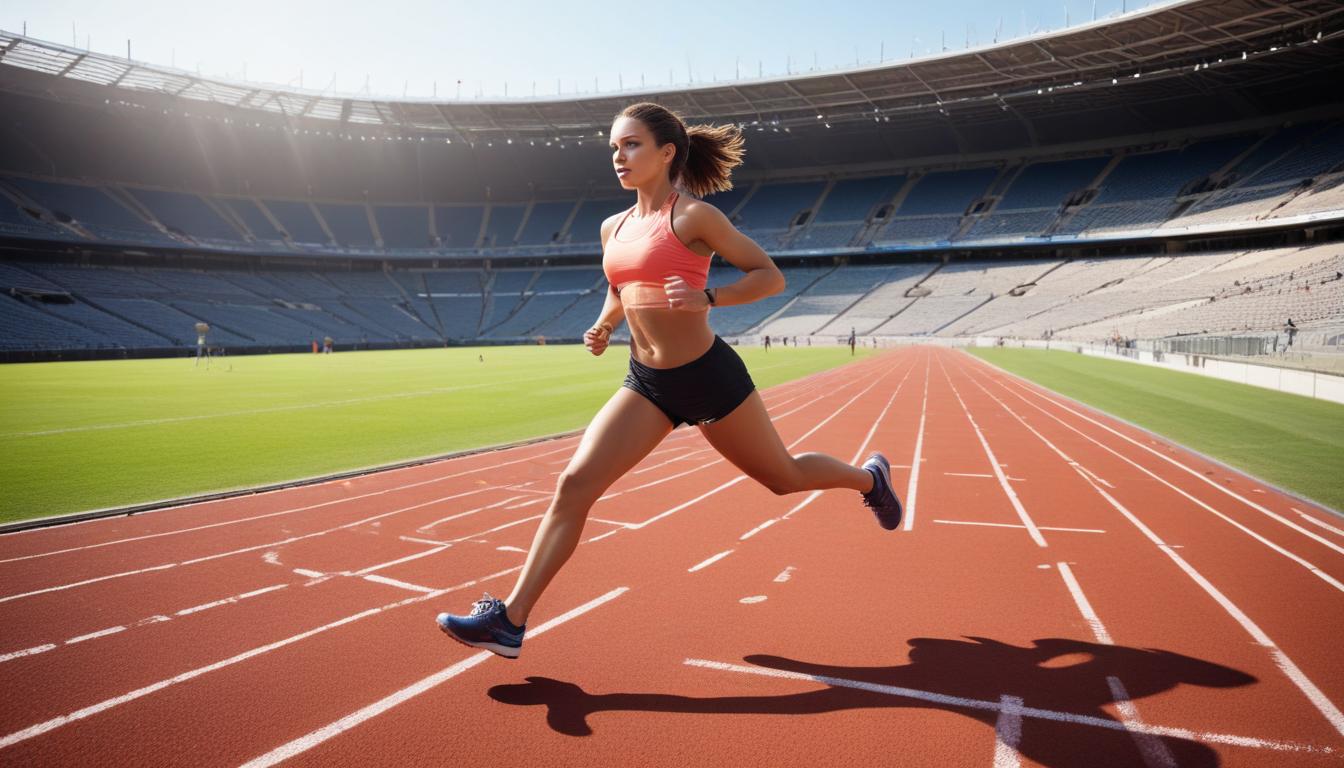
What distinguishes Milan's current moment is infrastructure investment. The city administration has allocated €8.2 million through 2027 to renovate public sports facilities, with particular focus on underserved neighbourhoods like Quarto Oggiaro and Gratosoglio. New futsal courts, upgraded running tracks, and refurbished swimming pools are lowering participation barriers and democratising access.
The phenomenon reflects post-pandemic priorities. As Milanese reassess their relationship with urban living, recreational clubs offer something the professional sports calendar cannot: regular, affordable, social engagement. Walking distance matters. Affordability matters. Community matters.
Perhaps most tellingly, amateur clubs report waiting lists. The tennis clubs around Parco Lambro are booking courts months in advance. Running groups through the Parco Nord regularly attract 80-plus participants. Casual five-a-side football leagues operate nightly across the city's municipal pitches.
Milan's professional sports legacy remains world-class. But on the ground, in the neighbourhoods where most Milanese actually live, a different sports culture is flourishing—one measured not in trophies but in friendships forged, fitness gained, and communities steadily strengthened.
This article was compiled by AI from the sources linked above and screened before publishing. See our editorial standards.