Milan's Sporting Infrastructure: How World-Class Venues Keep the City Competitive
From the San Siro to cutting-edge training facilities across Lombardy, Milan's athletic infrastructure positions it as a global sports powerhouse.
From the San Siro to cutting-edge training facilities across Lombardy, Milan's athletic infrastructure positions it as a global sports powerhouse.

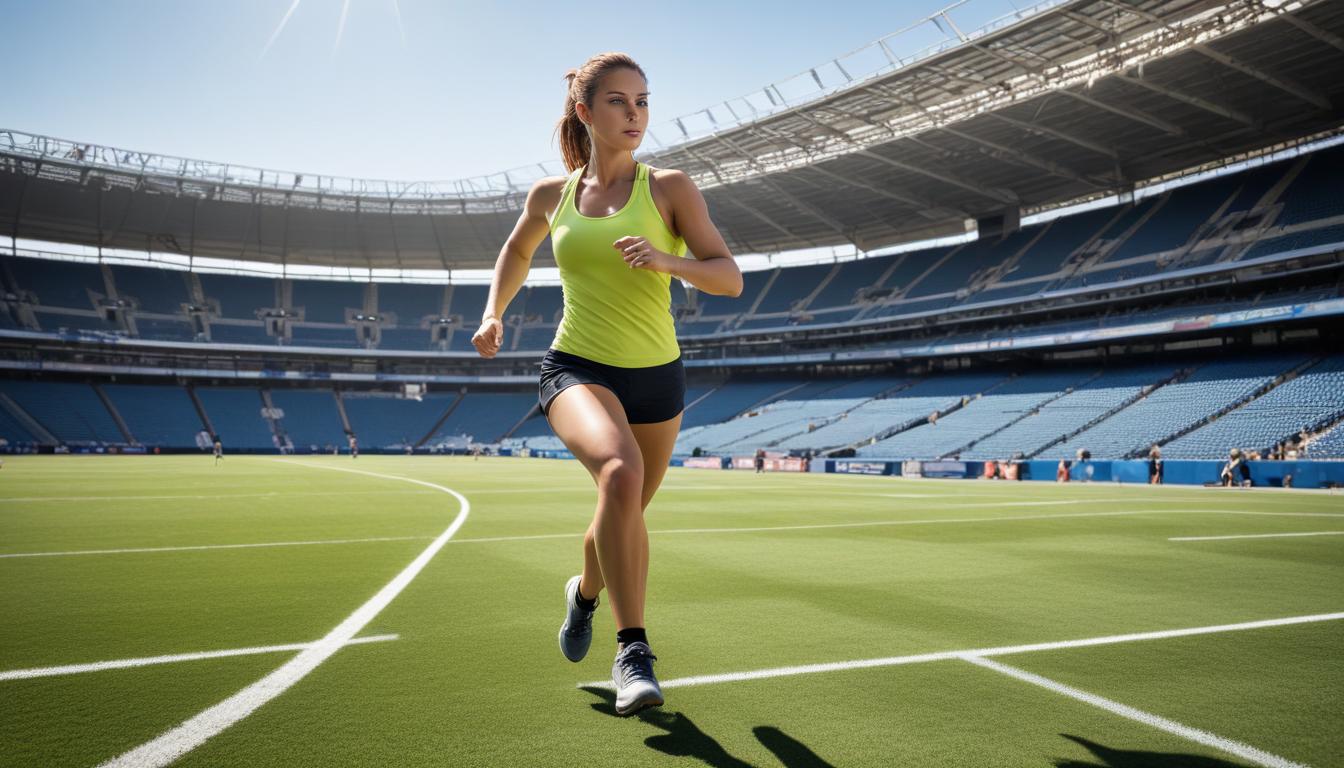
Milan's reputation as a sporting capital rests not merely on its two Serie A giants, but on an intricate web of modern facilities and infrastructure that draws athletes, teams, and international events to Lombardy year-round. The scale of investment in venues and supporting infrastructure underscores how seriously the city takes its place in global sport.
The San Siro stadium in the Meazza neighbourhood remains the cornerstone, with its 80,000-capacity structure hosting AC Milan and Inter Milan. Yet beyond this iconic ground, the city has systematically developed specialized facilities. The Vigorelli velodrome on Via Dello Sport hosts world-class track cycling events, while the Arenelle complex in the Precotto district provides four dedicated swimming pools—a crucial advantage for aquatic sports development. Investment in these pools alone exceeded €45 million during recent renovation cycles, reflecting municipal commitment to Olympic-standard training environments.
The PalaSesto ice hockey arena in the eastern suburbs represents another critical piece. With a 4,500-seat capacity and NHL-grade ice maintenance systems, it positions Milan as a serious contender for Winter Olympic consideration. Similarly, the Palazzo dello Sport in the Lido district serves volleyball and basketball, venues that regularly host European championship matches.
What distinguishes Milan's approach is distributed infrastructure. Rather than concentrating everything in one zone, the city has spread specialized facilities across accessible neighbourhoods—reducing travel times for young athletes and embedding sport into the urban fabric. The tennis facilities at Bolgeri, nestled between residential areas, serve 2,000 members and consistently produce Italian national-level competitors.
Training infrastructure deserves particular attention. The Centro Federale di Preparazione Olimpica in Assago, roughly 20 kilometres southwest, operates as a state-of-the-art multimodal complex where athletes across disciplines—from rowing to weightlifting—access world-class coaching, medical services, and strength facilities. Running costs exceed €12 million annually, supported by Italian Olympic Committee funding and private partnerships.
Accessibility matters too. Integrated metro connections link major venues; the San Siro sits minutes from both the red and green lines, while the Assago centre connects directly to regional rail. This infrastructure removes barriers to participation and spectatorship alike.
As Milan bids for future Olympic hosting and major international tournaments, these facilities form its compelling argument. The city isn't merely home to famous teams—it's built an entire ecosystem designed to nurture athletic excellence from grassroots through elite levels, making sport a lived reality across every neighbourhood from Sant'Ambrogio to the outer ring.
This article was compiled by AI from the sources linked above and screened before publishing. See our editorial standards.
How does this story make you feel?
Spread the word
About this article
Published by The Daily Milan
Daily brief
Free, in your inbox before 7am. Weekdays.
More in Sport