Milan's Rush-Hour Exodus: How Remote Work Is Reshaping Daily Life for Commuters
As coworking spaces proliferate across the city's neighbourhoods, thousands of Milanese are ditching the nightmare Centrale commute for a radically different workday.
As coworking spaces proliferate across the city's neighbourhoods, thousands of Milanese are ditching the nightmare Centrale commute for a radically different workday.
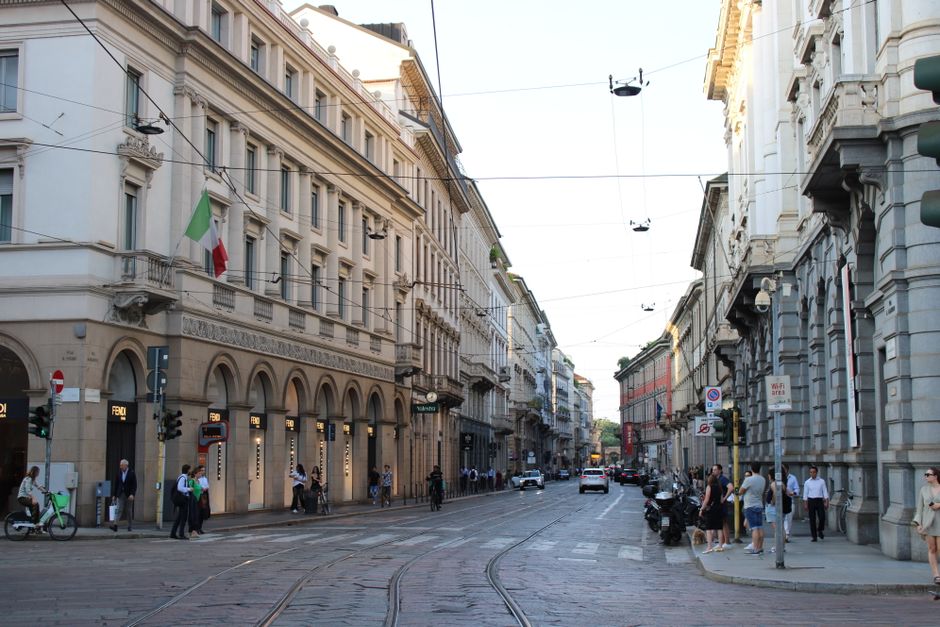
For decades, the 7:45am crush toward Milano Centrale has been as inevitable as the Italian summer heat. But step into any coworking space across Milan's eastern neighbourhoods these days, and you'll sense something has fundamentally shifted in how this city's workforce moves through its day.
The numbers tell a striking story. According to a 2025 survey by the Milan Chamber of Commerce, approximately 34 per cent of white-collar workers in the metropolitan area now work remotely at least three days weekly. That translates to roughly 180,000 fewer commuters during peak hours—a seismic change for a city whose transport infrastructure was built around absolute predictability.
Walk down Via Torino or through the Navigli district on a Tuesday morning, and you'll spot them: the coworking converts, laptop bags slung across shoulders, ducking into neighbourhood offices instead of boarding the red Line 1. Spaces like WeSpace in Porta Venezia and the newer Hub Milano locations in Lambrate have transformed what were once sleepy residential corridors into bustling microhubs of activity.
The ripple effects are tangible. Neighbourhood coffee shops report a 22 per cent increase in daytime footfall since 2023. Small restaurants tucked along Viale Monza, previously reliant on dinner service, now count regular lunchtime crowds of remote workers conducting video calls from corner tables. The economics have shifted too: monthly coworking memberships in Milan's central zones range from €250 to €450, far cheaper than the combined cost of public transport passes and central office real estate.
But the transformation cuts deeper than commerce. Parents near Brera now collect children at 3:15pm without negotiating traffic jams. Office workers report spending 7-10 extra hours weekly at home, fundamentally altering domestic routines and neighbourhood rhythm. Local gyms report morning class attendance up 18 per cent. The suburban rush that defined Milan's identity for fifty years is slowly unravelling.
Not everyone celebrates. Traditional office landlords in the Porta Nuova financial quarter report vacancy rates climbing toward 15 per cent. Small transport contractors have seen income decline. Yet city planners see opportunity: with commute times shrinking, Milan's notorious air quality shows marginal improvement, and the city's 1.3 million residents are reclaiming hours previously lost to gridlock.
By 2026, Milan isn't becoming a remote-work capital exactly. But it's becoming something subtly different: a city learning to breathe again.
This article was compiled by AI and screened before publishing. See our editorial standards.
How does this story make you feel?
Spread the word
About this article
Published by The Daily Milan
Daily brief
Free, in your inbox before 7am. Weekdays.
More in tech


