Milan's Startup Boom: Inside the €2.3 Billion Venture Capital Rush Reshaping the City
Once overlooked by European tech investors, Milan has become a magnet for venture capital—and the numbers reveal why the momentum shows no signs of slowing.
Once overlooked by European tech investors, Milan has become a magnet for venture capital—and the numbers reveal why the momentum shows no signs of slowing.
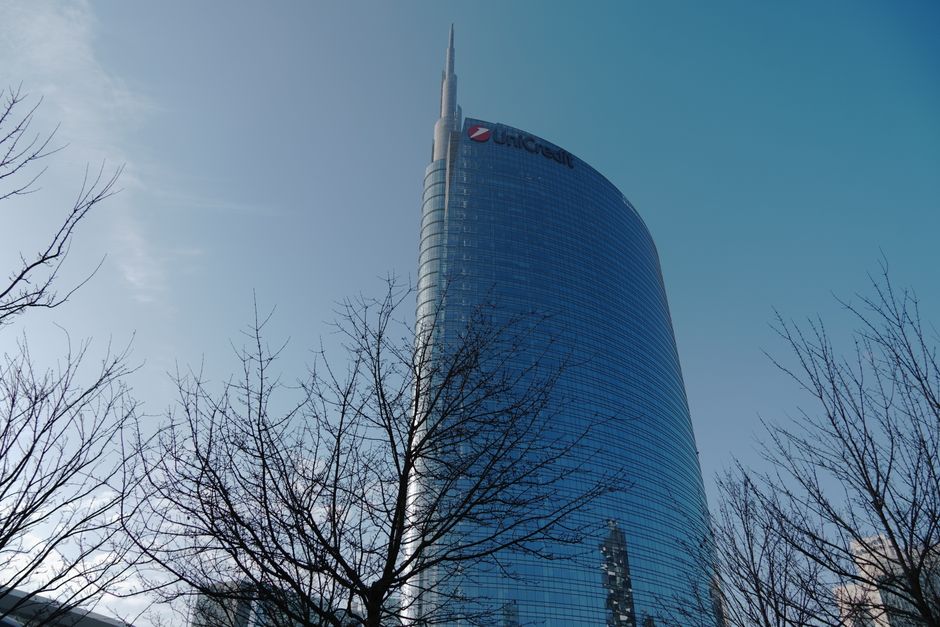
Walk through Porta Romana or the renovated warehouses of Lambrate, and you'll see the physical transformation of Milan's tech ecosystem. But the real story lies in the investment figures that are remaking the city's economic landscape.
According to recent venture capital data, Milan attracted €2.3 billion in startup funding across 2024 and 2025—a sevenfold increase from a decade ago. This explosive growth reflects a fundamental shift: the city is no longer competing for scraps in Europe's tech hierarchy, but establishing itself as a serious alternative to London, Berlin, and Paris.
The catalyst? A combination of factors. Real estate remains significantly cheaper than comparable tech hubs—a 150-square-metre office in the Isola neighbourhood now runs €1,800-2,200 monthly, compared to €3,500+ in central London. Coupled with Italy's generous startup tax incentives—including the super-deduction scheme allowing 110 per cent deductions on certain R&D costs—the economics have become compelling for founders and investors alike.
The institutional support has matured considerably. Organisations like the Milan Chamber of Commerce have formalised partnerships with tier-one venture firms, whilst dedicated accelerators such as H-Farm's satellite operations and JVP's expanded Italian presence have created proper pipeline infrastructure. Major international firms including Balderton Capital, Accel, and Sequoia have opened or expanded Milan offices, signalling genuine long-term commitment rather than opportunistic scouting.
Sectoral focus matters too. Milan startups have clustered around fashion-tech, logistics innovation, and healthcare solutions—sectors where the city's existing industrial base provides competitive advantage. Companies in these verticals find access to domain expertise, manufacturing networks, and distribution channels that exist nowhere else in Europe.
The funding landscape itself has diversified. Whilst early-stage seed rounds still dominate, late-stage capital has grown dramatically. Last year saw three €100 million+ Series C and D rounds close in the city, compared to none in 2019. This signals investor confidence extending beyond the founder excitement phase into genuine commercial validation.
That said, challenges persist. Brain drain toward established tech capitals remains a concern—recruiting senior engineering talent still requires higher salaries than five years ago. International profile lags behind peers; many quality Milan startups still raise diaspora funding before gaining institutional recognition.
Yet the trajectory is clear. With venture capital deployment accelerating, institutional infrastructure solidifying, and cost advantages creating real arbitrage opportunities, Milan has transitioned from emerging contender to established player. The €2.3 billion invested isn't just capital—it's the quantifiable proof of a ecosystem finally hitting critical mass.
This article was compiled by AI and screened before publishing. See our editorial standards.
How does this story make you feel?
Spread the word
About this article
Published by The Daily Milan
Daily brief
Free, in your inbox before 7am. Weekdays.
More in tech


