Why Milan's Digital Transformation Stands Apart in Europe's Smart City Race
Fashion heritage, design DNA, and a rare blend of old-money backing and startup hunger have created a govtech ecosystem that's reshaping how cities think about technology.
Fashion heritage, design DNA, and a rare blend of old-money backing and startup hunger have created a govtech ecosystem that's reshaping how cities think about technology.
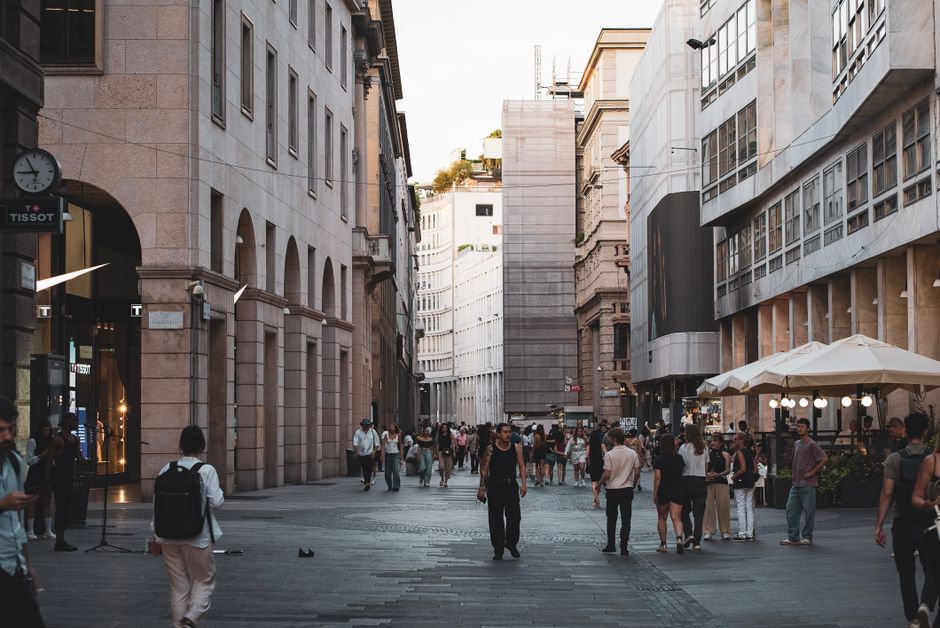
Walk through the Navigli district on any weekday evening, and you'll spot them: clusters of engineers and civic technologists huddled in converted warehouse spaces, designing systems that manage everything from traffic flow on Via Torino to water quality in the Lambro River. This is Milan's distinctive answer to the smart city challenge—and it's nothing like Berlin's or Barcelona's.
The difference lies in Milan's unique positioning at the intersection of three powerful forces. First, there's the city's legendary design culture. Unlike purely engineering-driven govtech hubs, Milan's digital transformation is aesthetically informed. The city's Department of Digital Innovation, headquartered near the Centrale station, explicitly hires interaction designers alongside software architects. "User experience isn't an afterthought here," explains the ecosystem's prevailing philosophy. Citizen-facing platforms handle everything from parking permits to cultural event bookings with the polish you'd expect from a Milanese fashion house.
Second is capital access. Milan's established wealth—from manufacturing dynasties to fashion conglomerates—has created what locals call the "patient capital" model. Major funding rounds for govtech startups regularly exceed €5-8 million, significantly higher than comparable European cities. Companies like those incubated at the Politecnico di Milano's innovation hub have time to develop solutions rather than chase quarterly metrics.
Third, and most overlooked, is regulatory pragmatism. The Lombardy region has granted Milan unusual autonomy to experiment with digital procurement, blockchain-based permitting, and autonomous traffic systems. Since 2024, the city has piloted over 40 distinct govtech initiatives—from AI-powered waste sorting to predictive maintenance for the metro system—with minimal bureaucratic friction that would paralyse other cities.
The numbers reflect this momentum. Milan's digital transformation budget hit €340 million in 2025, with nearly 18% directed specifically to civic technology—double the European average. The city hosts approximately 280 dedicated govtech companies, up 62% since 2022, concentrated in areas like Porta Nuova and the emerging Navigli tech corridor.
What truly distinguishes Milan, however, is its refusal to separate smart city development from cultural identity. While other European cities chase efficiency metrics, Milan's approach weaves digital innovation into the city's storytelling. The restored Monumental Cemetery now has a digital wayfinding system designed by local artists. The Duomo's visitor management uses AI, but the aesthetic experience remains paramount.
As govtech budgets tighten across Europe, Milan's synthesis of design, capital, and regulatory courage offers a template: smart cities don't have to choose between efficiency and elegance. They can, it turns out, be distinctly themselves.
This article was compiled by AI and screened before publishing. See our editorial standards.
How does this story make you feel?
Spread the word
About this article
Published by The Daily Milan
Daily brief
Free, in your inbox before 7am. Weekdays.
More in tech


