Milan's Tech Giants Reveal Ambitious Product Roadmaps for 2027-2028
From AI-powered fashion platforms to sustainable hardware initiatives, the city's innovation leaders are charting a new course for European tech competitiveness.
From AI-powered fashion platforms to sustainable hardware initiatives, the city's innovation leaders are charting a new course for European tech competitiveness.
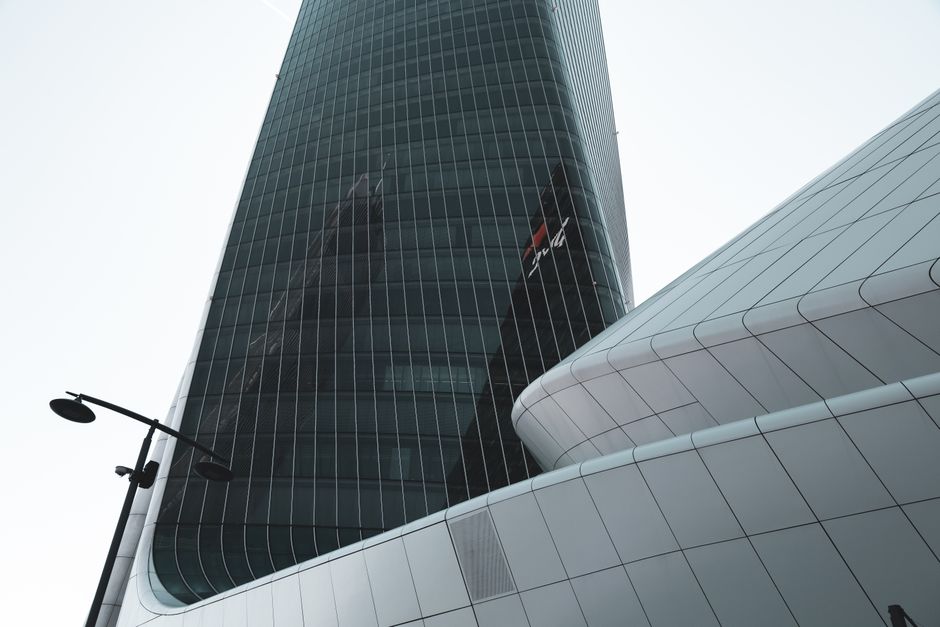
Milan's technology sector is entering a critical inflection point. As we head into the second half of 2026, the city's major players and emerging startups are unveiling product roadmaps that signal a marked shift toward AI integration, sustainability, and fashion-tech convergence—sectors where Milan maintains distinct competitive advantages.
In the Navigli district, where tech incubators and creative studios now cluster alongside traditional aperitivo bars, several companies are doubling down on generative AI applications tailored to European regulation. One prominent player announced plans to launch a suite of enterprise tools specifically designed for mid-market manufacturers by Q2 2027, with particular focus on supply chain optimization—a critical issue for Milan's industrial base, which manages approximately €180 billion in annual manufacturing output.
The fashion-tech nexus has proven especially fertile ground. Companies operating from offices along Via Torino and in the emerging Porta Romana innovation district are developing next-generation virtual try-on platforms that leverage computer vision and neural rendering. These tools are expected to reach commercial availability by early 2027, with projections suggesting they could reduce return rates in e-commerce by up to 35 percent—a figure that matters significantly to Milan's fashion retailers, who collectively account for roughly 12 percent of Italy's total export value.
Sustainability initiatives are equally prominent. Several startups are targeting hardware certification standards that align with the EU's circular economy directives, planning product launches throughout 2027. One company working from the Bocconi Innovation Hub has committed to releasing a refurbished electronics marketplace platform by autumn 2027, with targets to process 50,000 devices annually within three years.
Infrastructure investments are backing these ambitions. The Milan Digital Week organizers announced €25 million in public-private funding for deep-tech research initiatives, with deployment beginning in autumn 2026. Meanwhile, venture capital activity in the city has remained surprisingly robust, with Q1 2026 seeing €340 million in funding across the region—suggesting investor confidence in Milan's trajectory despite broader European economic headwinds.
The landscape reflects a maturing ecosystem. Unlike previous cycles driven largely by B2C platforms, today's roadmaps emphasize B2B2C models, regulatory compliance, and infrastructure-level innovation. For Milan—competing globally against Berlin, Stockholm, and London—this represents both opportunity and necessity. The city's technical talent pool remains strong, though retention challenges persist as some engineers migrate toward larger European hubs.
By 2028, these roadmaps could reshape how Europe approaches fashion technology, enterprise AI, and circular hardware economics. Success, however, depends on continued investment, regulatory clarity, and the city's ability to attract and retain specialized talent across these high-value domains.
This article was compiled by AI and screened before publishing. See our editorial standards.
How does this story make you feel?
Spread the word
About this article
Published by The Daily Milan
Daily brief
Free, in your inbox before 7am. Weekdays.
More in tech


