Milan's Green Tech Dream: Who Pays the Hidden Cost?
As the city pivots toward sustainability, local innovators and residents grapple with uncomfortable truths about supply chains, affordability, and environmental justice.
As the city pivots toward sustainability, local innovators and residents grapple with uncomfortable truths about supply chains, affordability, and environmental justice.
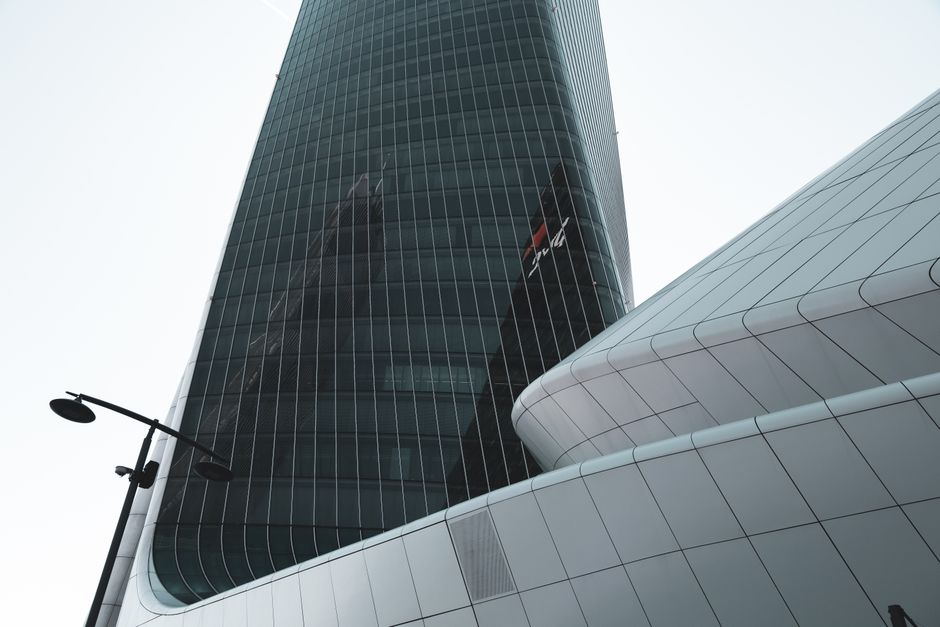
Walk through the Navigli district on any given Tuesday and you'll see the Milan of 2026: solar panels dotting converted warehouses, electric delivery bikes zipping past cafés, startup founders debating carbon neutrality over espresso at venues like BASE Milano. The city has positioned itself as Italy's clean energy hub, with the metropolitan area targeting carbon neutrality by 2030. Yet beneath this gleaming narrative lies a murkier reality that tech entrepreneurs and policymakers are only beginning to confront.
The promise is tangible. Last year, Milan saw a 23% increase in renewable energy installations, driven largely by rooftop solar initiatives and micro-hydroelectric projects along the restored Navigli canals. Battery storage companies have clustered in the San Cristoforo neighbourhood, creating hundreds of tech jobs. But the questions mounting in city council meetings and sustainability forums are harder to answer.
Take cobalt mining. The lithium-ion batteries powering Milan's growing fleet of e-buses—150 vehicles now operating routes through the historic centre—depend on minerals extracted under conditions that human rights groups have flagged repeatedly. A recent report by local NGO Giustizia Ambientale found that neither major European battery manufacturers nor the Milanese companies sourcing from them maintain transparent supply chain audits. The ethical gap between a zero-emission city bus and the mining communities subsidising it remains largely invisible to commuters.
Cost presents another fracture. While wealthier neighbourhoods in Brera and Porta Romana boast private solar installations and charge-point networks, residents in San Siro and Quarto Oggiaro—where rents hover around €800 monthly—have minimal access to renewable technology. Green energy retrofits can cost €15,000 to €25,000 per household. Without subsidies, sustainability becomes a luxury good, deepening Milan's existing inequality.
Waste, too, complicates the narrative. The city's push toward electric vehicles and renewable infrastructure generates tonnes of electronic waste and decommissioned solar panels. Milan's recycling infrastructure, while advanced, isn't equipped to handle the volume. Much of it gets exported to facilities in Eastern Europe and Southeast Asia—shifting the environmental burden rather than solving it.
At conferences held at the Polytechnic's design campus, speakers increasingly acknowledge these contradictions. The conversation is shifting from "how do we go green?" to "whose interests does green serve?" That harder question—uncomfortable, costly, demanding of systemic change—is precisely the one Milan's tech scene needs to answer if its sustainability ambitions are to mean more than just better optics for venture capitalists.
This article was compiled by AI and screened before publishing. See our editorial standards.
How does this story make you feel?
Spread the word
About this article
Published by The Daily Milan
Daily brief
Free, in your inbox before 7am. Weekdays.
More in tech


