Milan's Cybersecurity Boom: How €400M in VC Funding Is Reshaping Europe's Digital Defence
A cluster of startups in Porta Nuova and Isola is attracting unprecedented investment as enterprises across the continent demand stronger privacy protections.
A cluster of startups in Porta Nuova and Isola is attracting unprecedented investment as enterprises across the continent demand stronger privacy protections.
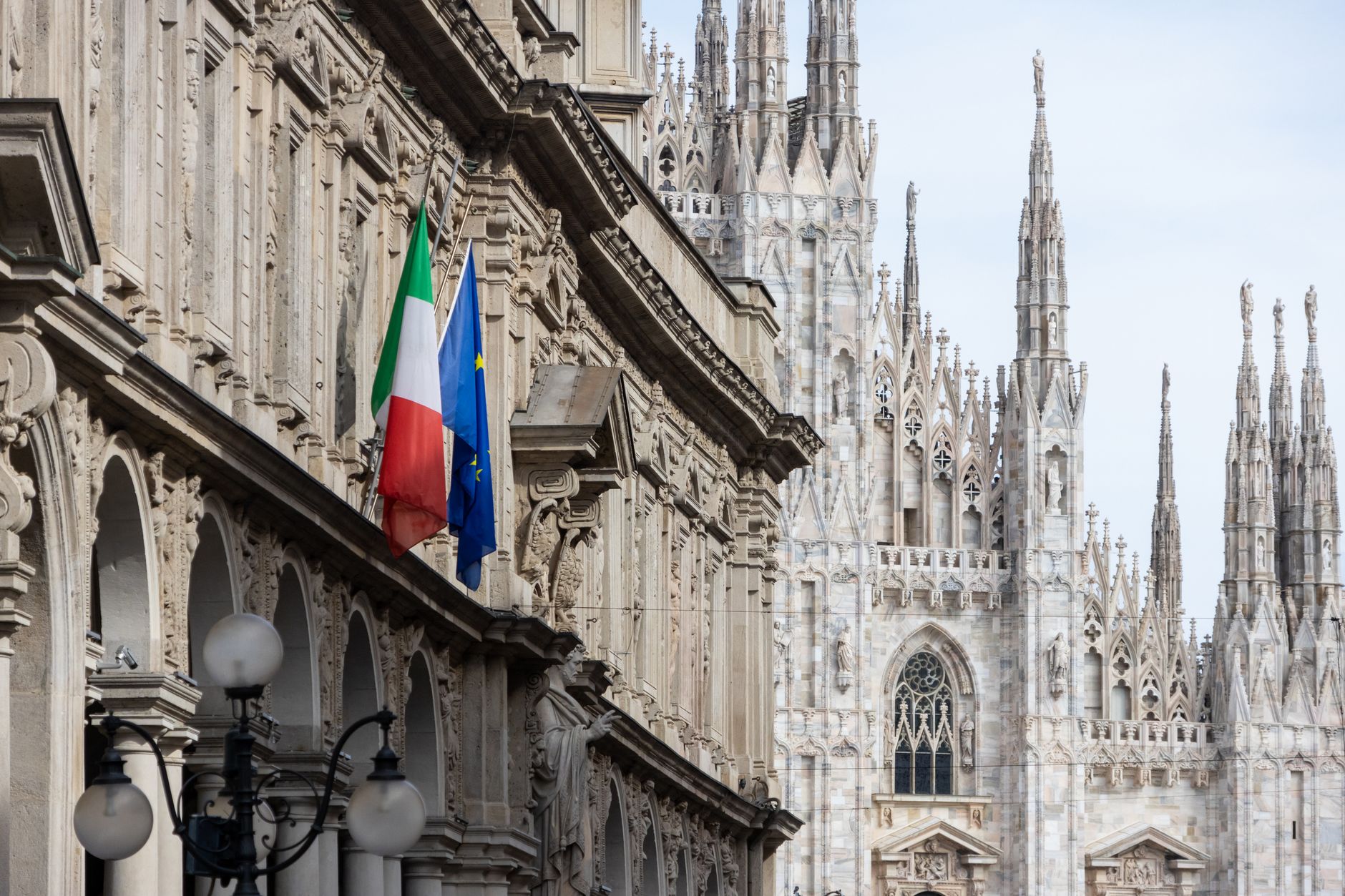
Milan's technology corridor has quietly become one of Europe's fastest-growing cybersecurity hubs, with venture capital flowing into the city's digital safety sector at rates not seen since the cloud computing rush of the early 2010s. Over the past eighteen months, investors have committed approximately €400 million to cybersecurity firms headquartered or substantially operating in the Lombard capital, according to data compiled by regional tech investment tracking groups.
The investment surge reflects a fundamental shift in how European enterprises—particularly in finance, healthcare, and manufacturing—approach data protection. "Post-pandemic, regulatory pressure from the EU Digital Services Act and increasing ransomware sophistication have created genuine demand," explains the landscape of firms now clustering around Via Torino and the Isola neighbourhood, where lower commercial rents than central London or Berlin have attracted teams from across the continent.
One driver has been the maturation of Milan-area startups into Series B and C rounds. Companies focused on zero-trust architecture, API security, and encrypted communications have found receptive audiences among Italian banks along Corso Magenta and multinational manufacturers in the surrounding Lombardy region. A typical Series B raise in the sector now targets €8–15 million, up from €3–5 million three years ago.
The Politecnico di Milano's cybersecurity research groups have become talent pipelines, with graduates frequently launching ventures or joining established players. Proximity to major financial institutions—UniCredit's headquarters sits minutes from Stazione Centrale—has created natural customer relationships and advisory board recruitment pools.
International players have taken notice. In 2024 and 2025, three significant acquisitions of Milan-based security firms by larger European and North American tech companies signalled confidence in the city's engineering talent. Meanwhile, established security firms including Cisco and Fortinet have expanded Milan offices to tap local expertise.
Challenges persist. Accessing top-tier funding remains easier for startups in London or Berlin, and Milan's historical strength in fashion and design means cybersecurity talent sometimes competes with established creative industries for attention. Salaries for senior security engineers—typically €70,000–120,000 annually—remain slightly below Stockholm or Amsterdam rates.
Still, Milan's combination of regulatory pressure, enterprise demand, technical talent, and affordable operational costs has created what investors increasingly view as a sustainable ecosystem. By 2027, analysts project the city could host 150+ cybersecurity companies, up from roughly 60 today. For Milan's tech community, the shift represents a genuine diversification beyond its traditional strongholds—and a €400-million vote of confidence in that transition.
This article was compiled by AI and screened before publishing. See our editorial standards.
How does this story make you feel?
Spread the word
About this article
Published by The Daily Milan
Daily brief
Free, in your inbox before 7am. Weekdays.
More in tech


