Milan's fintech scene is quietly reshaping European banking: here's what's happening right now
From Porta Nuova to Navigli, a new generation of startups is building the payment infrastructure that traditional banks wish they'd invented first.
From Porta Nuova to Navigli, a new generation of startups is building the payment infrastructure that traditional banks wish they'd invented first.
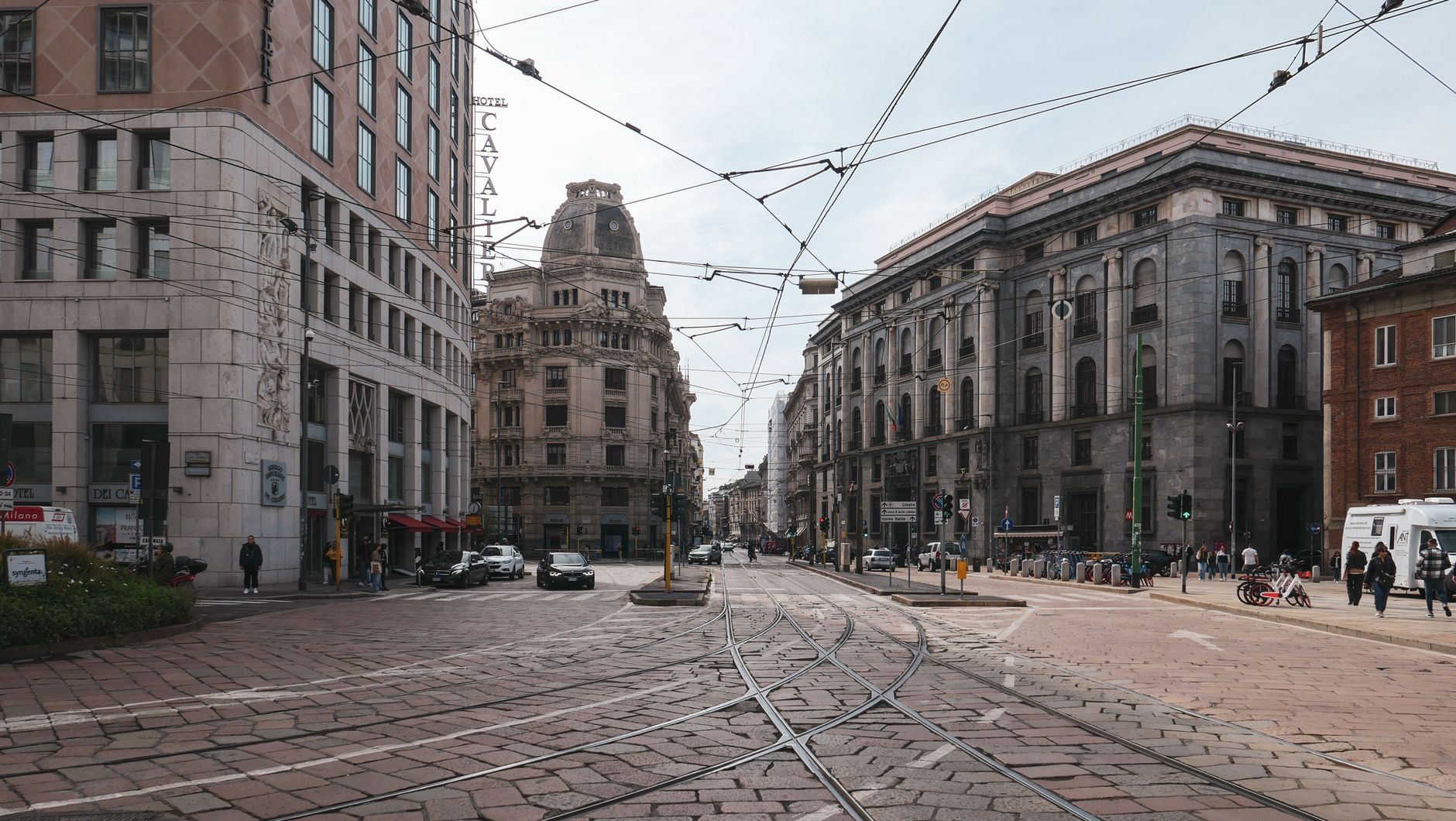
Walk through the converted lofts around Zona Tortona on any given Tuesday, and you'll find Milan's fintech community huddled over laptops, debating API architecture over espresso. What was once dismissed as a secondary tech hub has quietly become one of Europe's most dynamic fintech ecosystems, rivalling Berlin and competing for attention against London's established scene.
The numbers tell a striking story. Over €850 million flowed into Milan-based fintech startups in 2025 alone—a 34% increase from 2024. More than 190 fintech companies now operate from the metropolitan area, with roughly 60% focused on B2B payments, lending platforms, and embedded finance solutions. Many cluster around the business district near Centrale station and the increasingly trendy Isola neighbourhood, where venture capital offices have multiplied faster than new aperitivo bars.
What's driving this momentum? Several factors converge. First, Milan's traditional banking sector—anchored by institutions like Intesa Sanpaolo and UniCredit—has created both talent and friction. Frustrated engineers and product managers leaving conservative corporate environments have become serial entrepreneurs. Second, the city's position as Italy's financial capital means regulatory access and compliance expertise are abundant.
The innovation focus has shifted noticeably this year. While 2024 saw a consumer-focused boom—buy-now-pay-later platforms and neobanks—2026 is all about B2B infrastructure. Companies building APIs for SMEs, supply chain financing tools, and cross-border payment rails are raising the largest cheques. Three major Series B rounds closed in the last four months alone, each exceeding €25 million.
The infrastructure supporting this growth is maturing rapidly. Hub locations like BASE Milano in Porta Nuova and Luiss Enlabs on Via Gattamelata now host accelerator cohorts specifically dedicated to fintech founders. Monthly meetups at venues across Brera and Navigli draw 200-300 attendees—a far cry from the 30 or 40 who showed up three years ago.
Challenges persist, naturally. Regulatory complexity across the EU remains a headache. Talent acquisition is competitive; top engineers are lured away by London and Berlin offers. And market saturation in consumer fintech means survival increasingly depends on genuine differentiation, not just another payments app.
Yet the consensus among investors and founders is unmistakable: Milan is no longer Italy's tech appendix. It's become a genuine European fintech contender, building boring but essential infrastructure that moves billions. That's a far more sustainable story than consumer hype cycles ever were.
This article was compiled by AI and screened before publishing. See our editorial standards.
How does this story make you feel?
Spread the word
About this article
Published by The Daily Milan
Daily brief
Free, in your inbox before 7am. Weekdays.
More in tech


