Why Milan's Smart City Blueprint Is Becoming a Global Template
As cities worldwide rush to digitise, Milan's unconventional approach to gov tech and urban innovation offers lessons that Silicon Valley can't.
As cities worldwide rush to digitise, Milan's unconventional approach to gov tech and urban innovation offers lessons that Silicon Valley can't.
Walk through the Navigli district on any weekday morning and you'll notice something that most visitors miss: the city's digital transformation isn't happening in gleaming startup hubs or corporate campuses. Instead, it's unfolding in converted warehouses, civic labs, and unexpected partnerships between municipal bureaucrats and technologists that would baffle traditional Silicon Valley watchers.
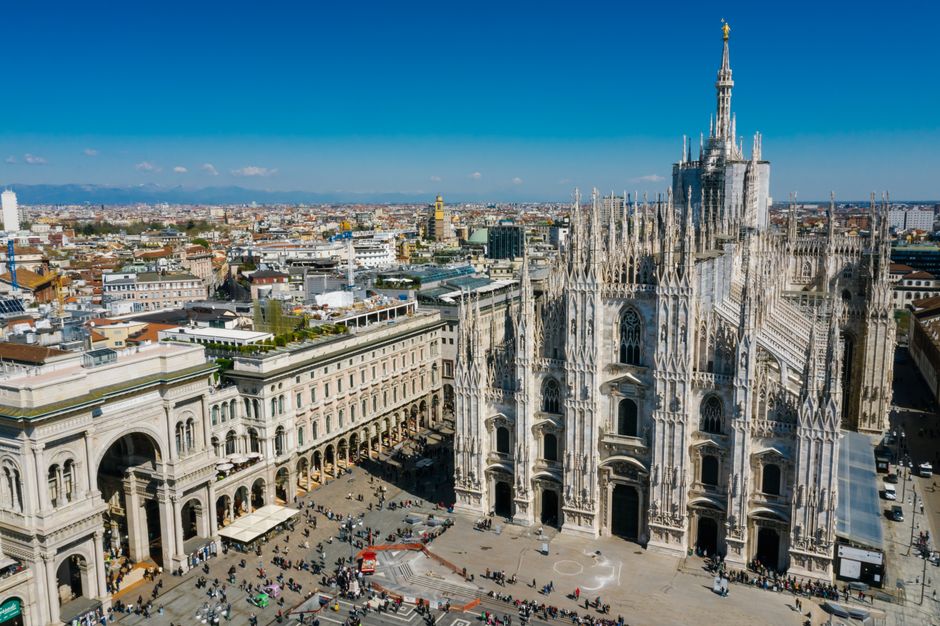
This distinction matters. While other major cities chase headlines with flashy smart city contracts, Milan has built something rarer—a civic tech ecosystem that actually makes governance work better. The city's recent digital overhaul, centred around Piazza Duomo's municipal innovation district, has attracted attention from Barcelona to Singapore precisely because it sidesteps the usual pitfalls of top-down tech implementation.
The numbers tell part of the story. Milan's digital services platform now handles over 2.3 million citizen interactions annually, with a 78% satisfaction rate. More impressively, the city reduced permit processing times from 45 days to an average of 8 by digitising workflows—not through expensive consultants, but through collaborative redesign with actual civil servants. That's the Milan model: technology as a tool for institutional improvement, not replacement.
What makes this ecosystem distinctive is its foundation in Milan's existing strengths. The city already possessed deep design expertise from fashion and industrial sectors; the smart city transition simply applied those disciplines to public administration. Studios in Brera and the Isola neighbourhood started consulting for municipal projects. Design schools at Politecnico di Milano began embedding students directly in government offices. The boundary between civic innovation and creative practice dissolved.
Crucially, Milan rejected the venture capital model that dominates elsewhere. Most growth came through municipal bonds and EU funding mechanisms, meaning local accountability stayed high and corporate interests stayed manageable. When the city's open data initiative launched three years ago—making 400+ datasets publicly available—there was no predatory unicorn waiting to monetise them.
The real test came during the pandemic. While other cities scrambled to implement digital services under crisis conditions, Milan's infrastructure adapted relatively smoothly. The groundwork had created resilient, human-centred systems rather than brittle, innovation-theatre installations.
Today, cities from Copenhagen to Lisbon are studying Milan's approach. They're learning that smart city transformation isn't about having the latest technology—it's about institutional culture, citizen trust, and whether your tech actually serves democracy or merely optimises extraction. Milan's proving that the most distinctive competitive advantage isn't innovation speed. It's wisdom about what cities are actually for.
This article was compiled by AI and screened before publishing. See our editorial standards.
How does this story make you feel?
Spread the word
About this article
Published by The Daily Milan
Daily brief
Free, in your inbox before 7am. Weekdays.
More in tech


