Milan's Secret Weapon: Why Fashion Money is Remaking European Tech
The city's distinctive blend of luxury capital, design heritage, and fashion-tech convergence is creating a venture ecosystem unlike anywhere else in Europe.
The city's distinctive blend of luxury capital, design heritage, and fashion-tech convergence is creating a venture ecosystem unlike anywhere else in Europe.
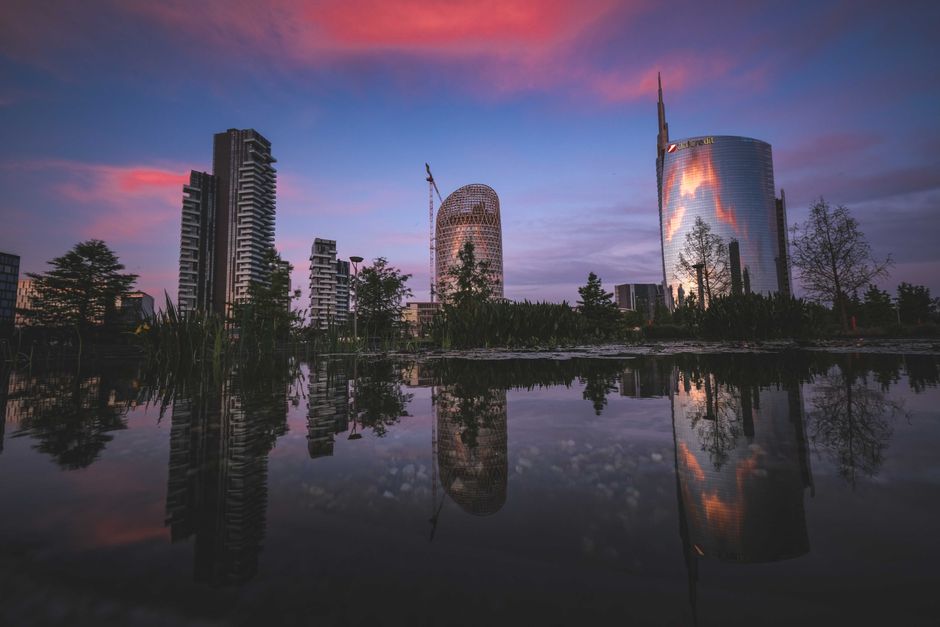
Walk into any espresso bar along Corso Como and you'll overhear conversations that reveal Milan's unique position in European venture capital: seasoned investors from LVMH and Kering discussing Series A rounds with founders who cut their teeth designing interfaces for heritage brands.
This collision of old money and new tech has created something rare. While Berlin chases pure software plays and London focuses on fintech, Milan's startup ecosystem—concentrated in neighbourhoods like Navigli and the emerging Porta Romana district—has attracted €2.3 billion in venture funding over the past three years, with a distinctive slant toward what locals call "luxury tech."
The numbers tell part of the story. Milan hosts over 1,200 active startups, according to recent innovation reports, but the quality of capital flowing in reflects something deeper: an ecosystem that doesn't apologize for marrying commerce with creation. E-commerce platforms, sustainable fashion tech, digital showroom solutions, and supply-chain transparency tools dominate the landscape—sectors that only thrive when you understand both code and cashmere.
"The fashion industry here isn't a vertical to penetrate," explains the logic implicit in how Milanese VCs approach dealmaking. "It's a partner ecosystem worth €60 billion annually in Lombardy alone." Firms like Vertis, based in the Brera design district, have built portfolios explicitly betting on this convergence. Young founders here don't pitch abstract problems; they pitch solutions to problems that Prada, Armani, and 500 smaller heritage labels actually pay to solve.
The infrastructure reflects this too. Unlike Silicon Valley's garage mythology or London's financial district clustering, Milan's tech infrastructure lives in converted palazzos on Via Tortona and co-working spaces in Isola that rent at €300-400 per desk—roughly half London prices, yet attracting world-class talent because of the city's gravity in luxury sectors.
This ecosystem's global distinctiveness lies in its refusal to choose between aesthetics and algorithms. While other European cities compete on pure technology metrics, Milan competes on something rarer: the ability to understand what billion-dollar industries actually need, married to the capital willing to fund it. When a Milan-based fashion-tech startup raises €15 million, it's not despite being rooted in luxury—it's precisely because of it.
For founders and investors betting on European tech in 2026, that difference isn't marginal. It's why Milan's venture ecosystem punches above its weight globally: it speaks the language that matters most to Europe's genuine wealth engines.
This article was compiled by AI and screened before publishing. See our editorial standards.
How does this story make you feel?
Spread the word
About this article
Published by The Daily Milan
Daily brief
Free, in your inbox before 7am. Weekdays.
More in tech


