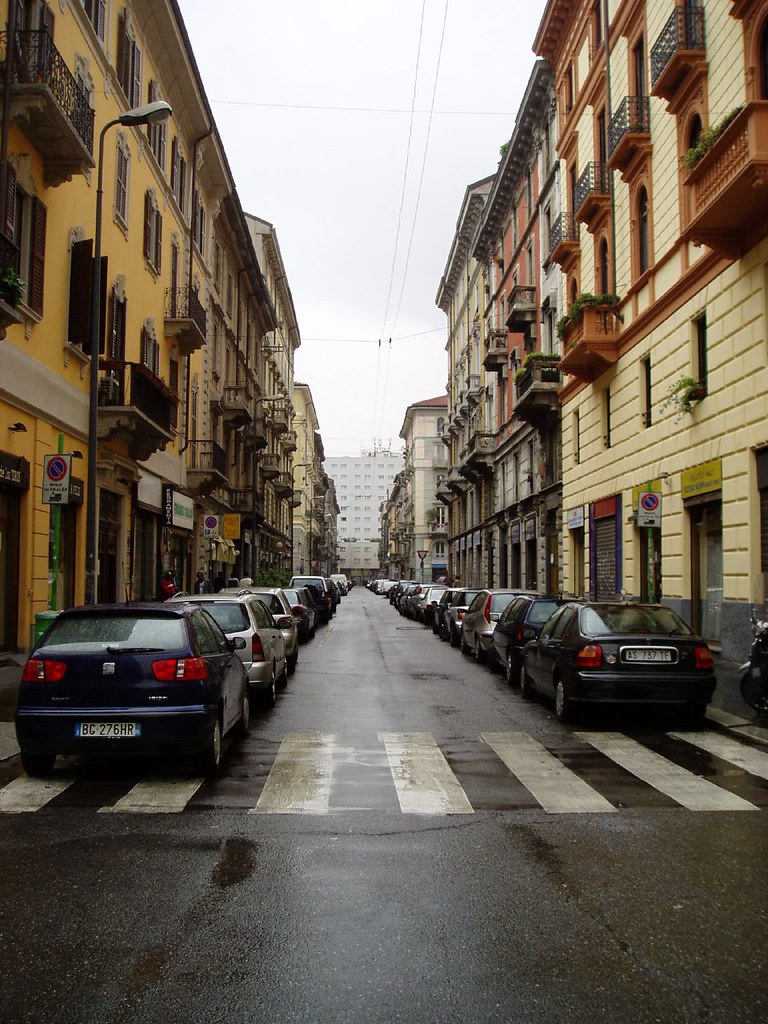
Milan's vibrant tech corridor, stretching from the startup hubs around Porta Nuova to the corporate offices clustered in the financial district near Piazza Affari, is booming—but it's also attracting sophisticated cyber threats. Job seekers and working professionals in the city face unprecedented risks when sharing personal data during recruitment processes, and cybersecurity experts warn that many remain dangerously unprepared.
Recent trends show that over 60% of professionals in Italy have experienced some form of digital credential theft or phishing attempt in the past year, according to industry security reports. Milan, as the nation's economic nerve centre, has become a particularly attractive hunting ground. Attackers are exploiting the competitive job market by creating fake LinkedIn profiles and fraudulent recruitment emails targeting candidates applying to positions at established companies—from design firms in Navigli to tech startups dotting the Isola district.
"The risk is real," warns Maria Rossi, head of cybersecurity at a major Milan-based consulting firm, in an interview conducted this week. When job seekers upload CVs to platforms or share documents via unsecured channels, they're often handing over names, addresses, phone numbers, and employment histories—a goldmine for identity theft and social engineering attacks.
For Milan's professionals, protection starts with behaviour. Verify recruitment contacts independently by calling companies directly rather than clicking links in unsolicited emails. Use unique, complex passwords for each online account—password manager tools cost between €20 and €40 annually. Enable two-factor authentication on all professional platforms, especially email and LinkedIn.
When applying for roles, avoid sharing sensitive information like your fiscal code (codice fiscale) until you've signed an employment contract. Many scammers pose as HR departments requesting premature documentation. Legitimate Milan-based employers, from established agencies in Via Dante to venture-backed companies in Zona 9, will never ask for payment upfront or unusual personal data.
Workers should also be wary of workplace networks. Even in secure office environments across the city—whether you're commuting to offices near Centrale Station or working remotely—use VPNs on unsecured Wi-Fi. Free public networks at cafés near Duomo or Sforza Castle are particularly vulnerable.
Milan's professional community is increasingly savvy, but complacency remains dangerous. The city's Chamber of Commerce now offers free cybersecurity webinars for job seekers—worth attending before your next application. In a city where opportunity and risk walk hand-in-hand, digital vigilance isn't optional.
This article was compiled by AI and screened before publishing. See our editorial standards.