Milan's Digital Wallet Revolution: How Fintech is Reshaping Daily Life for City Residents
From the Duomo to the Navigli, a generation of Milan residents is abandoning cash for apps—transforming everything from café payments to rent collection.
From the Duomo to the Navigli, a generation of Milan residents is abandoning cash for apps—transforming everything from café payments to rent collection.
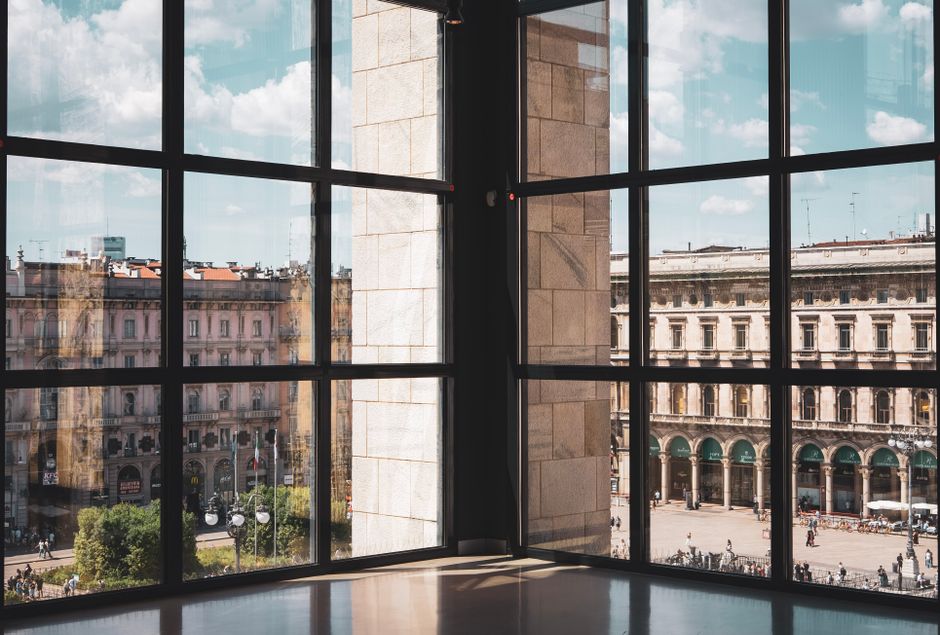
Walk into any espresso bar along Via Torino and you'll notice something remarkable: the traditional till has become almost quaint. At Caffè Vergnano near Piazza del Duomo, baristas now spend more time tapping smartphones than counting notes. For Milan's 1.3 million residents, fintech apps have quietly become the fabric of urban life, fundamentally reshaping how money moves through the city.
The shift is quantifiable. According to recent data from the Italian Banking Association, Milan leads Italy's digital payment adoption at 78 percent of transactions—nearly double the national average of 42 percent. For residents like those living in the increasingly cosmopolitan neighbourhoods of Navigli and Brera, mobile banking has become non-negotiable. Young professionals in the tech-heavy Porta Nuova district rarely carry cards, let alone cash.
"The convenience factor is undeniable," explains the ecosystem around apps like N26, Revolut, and Italian challenger bank Tinaba, which have captured significant Milan user bases. Rent payments—historically a bureaucratic nightmare involving bank transfers and endless documentation—now settle instantly through peer-to-peer platforms. A flat in the sought-after Zona Isola that might rent for €1,200 monthly can now be secured with a few app taps.
But the transformation extends deeper than convenience. Small businesses throughout Milan's craft districts—from jewellers in the Brera antique quarter to artisans near Sant'Ambrogio—have found that accepting digital payments has expanded their customer base. Transaction fees, once prohibitive for €8 cappuccino purchases, have compressed enough that café owners now actively encourage card and app payments over cash.
The cultural shift is equally profound. Milan's significant immigrant communities—particularly in neighbourhoods around Stazione Centrale—increasingly use fintech services to send remittances home at competitive rates, undercutting traditional wire transfer monopolies by as much as 60 percent. International students attending Politecnico and Università Statale use borderless banking apps to manage expenses across continents without currency conversion headaches.
Yet challenges remain. Elderly residents in outer neighbourhoods like Lambrate still prefer traditional banking. Digital divide concerns persist, particularly regarding financial literacy. And as Milan integrates deeper into Europe's fintech ecosystem, questions about data privacy and regulatory oversight loom larger.
Still, the trajectory is unmistakable. Milan—already Italy's economic engine—has become something more: a living laboratory for how fintech reshapes urban life, one transaction at a time.
This article was compiled by AI and screened before publishing. See our editorial standards.
How does this story make you feel?
Spread the word
About this article
Published by The Daily Milan
Daily brief
Free, in your inbox before 7am. Weekdays.
More in tech


