Why Milan's AI Boom Defies Silicon Valley's Playbook
As artificial intelligence reshapes global business, Milan's tech sector is carving a distinctly European path—blending fashion-forward innovation with manufacturing precision.
As artificial intelligence reshapes global business, Milan's tech sector is carving a distinctly European path—blending fashion-forward innovation with manufacturing precision.
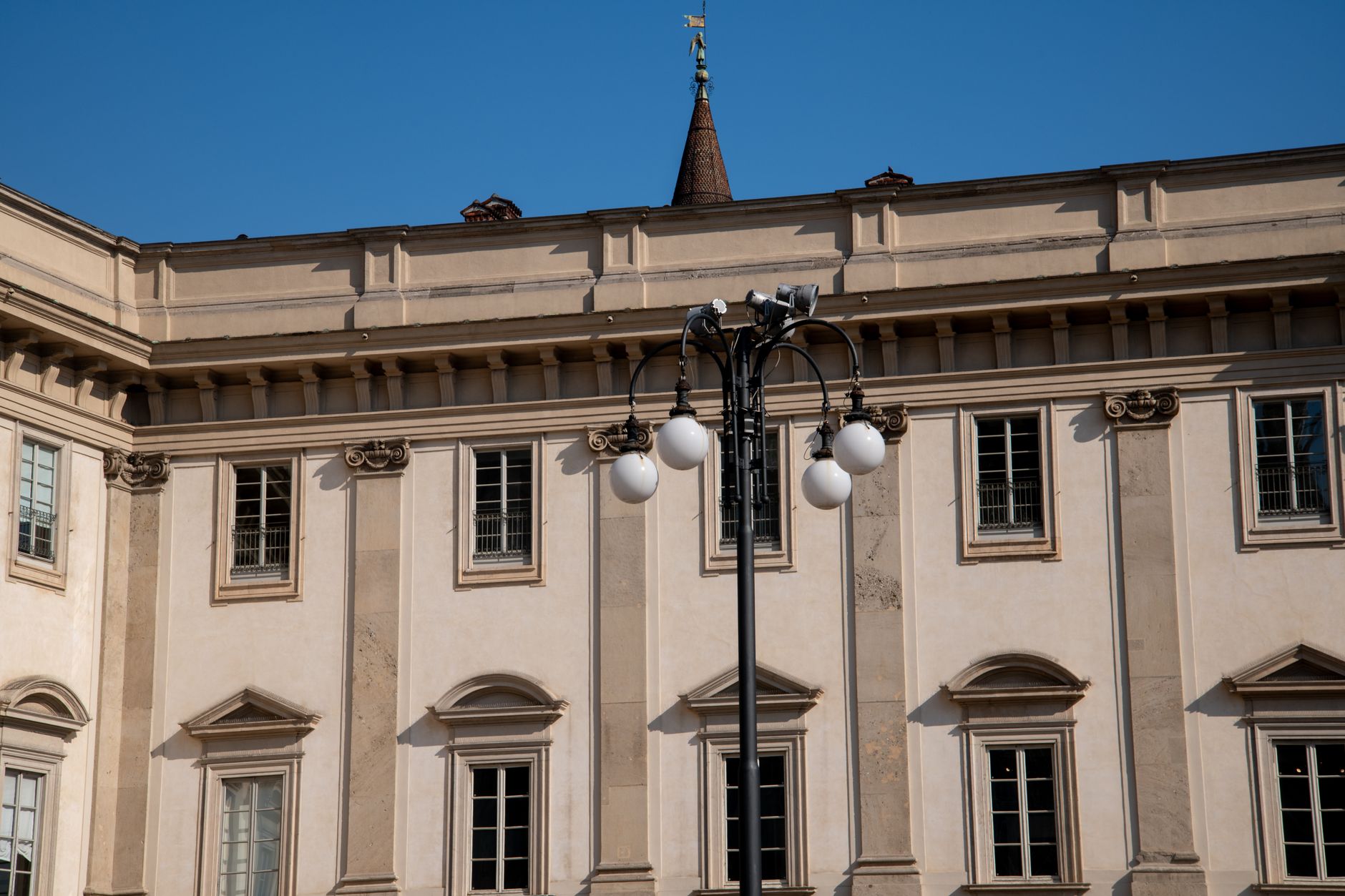
Milan's relationship with artificial intelligence reveals a city fundamentally different from its American counterparts. While Silicon Valley chases raw computational power and venture capital scale, the Lombard capital is building an AI ecosystem rooted in aesthetic intelligence, supply-chain optimization, and the peculiar demands of Europe's luxury and industrial sectors.
The distinction starts with geography. Along Corso Como and in the repurposed industrial spaces of Zona Tortona, startups aren't merely coding algorithms—they're solving problems for fashion houses, furniture manufacturers, and automotive suppliers that have called this region home for decades. Companies like those clustered around the Politecnico di Milano campus are developing AI systems that understand fabric quality, predict fabric trends from social sentiment, and optimize production schedules across thousands of supplier networks. This isn't theoretical; it's rooted in €180 billion annually flowing through Lombardy's manufacturing sector.
The numbers tell the story. Milan hosts roughly 850 active AI-focused companies as of mid-2026, a 34% increase from 2023. Yet the median funding round here sits at €2.1 million—substantially lower than Silicon Valley's €8.7 million average. This constraint breeds a different animal: lean, focused teams solving incremental but valuable problems rather than moonshot ventures requiring $100 million Series A rounds.
What truly distinguishes Milan globally is its integration with Europe's regulatory ecosystem. While American AI firms often treat compliance as afterthought, Milan-based teams are building AI Governance by Design from inception. The EU AI Act's tiered risk framework has become not a burden but a competitive advantage—these companies can sell across the bloc with confidence, while American competitors face the expensive prospect of retrofitting their systems.
The venue ecosystem reinforces this. Places like BASE Milano and the Milan Innovation District in Porta Nuova create spaces where design thinking meets machine learning. Venture capitalists from across Europe increasingly headquarter their AI funds here, recognizing that the intersection of Italian craftsmanship and computational intelligence represents the future of high-value manufacturing.
Perhaps most tellingly, Milan attracts a different founder profile. Rather than 25-year-old Stanford dropouts chasing unicorn status, Milan draws experienced operators—former supply-chain directors, design technologists, and manufacturing engineers—who understand their problem domains intimately. They're less interested in disruption theater and more focused on capturing the €50 billion annual value trapped in inefficient logistics and design processes across Europe's premium sectors.
The city isn't trying to become Silicon Valley. It's becoming something harder to replicate: a place where artificial intelligence serves the world's most demanding, most profitable industries.
This article was compiled by AI and screened before publishing. See our editorial standards.
How does this story make you feel?
Spread the word
About this article
Published by The Daily Milan
Daily brief
Free, in your inbox before 7am. Weekdays.
More in tech


