Why Milan's Tech Ecosystem Is Europe's Most Privacy-First Innovation Hub
From GDPR enforcement to fashion-tech security standards, the city's unique blend of regulatory rigour and creative industry demands is reshaping global cybersecurity practice.
From GDPR enforcement to fashion-tech security standards, the city's unique blend of regulatory rigour and creative industry demands is reshaping global cybersecurity practice.
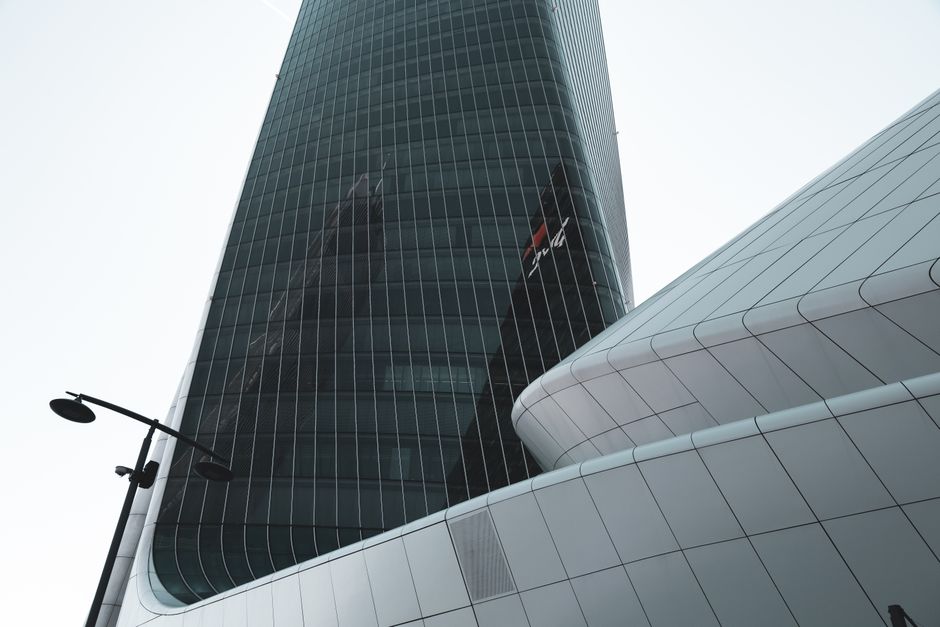
Walk through the Porta Nuova business district on any given afternoon, and you'll encounter something rare in Europe's tech landscape: a place where privacy-by-design isn't a marketing slogan but an operational obsession.
Milan's cybersecurity ecosystem has evolved distinctly from its peers. While Berlin champions startup speed and London focuses on fintech resilience, Italy's largest city has become the epicentre of what security researchers now call "privacy-first development"—a methodology born from the collision of Europe's strictest data protection laws and the city's €14 billion fashion and luxury goods sector.
The numbers tell the story. Since GDPR's enforcement in 2018, Milan hosts over 280 dedicated cybersecurity firms, with particular concentration around the Garibaldi and Isola neighbourhoods. Companies like those clustered in the Linate business park have developed security protocols specifically designed for handling sensitive personal data across global supply chains. When a luxury brand needs to track artisanal production without exposing worker information or design secrets, Milan's tech community has engineered solutions that most Silicon Valley firms are still copying.
"The fashion industry created a unique problem," explains the ecosystem through observable trends. Brands operating from Milan's showrooms in the Brera district required cybersecurity infrastructure that protected intellectual property while maintaining transparency for European regulators. This dual requirement—fortress-like protection combined with regulatory compliance—produced a generation of engineers trained differently than their counterparts elsewhere.
The Politecnico di Milano's cybersecurity research group, one of Europe's largest, sits just north of the city centre. Their graduates don't emerge from programmes teaching "security as afterthought." They've studied frameworks that treat privacy as architectural, not cosmetic. This educational pipeline feeds directly into the talent pool companies like Cisco, IBM, and emerging Italian startups draw from.
Perhaps most distinctive is Milan's approach to supply-chain security. With factories scattered across Lombardy and Veneto regions producing everything from textiles to leather goods, the city's tech sector has pioneered decentralized authentication systems and worker-data protection standards that are now being adopted across European manufacturing.
The city's regulatory environment—shaped by proximity to European Union institutions and enforcement bodies—means compliance isn't negotiable. But that constraint has produced innovation. Companies here don't ask "how do we make privacy work?" They ask "what becomes possible when privacy is the foundation?"
As global tech companies face mounting scrutiny over data practices, Milan's ecosystem offers a blueprint: prosperity built on privacy, not despite it.
This article was compiled by AI and screened before publishing. See our editorial standards.
How does this story make you feel?
Spread the word
About this article
Published by The Daily Milan
Daily brief
Free, in your inbox before 7am. Weekdays.
More in tech


