Milan's Green Tech Boom Masks Labour and Ethical Pitfalls
As the city races to meet EU climate targets, questions loom over supply chains, worker protections and who truly benefits from the sustainability revolution.
As the city races to meet EU climate targets, questions loom over supply chains, worker protections and who truly benefits from the sustainability revolution.
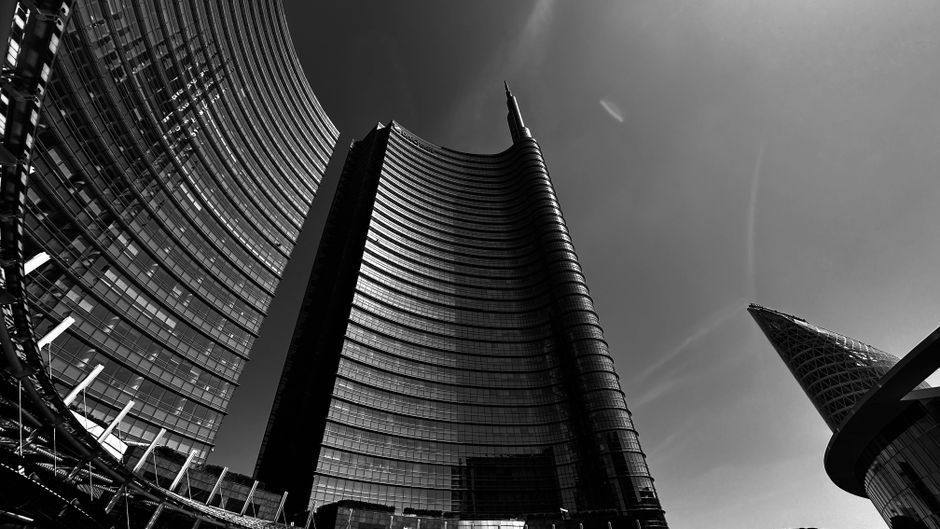
Milan's transformation into a European clean energy hub has been swift and visible. Solar panels now crown residential blocks in Navigli, while battery recycling startups have clustered around the Porta Romana district, and the city council has pledged to achieve carbon neutrality by 2035—five years ahead of the EU deadline. Yet beneath the gleaming sustainability narrative, uncomfortable questions persist about who bears the costs of Milan's green ambitions.
The stakes are material. Italy's green tech sector is projected to grow 12% annually through 2030, with Milan accounting for roughly 40% of national venture capital in renewable startups. Investment firms along Via Montenapoleone and in the Brera area have channelled over €2.3 billion into local clean energy ventures in the past three years. The economic logic is compelling. But experts warn that the rush to scale sustainable technologies risks repeating old patterns of exploitation.
Consider battery production. Lithium extraction in South America and cobalt mining in the Democratic Republic of Congo—essential for Milan's ambitions to electrify its transport network—have documented labour and environmental consequences that remain largely invisible to consumers charging electric vehicles at stations throughout the city. A 2025 audit by Milan-based NGO Fondazione Pubblicità Progresso found that 68% of local clean tech firms lack transparent supply chain certification.
Water scarcity poses another ethical minefield. Hydrogen electrolysis facilities, several planned for the Lombardy region, consume enormous volumes of water. As drought pressures intensify across northern Italy, critics question whether manufacturing green fuel justifies straining local aquifers that already face strain from agricultural demand.
Then there are questions of access and equity. Solar installation subsidies, while generous, favour property-owning middle-class residents in districts like Magenta and Sant'Ambrogio over renters in outer neighbourhoods. Affordable housing advocates have noted that green gentrification—rising property values driven by sustainability improvements—risks displacing vulnerable communities.
The tech community itself is fractured. During a May panel at BASE Milano in the Zona Tortona, venture capitalists touted ethical frameworks while social entrepreneurs questioned whether voluntary corporate commitments could substitute for regulation. Without mandatory environmental and labour audits, they argued, Milan risks simply exporting its moral obligations.
The city's clean energy ambitions are neither futile nor unwelcome. But stakeholders from city hall to the Politecnico agree: sustainability without accountability isn't progress. It's merely greenwashing at scale.
This article was compiled by AI and screened before publishing. See our editorial standards.
How does this story make you feel?
Spread the word
About this article
Published by The Daily Milan
Daily brief
Free, in your inbox before 7am. Weekdays.
More in tech


