Milan's AI Gold Rush: Inside the Startup Surge Reshaping Navigli and Beyond
As generative AI tools mature, the city's tech entrepreneurs are racing to build the next generation of enterprise software—and investors are watching closely.
As generative AI tools mature, the city's tech entrepreneurs are racing to build the next generation of enterprise software—and investors are watching closely.
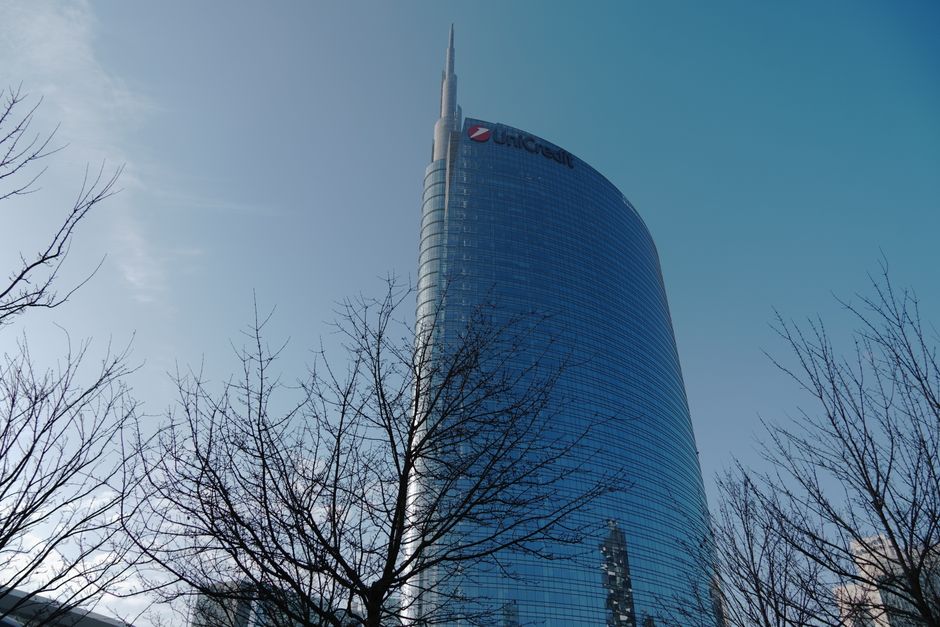
Walk through the cobblestone streets of Navigli on any Tuesday morning and you'll spot them: young founders hunched over espressos in converted warehouse offices, laptops glowing with open terminals and ChatGPT tabs. Milan's artificial intelligence startup ecosystem has shifted into overdrive during the first half of 2026, with venture capital flowing into ventures that seemed speculative just eighteen months ago.
The shift is quantifiable. According to data compiled by Milan's Chamber of Commerce, AI-focused startups registered in the city have grown 47 percent year-over-year, with particular concentration in the Isola neighbourhood and along Via Torino near Piazza del Duomo. More tellingly, three major European VC firms—including one Copenhagen-based fund managing €320 million—have opened satellite offices within the Porta Nuova district specifically to track Milan-based founders building AI-powered tools for manufacturing, logistics, and design.
What's driving the momentum? Many point to the maturation of open-source large language models and the democratization of cloud computing. Unlike the crypto boom of previous years, today's entrepreneurs are solving concrete problems. A startup in Lambrate is using vision AI to automate quality control in textile production. Another, based near Central Station, has built a predictive tool for fashion retailers to optimize inventory across Europe. These aren't moonshots; they're pragmatic applications of technology that Italian industry has needed for years.
"We're seeing founders who previously worked in fashion, automotive, and luxury goods recognizing that AI isn't a separate sector—it's a force multiplier for existing businesses," explains one recurring observer of Milan's scene. The Politecnico di Milano's innovation hub continues to serve as an incubator, while co-working spaces like Base Milano and OpenSpace have expanded their AI-focused programming to meet demand.
The financial picture remains healthy. Early-stage funding rounds for Milan-based AI startups averaged €1.8 million in the first quarter of 2026, up from €950,000 two years prior. Salaries for AI engineers and machine learning specialists in the city now hover around €65,000 to €85,000 annually—a 35 percent increase since 2024—signalling both opportunity and talent competition.
Challenges persist. Brain drain toward Silicon Valley and London remains a concern, and Italy's regulatory environment still lags peers in supporting deep-tech ventures. Yet for the moment, Milan's combination of industrial heritage, design sensibility, and newfound AI appetite is creating something worth watching: a city where old manufacturing expertise meets cutting-edge software.
This article was compiled by AI and screened before publishing. See our editorial standards.
How does this story make you feel?
Spread the word
About this article
Published by The Daily Milan
Daily brief
Free, in your inbox before 7am. Weekdays.
More in tech


