Milan's Tech Startups Are Reshaping the Coworking Map: and Ditching Traditional Offices
A shift toward hybrid flexibility is forcing the city's innovation hubs to evolve faster than anyone predicted.
A shift toward hybrid flexibility is forcing the city's innovation hubs to evolve faster than anyone predicted.
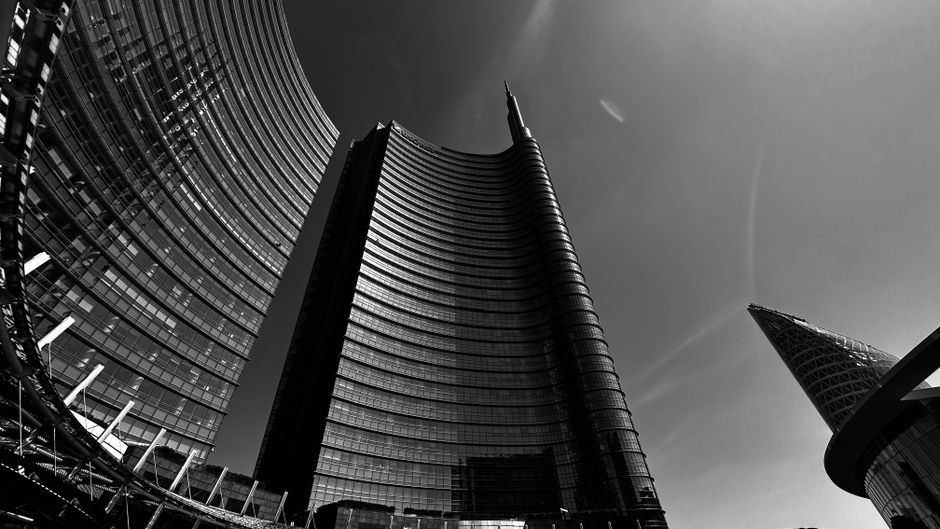
Walk through Porta Nuova these days and you'll notice something has shifted. The gleaming office towers that once symbolized Milan's corporate identity are increasingly quieter on Mondays and Fridays. Instead, the real energy is concentrated in a new generation of coworking and hybrid spaces designed not for compliance, but for collaboration.
The numbers tell the story. Over the past 18 months, Milan's coworking market has grown by approximately 23%, with spaces like those clustered around Navigli and the emerging tech corridor near Centrale station adapting their models to capture the startup crowd that refuses to return to traditional 9-to-5 setups. Major players have expanded their footprints, but it's the smaller, specialized operators that are capturing the imagination of the city's 2,400-plus active startups.
"We're seeing founders who spent two years remote-first demand flexibility in their physical infrastructure," explains the landscape of newer venues launching across Milano. A typical hot-desk in premium zones like Brera now runs €350-400 monthly, compared to €450-550 for dedicated desks—pricing that reflects competition and a fundamental recalibration of what startups expect to pay.
The shift has concrete implications. Companies previously anchored in expensive Corso Como office leases are fragmenting into distributed teams, with quarterly all-hands meetings held at venues rented ad-hoc. This is forcing traditional landlords to reimagine their offerings. Several Class A office buildings in the Garibaldi-Repubblica area are now actively converting upper floors into flexible workspace, recognizing that the old lease-for-five-years model is obsolete.
But there's friction. Milan's best-connected startup clusters—particularly those gravitating toward Zona Tortona and the Lambrate design district—still value proximity. The serendipitous hallway conversation, the spontaneous investor coffee at a shared kitchen table, remains potent. What's changing is frequency. Teams come in 2-3 days weekly rather than daily, making the economics of traditional offices untenable.
Real estate analysts expect this recalibration to accelerate through 2027. The winners won't be the largest chains offering standardized desks, but rather operators who understand Milan's particular ecosystem: spaces that combine technical infrastructure, networking opportunities, and the intangible ingredient that still draws founders north—proximity to other ambitious people building something new.
For Milan's tech scene, the future of work isn't remote, and it isn't office-bound. It's radically flexible, and the city's coworking operators are racing to define what that actually means.
This article was compiled by AI and screened before publishing. See our editorial standards.
How does this story make you feel?
Spread the word
About this article
Published by The Daily Milan
Daily brief
Free, in your inbox before 7am. Weekdays.
More in tech


