Milan's Startup Dream Under Scrutiny: The Promise and Peril of Venture Capital's New Gold Rush
As Milan's tech ecosystem attracts billions in investment, founders and ethicists warn that speed and profit are outpacing accountability.
As Milan's tech ecosystem attracts billions in investment, founders and ethicists warn that speed and profit are outpacing accountability.
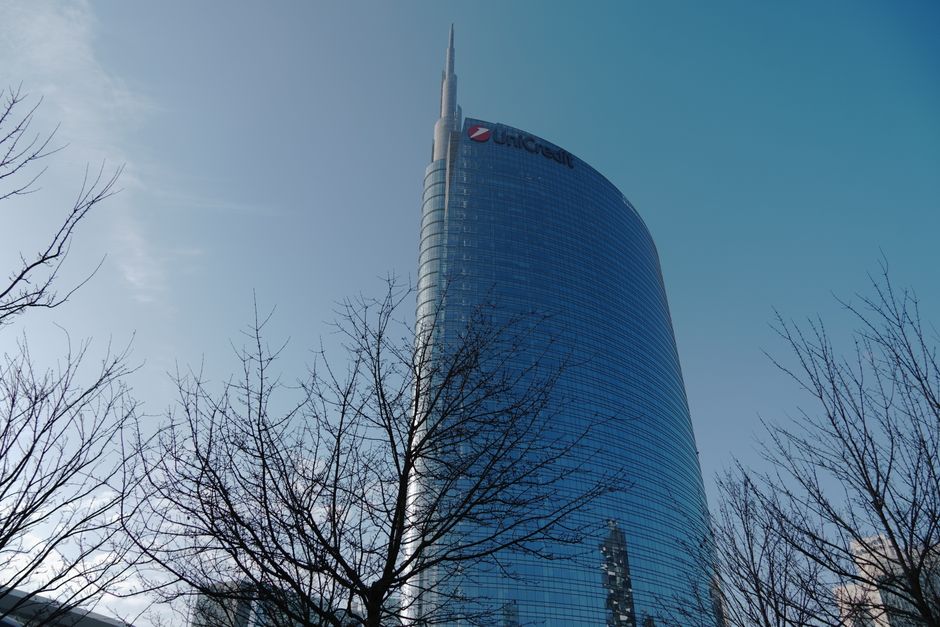
Walk through the converted warehouses of Navigli or the gleaming office parks near Porta Nuova, and you'll see the transformation: Milan has become Italy's undisputed startup capital, drawing venture capital at unprecedented rates. Yet beneath the optimism of pitch competitions and unicorn valuations, a more complicated story is emerging-one of misaligned incentives, environmental shortcuts, and the human cost of moving fast.
The numbers are undeniably impressive. Milan-based startups raised €1.8 billion in 2025, nearly double the figure from three years prior. Prestigious accelerators like H-Farm's Milan hub and the BASE innovation hub in the Lambrate neighbourhood host dozens of ambitious teams monthly. But venture capitalists' insistence on rapid scaling and quarterly growth targets is creating ethical blind spots, say researchers at Università Bocconi's Centre for Responsible Business.
Consider the labour question. A 2024 survey of 150 Milan-based tech startups found that 40 percent offered equity compensation while keeping salaries 20-30 percent below market rates for comparable roles in established firms. Young developers flock to Corso Como and Via Torino's trendy offices, often working 60-hour weeks with promises of future wealth that rarely materialise. Many startups fail before those options vest.
Environmental responsibility presents another tension. Sustainable-tech startups-a growing segment around the Isola neighbourhood's tech cluster-sometimes prioritise investor returns over the very environmental goals they espouse. One Milan-based logistics app, backed by prominent VCs, expanded operations across Europe while outsourcing its carbon accounting to cut reported emissions on paper.
The diversity question stings too. Women represent just 15 percent of Milan startup founders, and investment flowing to female-founded companies remains stuck at 6 percent-far below European averages. Venture capital, by its structure, favours networks and patterns already established, often excluding underrepresented groups from the beginning.
Yet dismissing Milan's ecosystem misses the genuine progress. Startups addressing affordable housing, digital accessibility, and renewable energy are attracting serious backing. The city's talent pool-fed by world-class universities and international migration-remains formidable.
The challenge facing Milan's tech community is whether it can mature beyond the move-fast-break-things ethos. Thoughtful governance frameworks, investor accountability, and founder transparency are no longer luxuries-they're prerequisites for sustainable growth. As the region competes globally for talent and capital, ethical foundations may prove the most durable competitive advantage.
This article was compiled by AI and screened before publishing. See our editorial standards.
How does this story make you feel?
Spread the word
About this article
Published by The Daily Milan
Daily brief
Free, in your inbox before 7am. Weekdays.
More in tech


