Milan's Fintech Gold Rush: Where Innovation Meets Ethical Peril
As the city's startup ecosystem races to reshape banking and payments, founders and regulators grapple with the darker side of disruption.
As the city's startup ecosystem races to reshape banking and payments, founders and regulators grapple with the darker side of disruption.
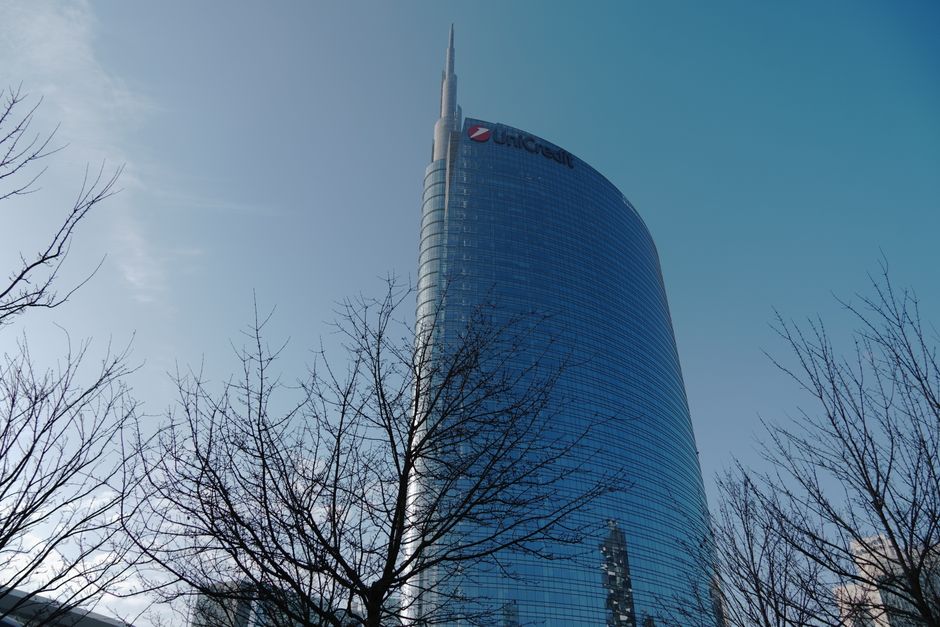
Walk through the renovated lofts of Navigli or the co-working spaces dotting Porta Nuova, and you'll encounter the mythology of fintech salvation: faster payments, frictionless credit, financial inclusion for the underbanked. Milan's financial innovation sector has exploded over the past three years, with venture capital flowing into homegrown startups at rates unseen since the e-commerce boom. Yet behind the polished pitch decks and the promise of democratised finance lurks a messier reality.
Italy's fragmented banking sector has long made the country fertile ground for fintech disruption. According to the latest Banca d'Italia reports, over 60% of Italian adults still rely primarily on traditional banking services, leaving a substantial market gap. Milan-based fintechs have seized this opportunity, attracting an estimated €340 million in venture funding last year alone. But rapid growth has outpaced governance. Recent regulatory scrutiny from CONSOB—Italy's financial watchdog—has exposed lapses in consumer protection frameworks, particularly among lending platforms operating from Milan's tech hubs.
The ethical questions are mounting. Several platforms now operating from offices near the Duomo have faced criticism over algorithmic bias in creditworthiness assessments, disproportionately disadvantaging migrant populations and southern Italian borrowers. Data privacy concerns persist despite GDPR compliance claims. Meanwhile, the gamification of savings and investment features—normalised across many Milan-based apps—mirrors tactics used by gambling operators, raising concerns about financial literacy and consumer vulnerability.
There's also the matter of systemic risk. As traditional banks partner with or acquire fintech startups, the boundary between regulated and shadow finance blurs. A 2025 ECB stress test flagged concentration risks among Milan's largest fintech lending aggregators, which now manage portfolios exceeding €2.8 billion in consumer debt.
Industry leaders operating from Isola and Brera insist they're self-correcting. New compliance frameworks and ethical AI initiatives are being rolled out. Some platforms have voluntarily adopted stricter lending caps and enhanced KYC protocols. Yet critics argue the pace remains glacial, and profit motives often eclipse precaution.
The tension is real: Milan needs fintech innovation to modernise its financial infrastructure and compete globally. But the city's regulators, consumer advocates, and entrepreneurs must confront uncomfortable truths. Disruption without safeguards isn't progress—it's risk redistribution, often landing heaviest on those least able to absorb it. As Milan positions itself as Europe's fintech hub, the question isn't whether innovation will flourish. It's whether it will flourish responsibly.
This article was compiled by AI and screened before publishing. See our editorial standards.
How does this story make you feel?
Spread the word
About this article
Published by The Daily Milan
Daily brief
Free, in your inbox before 7am. Weekdays.
More in tech


