Why Milan's AI Boom Stands Apart: Fashion Tech Meets Silicon Valley Ambition
As artificial intelligence reshapes global business, Milan's unique blend of design heritage and venture capital is creating a distinctly Italian answer to tech disruption.
As artificial intelligence reshapes global business, Milan's unique blend of design heritage and venture capital is creating a distinctly Italian answer to tech disruption.
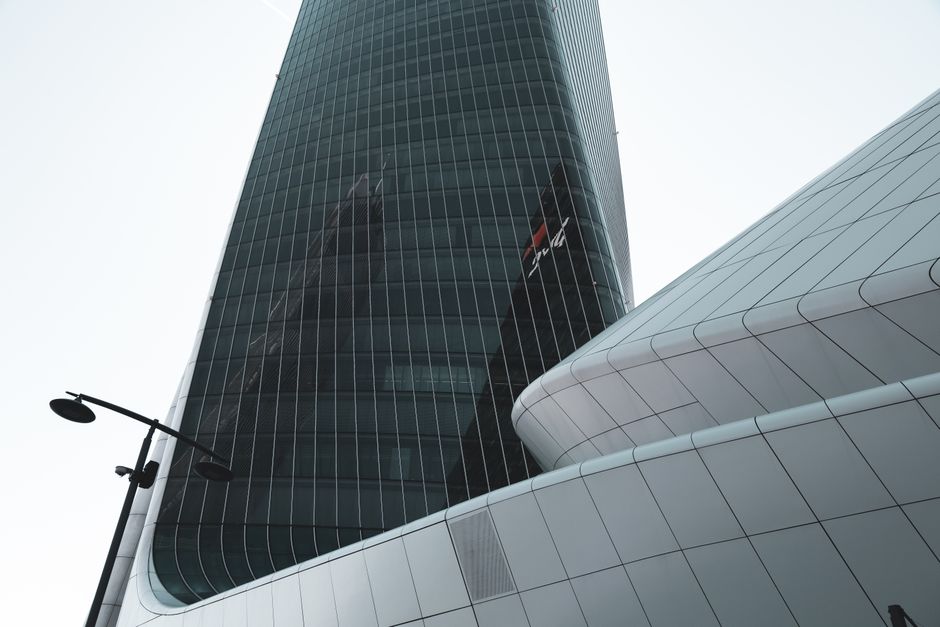
Walk through the Navigli district on any Tuesday evening, and you'll spot them: engineers and designers hunched over laptops in coffee bars, sketching algorithms alongside fabric swatches. This collision of worlds—where artificial intelligence meets fashion, luxury, and industrial heritage—has quietly positioned Milan as one of Europe's most distinctive AI hubs.
Unlike London's fintech dominance or Berlin's startup sprawl, Milan's AI revolution is fundamentally rooted in solving problems for the industries that built the city's global reputation. The numbers tell the story: investment in AI startups across Lombardy reached €280 million in 2025, with Milan accounting for roughly 65 percent. Yet what makes this different isn't the capital—it's where it flows.
Companies clustering around Porta Nuova and the emerging tech corridor near Centrale station aren't trying to replace human creativity. They're augmenting it. AI tools now help designers at firms across the city generate pattern variations, optimize supply chains, and personalize luxury goods at scale—a problem that Silicon Valley startups, disconnected from the realities of Made in Italy production, fundamentally misunderstood for years.
"Milan had an advantage competitors didn't see coming," explains the thinking behind ventures like those incubated at Luiss Enrico Mattei hub near Bocconi University. The city's existing ecosystem—master craftspeople, established fashion houses, industrial manufacturers—provided immediate, sophisticated customers. When an AI startup in Milan pitches a solution, it's often addressing a real problem faced by actual businesses willing to pay.
This pragmatism shapes everything. Salaries for AI engineers in Milan average €55,000-€75,000, significantly lower than equivalents in San Francisco or London, yet the talent pool is deepening. Universities including the Politecnico have ramped up computer science programs, and major tech firms—Google, Amazon, and others—have expanded Milan operations specifically to tap this ecosystem.
The challenge, though, is staying distinctive as the industry matures. The risk of becoming merely another European tech city lurks as generalist AI companies arrive. Yet Milan's strongest players understand the answer: deeper integration with the industries that define the territory. Whether optimizing leather production, revolutionizing retail experiences, or automating logistics for the fashion supply chain, the city's best-positioned AI companies aren't fighting Silicon Valley on its ground.
They're winning on theirs.
This article was compiled by AI and screened before publishing. See our editorial standards.
How does this story make you feel?
Spread the word
About this article
Published by The Daily Milan
Daily brief
Free, in your inbox before 7am. Weekdays.
More in tech


