The Small Moves That Count: How Milan's Seniors Stay Mobile Through Daily Rituals
Local wellness coaches reveal the unglamorous, utterly effective habits that keep older Milanesi moving—from morning Navigli walks to aperitivo-hour stair climbing.
Local wellness coaches reveal the unglamorous, utterly effective habits that keep older Milanesi moving—from morning Navigli walks to aperitivo-hour stair climbing.
Mobility isn't built in gyms. In Milan, where the healthcare system strongly emphasises preventive ageing, it's built into the rhythm of daily life—a morning coffee ritual, a weekly cycling route, the deliberate choice of stairs over lifts. Senior wellness experts working across the city's Azienda Socio Sanitaria Territoriale (ASST) systems have identified what works, and it's remarkably unglamorous.
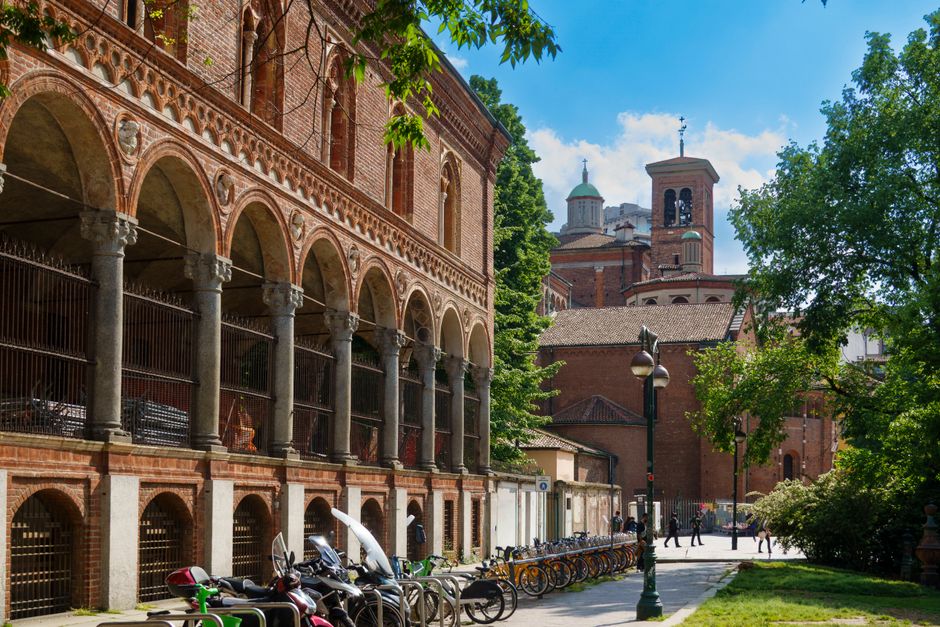
The most consistent habit among active older Milanesi begins before breakfast. A 30-minute walk—often along the Navigli towards the Darsena, or through Sempione Park heading towards Parco Sempione's tree-lined avenues—activates the cardiovascular system and lubricates joints without the impact stress of running. Local physiotherapy centres near Porta Romana report that clients who establish morning walking routines before 8am show measurably better hip and knee mobility six months later compared to sporadic exercisers.
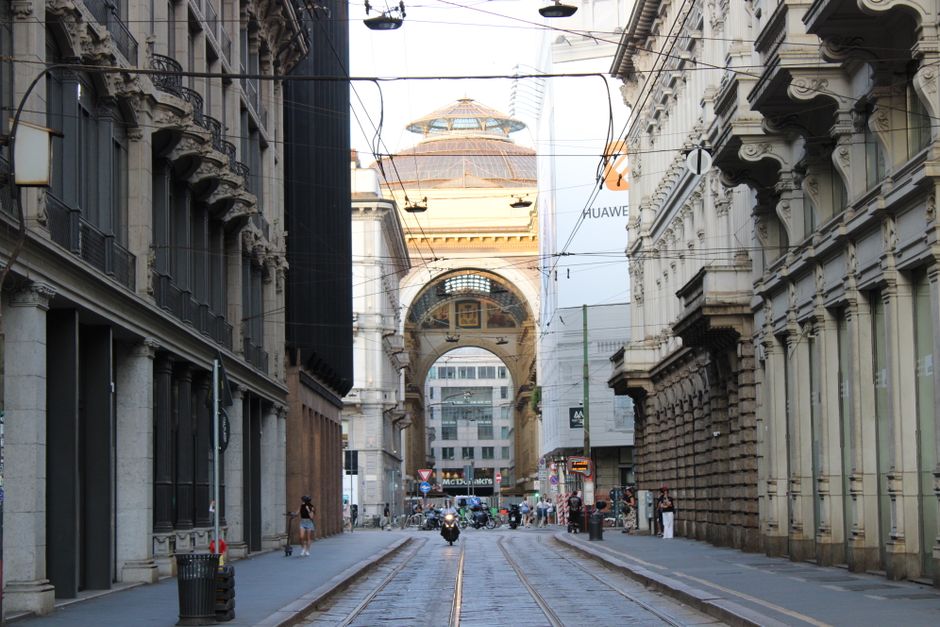
The second pillar is what locals call "invisible climbing." Rather than avoiding stairs, successful agers make them part of daily navigation. Taking stairs at Centrale station, the Duomo precinct, or apartment buildings in neighbourhoods like Brera and Navigli creates consistent, low-level resistance training. One physical therapist working near Via Torino notes that seniors who deliberately choose stairs report fewer falls and greater confidence navigating uneven cobblestones—essential in Milan's historic districts.
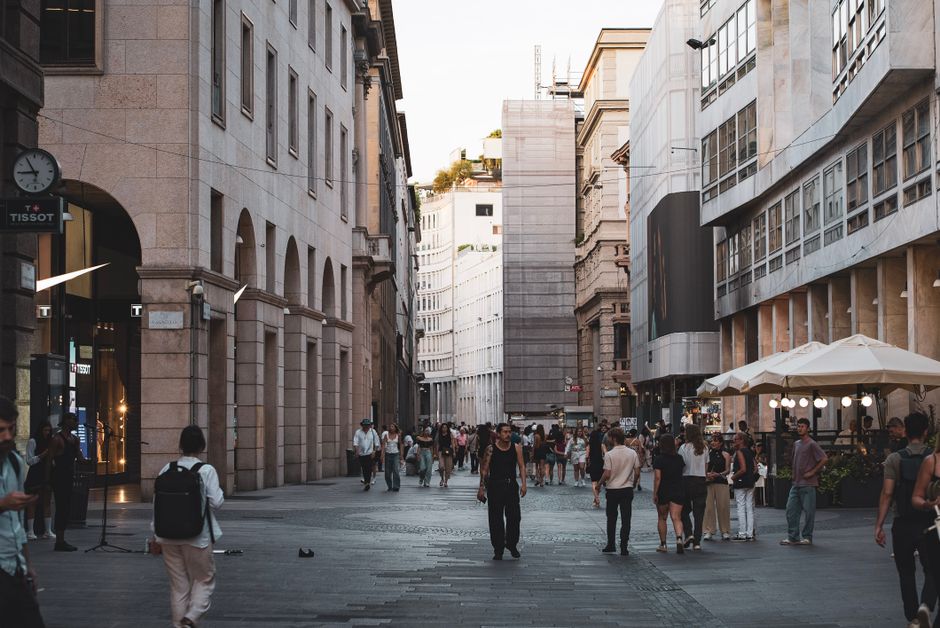
Social structure matters profoundly. The aperitivo culture, traditionally an early-evening ritual, creates a built-in reason to leave home and often walk to a bar. Regulars at venues across the Navigli and Quadrilatero neighbourhood report that the anticipation of meeting friends for a 6pm Spritz or Negroni serves as powerful motivation for movement. This isn't accidental wellness—it's cultural scaffolding.
Cycling on dedicated lanes along the Navigli and through Parco Lambro offers low-impact joint movement. Milan's expanding bike infrastructure—over 300km of cycle paths as of 2025—means older residents can maintain cardiovascular fitness without the wear of pavement running.
The pattern is clear: mobility isn't maintained through heroic gym sessions, but through small, repeatable actions embedded in social and cultural life. A morning walk. Deliberate stair use. A weekly cycling outing. An evening ritual that requires leaving home. For Milan's seniors, staying active means treating movement not as exercise, but as the default mode of living.
This article was compiled by AI from the sources linked above and screened before publishing. See our editorial standards.
How does this story make you feel?
Spread the word
About this article
Published by The Daily Milan
Daily brief
Free, in your inbox before 7am. Weekdays.
More in Wellness