How Milan's Everyday Eaters Built Better Habits Without Overthinking It
From market runs to aperitivo wisdom, locals share the unglamorous routines that actually stick.
From market runs to aperitivo wisdom, locals share the unglamorous routines that actually stick.
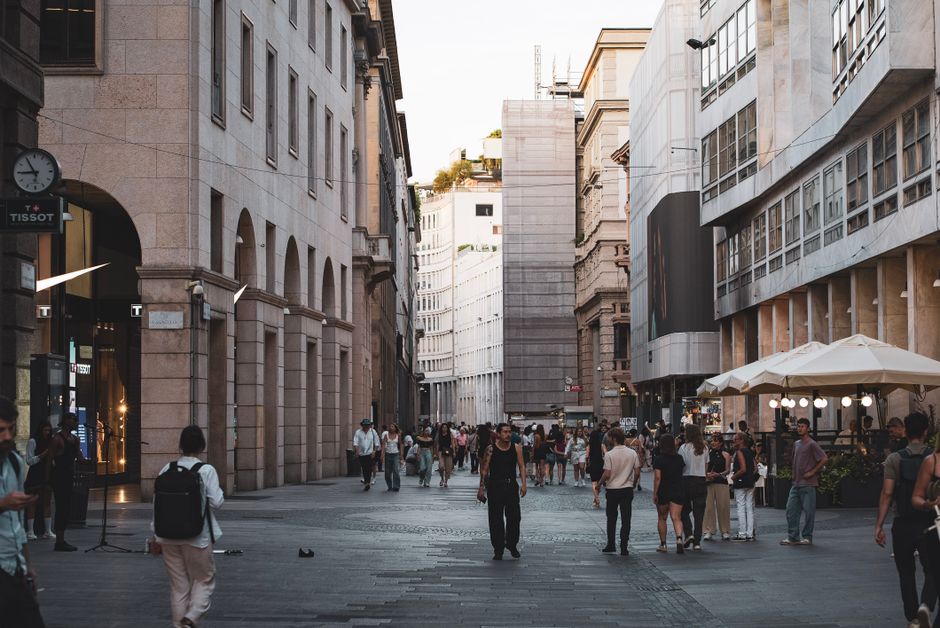
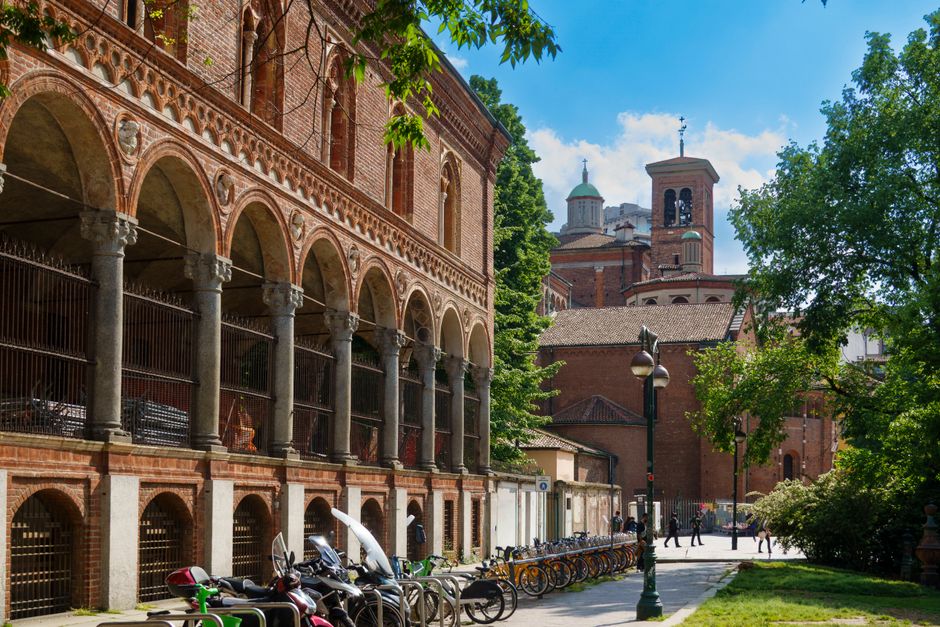
Walk through Viale Papiniano on a Saturday morning and you'll witness Milan's most reliable wellness ritual: the weekly market shop. It's not a trend or a detox reset. It's simply how thousands of Milanese maintain steady eating habits, filling their bags with seasonal produce at prices that make supermarket shopping feel unnecessary. A kilogram of asparagus runs about €3–4 in spring; tomatoes cost less than €2 per kilo in summer. The discipline comes naturally when fresh ingredients are this accessible and affordable.
The habit works because it's built into the fabric of daily life here. Rather than restrictive meal planning, locals describe it as showing up consistently. "You go to the market, you see what's good, you cook it," is how nutrition researchers studying Mediterranean eating patterns in Northern Italy often hear it explained. This approach—reactive rather than prescriptive—removes the cognitive burden that derails most diet attempts elsewhere.
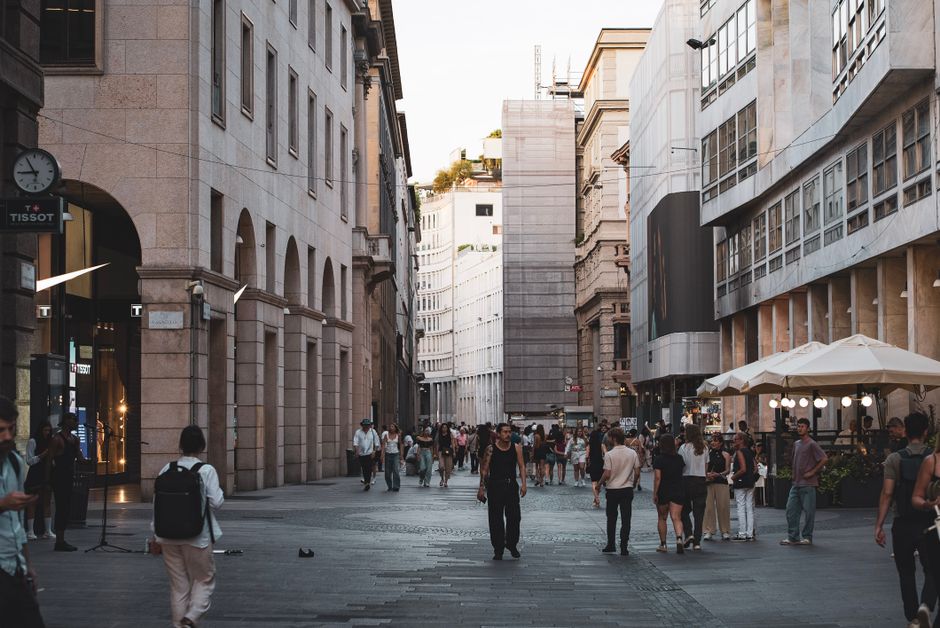
The aperitivo culture, often dismissed as indulgent, actually contains embedded eating wisdom. The social ritual around Navigli's bars or Brera's piazzas typically involves small plates: olives, cheese, bruschetta. Portion control happens almost accidentally because eating is about connection, not consumption. A €5–8 aperitivo with sparkling water or a spritz naturally limits calorie intake while satisfying the psychological need for social eating.
Cycling infrastructure matters more than most nutrition advice. The prevalence of Navigli cycling paths and Sempione Park routes means movement isn't segregated into "exercise time." Transportation becomes incidental activity. Research from Milan's public health department suggests residents who cycle regularly consume roughly 15% fewer processed foods, possibly because the accessibility of markets and local shops makes convenience food less convenient.
Workplace habits also differ. Many Milanese workers still prioritize a proper lunch break—often at home or a neighborhood trattoria—rather than eating at desks. This isn't wellness virtue signaling; it's a cultural norm that happens to support better digestion and more mindful eating patterns. Schools in central Milan districts report similar lunch integration, where children eat together rather than grabbing items between classes.
The pattern emerging across these neighborhoods is consistent: successful eating habits in Milan aren't born from restrictive rules or expensive supplements. They're sustained through accessibility (markets), social rituals (aperitivo), movement (cycling), and time (proper meal breaks). Locals didn't adopt these practices for wellness reasons; they stuck because they're woven into how the city operates.
For those looking to build similar routines, the lesson isn't to import Milan's habits wholesale. It's to identify what's already accessible and social in your own environment, then show up regularly.
This article was compiled by AI from the sources linked above and screened before publishing. See our editorial standards.
How does this story make you feel?
Spread the word
About this article
Published by The Daily Milan
Daily brief
Free, in your inbox before 7am. Weekdays.
More in Wellness