Mindfulness Classes Milan: Science-Backed Stress Relief
Discover how Milan's mindfulness movement uses neuroscience to reduce stress. Evidence-based meditation practices for Porta Nuova professionals and design workers.
Discover how Milan's mindfulness movement uses neuroscience to reduce stress. Evidence-based meditation practices for Porta Nuova professionals and design workers.
Milan's wellness culture has long centred on the aperitivo ritual and Sunday cycling routes through the Navigli. But over the past five years, a quieter revolution has taken hold: mindfulness and structured stress management, now backed by substantial neuroscientific evidence.
Recent neuroimaging studies from institutions across Italy and Europe have documented measurable changes in brain structure among regular meditation practitioners. Research published in major peer-reviewed journals shows that eight weeks of consistent mindfulness practice can reduce activity in the amygdala—the brain's threat-detection centre—by up to 25%. For Milan's high-pressure financial sector workers in the Porta Nuova district and design professionals in the Navigli, this translates to tangible reductions in cortisol, the stress hormone.
The science extends beyond brain imaging. A 2024 meta-analysis of over 8,000 participants found that mindfulness-based stress reduction (MBSR) produces clinical outcomes comparable to pharmaceutical interventions for generalised anxiety, with fewer side effects. Italy's robust public healthcare system now covers MBSR programmes in several Milanese hospitals, though waiting lists can stretch to four months.
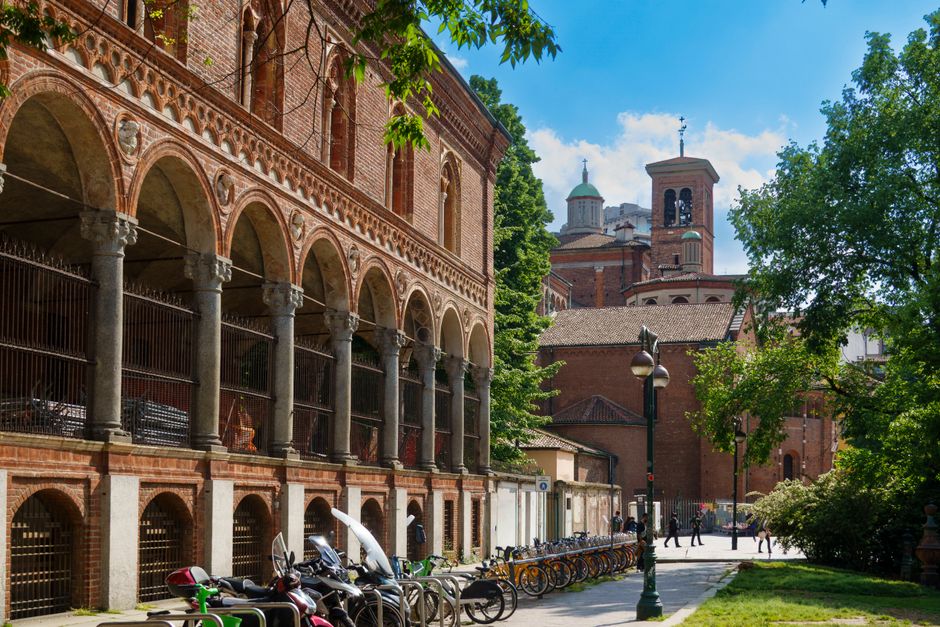
Local wellness centres have responded to this evidence. Facilities around Parco Sempione and the Brera neighbourhood now offer structured MBSR courses—typically eight weekly sessions lasting 2.5 hours, ranging from €120 to €180 per course through private providers, or free through the NHS where available. Walking meditation routes have become established features of Sempione Park, particularly along the tree-lined pathways near the Arco della Pace.
What makes mindfulness particularly relevant to Milan's lifestyle is its compatibility with existing social practices. Unlike restrictive wellness trends, mindfulness research shows benefits when integrated into daily routines—during your morning espresso, your commute on the MM1 line, or even during work breaks. Studies indicate that brief, frequent practice (10-15 minutes daily) produces comparable benefits to longer sessions, making it accessible for Milan's time-pressed professionals.
The neurochemical evidence is compelling: regular mindfulness practitioners show elevated levels of GABA and serotonin, neurotransmitters associated with calm and mood regulation. This isn't mysticism—it's measurable biochemistry supported by functional MRI scans and biomarker analysis.
Milan's aperitivo culture and this emerging mindfulness movement needn't conflict. The underlying science suggests that conscious, present-moment awareness—whether in meditation or during social connection—activates the same parasympathetic nervous system responses. For anyone navigating Milan's competitive pace, the research makes one thing clear: structured stress management isn't optional wellness theatre. It's evidence-based neurology.
This article was compiled by AI from the sources linked above and screened before publishing. See our editorial standards.
How does this story make you feel?
Spread the word
About this article
Published by The Daily Milan
Daily brief
Free, in your inbox before 7am. Weekdays.
More in Wellness