A beginner's guide to starting a meditation practice in Milan
Forget the app subscriptions and retreat packages — here is how Milanese newcomers to mindfulness can actually build a habit that sticks.
Forget the app subscriptions and retreat packages — here is how Milanese newcomers to mindfulness can actually build a habit that sticks.
More Milanese are sitting still on purpose. Enrolment in beginner meditation courses at studios across the city rose roughly 30 percent between 2023 and 2025, according to figures compiled by the Lombardy Wellness Operators Association, and waiting lists at several Navigli-area studios stretched into weeks by the spring of 2026. The question is no longer whether meditation works — a decade of peer-reviewed research settled that — but how to start without quitting by week three.
The timing matters. Hormonal health, chronic stress, and the anxiety that trails financial uncertainty have pushed preventive mental-health practices into mainstream conversation this year. The Italian national health service, the SSN, does not yet fund structured mindfulness programs the way some northern European systems do, which means Milanese beginners are largely self-directed. That makes a practical roadmap more useful than a philosophical one.
The single most common beginner mistake is conflating meditation with relaxation. They overlap, but they are not the same thing. Meditation is a deliberate training of attention; relaxation is a side effect. Knowing that distinction prevents the frustration of sitting down, failing to feel calm, and concluding the practice does not work.
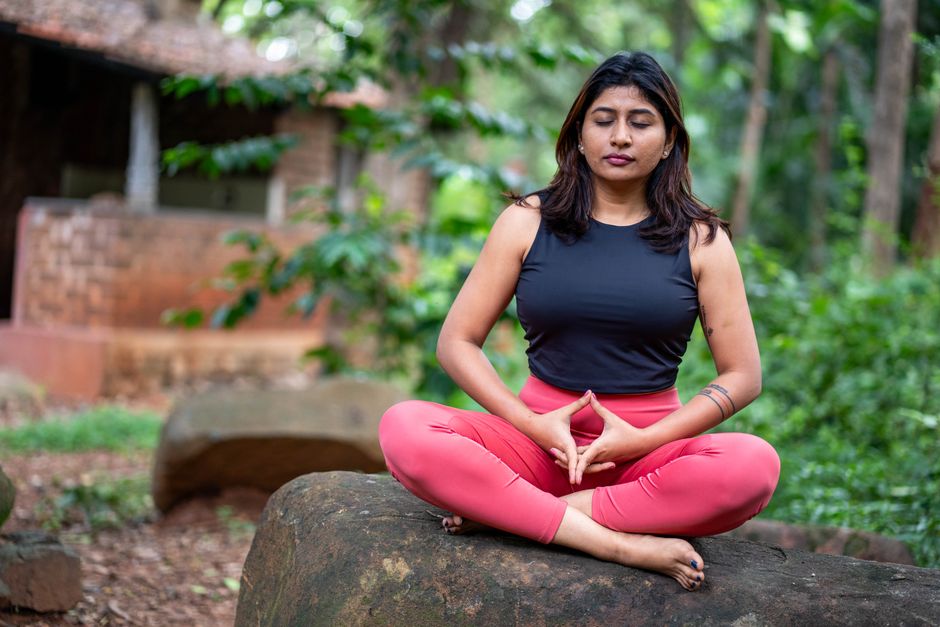
Start with five minutes, not twenty. Sit on a chair, spine upright but not rigid, feet flat on the floor. Focus on the physical sensation of breathing — the slight coolness at the nostrils on the inhale, the warmth on the exhale. When the mind wanders, which it will within about eight seconds, return to the breath without self-criticism. That return is the practice. Do this every morning for two weeks before adding time.
Milan has specific advantages here. The Fondazione Triulza, located inside the former Expo site at Cascina Triulza in the northwest of the city, runs affordable mindfulness introductory sessions aligned with its broader social-health mission; single sessions were priced at €12 as of June 2026. The Centro Yoga Kundalini Milano on Via Marghera, in the Chinatown-adjacent corridor near Piazzale Marengo, offers an eight-week beginners' program modelled loosely on the Mindfulness-Based Stress Reduction protocol developed by Jon Kabat-Zinn at the University of Massachusetts in 1979 — the same protocol now used in over 700 hospitals worldwide. The eight-week course there runs approximately €180 in total, cheaper than a single weekend retreat.
For those who prefer to stay outdoors, Sempione Park remains the most practical free option in the city. The area near the Arco della Pace, particularly on weekday mornings before 8 a.m., is quiet enough to sit for fifteen minutes on one of the stone benches without significant disturbance. Several informal groups meet there on Saturday mornings, though schedules shift seasonally.
A 2024 meta-analysis published in JAMA Internal Medicine reviewed 47 randomised controlled trials and found that mindfulness meditation produced moderate but consistent improvements in anxiety, depression, and pain — comparable in effect size to antidepressants for mild-to-moderate anxiety disorders, without the side effects. That is a meaningful finding. It is not a cure-all. Eight weeks of practice does not dissolve structural stress caused by a punishing commute on the M1 red line or a precarious rental contract in Porta Romana. It changes how the nervous system responds to that stress.
Consistency matters far more than duration. Research from University College London in 2022 found that habits form on average after 66 days of repetition — not the mythologised 21 days. Beginners who commit to ten minutes daily for ten weeks outperform those who attempt forty-five-minute sessions twice weekly.
Anyone dealing with diagnosed depression, PTSD, or significant trauma should speak with their medico di base — their SSN general practitioner — before starting an intensive program. Some mindfulness formats can temporarily amplify difficult emotions in clinical populations, and a doctor's input costs nothing under the Italian public health system.
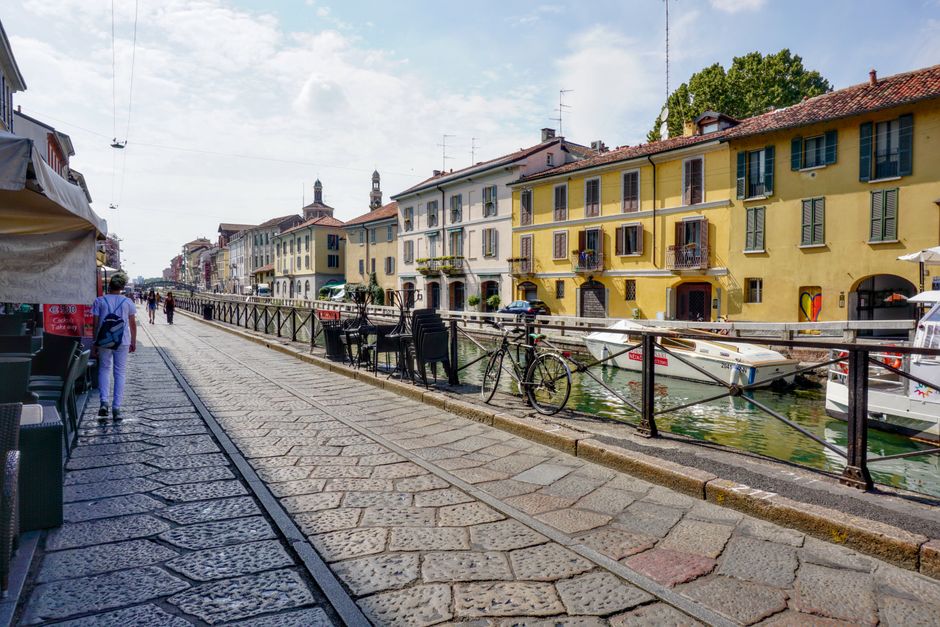
The aperitivo hour will still be there. The Navigli will still be busy at seven in the evening. Ten minutes at seven in the morning, eyes closed, spine straight, costs nothing except the willingness to sit with a restless mind long enough to notice it settle.
How does this story make you feel?
Spread the word
About this article
Published by The Daily Milan
Daily brief
Free, in your inbox before 7am. Weekdays.
More in Wellness